
Grojec: Hilltop Panoramas and Cultural Traces
Accommodation in Grojec
Grojec combines a hilly landscape with archaeological traces and cultural connections. Three topics are especially useful for getting your bearings: the wide-open views, Góra Grojecka, and the town’s cultural sites.
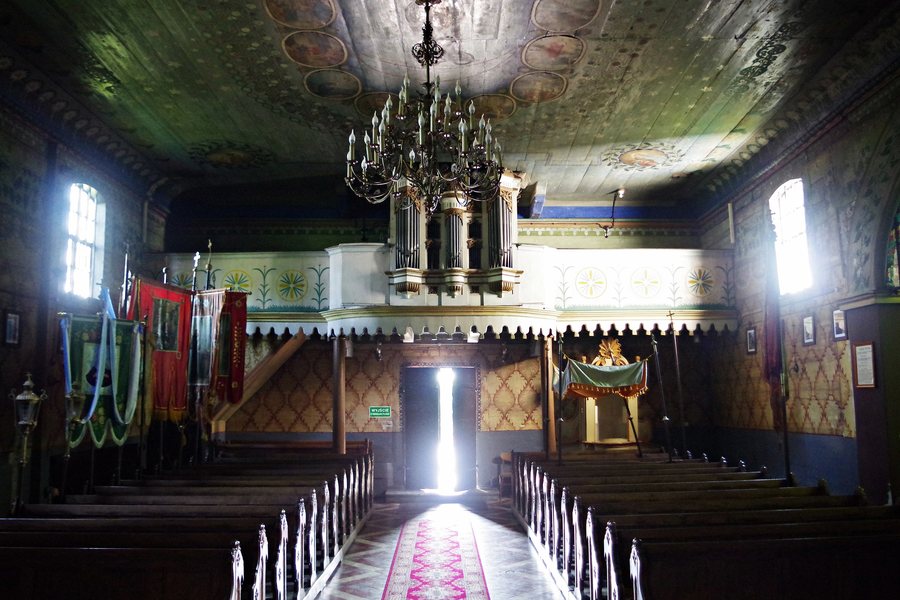 File:Grojec, Kościół św. Wawrzyńca w Grojcu ^.jpg
Photo: Jacek Daczyński via Wikimedia Commons, CC BY-SA 4.0
Quick Facts About Grojec
- The hilly surroundings offer wide-open views and panoramas.
- The outline of Beskid Mały can be seen from the surrounding area.
- Góra Grojecka is home to a Neolithic settlement of the Lengyel culture, at 270.3 m above sea level.
- Traces of a rampart from the Lusatian culture can be found at the summit.
- The Parish Church of St. Lawrence is one of the stops on the Wooden Architecture Route.
What Defines the Landscape of Grojec?
The hilly surroundings are a distinctive part of the town’s character, offering wide-open views and panoramas. The outline of Beskid Mały is also visible from the area around Grojec. Together, these details convey two aspects of the landscape: views across the rolling hills and the recognizable mountain silhouette.
If you’re choosing what to explore in Grojec based on your travel interests, the landscape is a good starting point for planning: you can compare it with the town’s archaeological and cultural character. This way, the focus is not only on individual sights, but also on whether you’re most interested in the landscape, early settlement, or cultural history.
What Archaeological Traces Can Be Found on Góra Grojecka?
Góra Grojecka is home to a Neolithic settlement of the Lengyel culture. Its elevation is given as 270.3 m above sea level. Traces of a rampart from the Lusatian culture can also be found at the summit. The two terms refer to different archaeological features: a settlement and the remains of a fortification.
This distinction helps put the site in context: the settlement and rampart are not simply two names for the same feature. For visitors interested in archaeology, Góra Grojecka offers several points of historical interest, without requiring the rampart to be dated.
What Cultural Connections Are Associated With Grojec?
Grojec and Łazy hosted national and international outdoor painting events.
Another cultural site is the Parish Church of St. Lawrence in Grojec, which is part of the Wooden Architecture Route. Separate from this is the historic park in the Grojec castle and park complex: it is the subject of an accessibility and restoration project and is listed in the heritage register of the Lesser Poland Voivodeship. The church route and the park project thus offer different perspectives on the town’s cultural heritage.
What Other Topics Are Part of the Wider Destination of Auschwitz?
In the wider destination of Auschwitz, the remains of Auschwitz I and Auschwitz II-Birkenau are inscribed on the World Heritage List. The Muzeum Zamek in Oświęcim presents the city’s history through a permanent exhibition, themed temporary exhibitions, and events. The Jewish Museum makes the Chewra Lomdei Misznajot Synagogue accessible to visitors and runs educational programs about Oświęcim’s Jewish community.
Explore More Destinations: Zator, Brzeszcze, Skidzin, Bielany, Nowa Wieś, Jawiszowice, Kęty, Łęki.
FAQ
What kind of landscape is Grojec known for?
The surroundings are hilly and offer wide-open views and panoramas. The outline of Beskid Mały can also be seen from there.
What archaeological traces can be found in Grojec?
Góra Grojecka is home to a Neolithic settlement of the Lengyel culture, at 270.3 m above sea level. Traces of a rampart from the Lusatian culture can also be found at the summit.
Is the Parish Church of St. Lawrence part of the Wooden Architecture Route?
Yes. The Parish Church of St. Lawrence in Grojec is one of the stops on this route.
Go to the wider travel overview: Auschwitz.

