
Discover Wojnicz: History and Culture
Accommodation in Wojnicz
Wojnicz brings together traces of its urban history, a remarkably well-preserved market square and art in St. Leonard’s Church. Historical dates and details offer several starting points for exploring the town according to your interests.
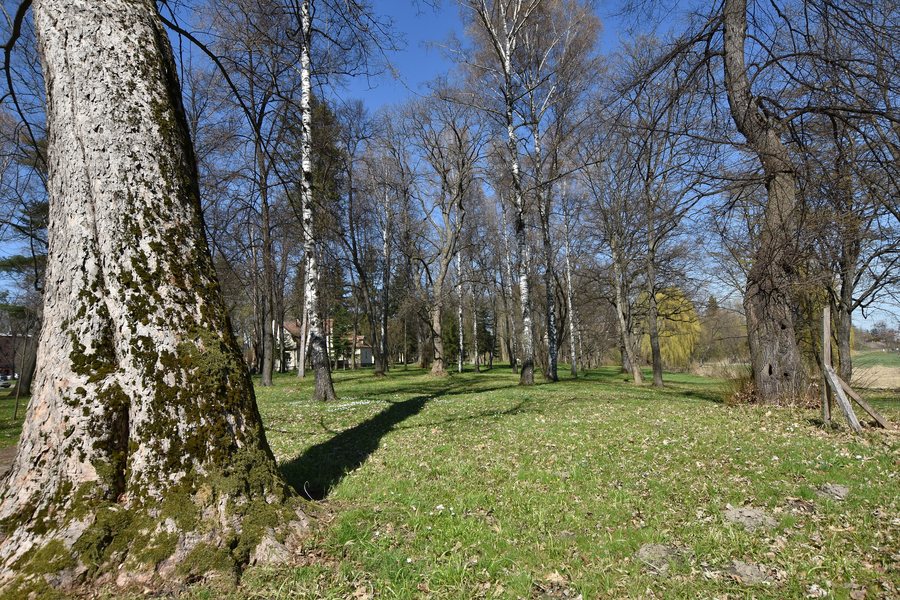
Wojnicz at a glance
- In 1239, an assembly of the nobility of Lesser Poland took place in Wojnicz to welcome Kinga.
- The exact date when Wojnicz was granted town status is unknown; it took place between 1239 and 1278. A document by Kinga from 1278 refers to Wojnicz as a town.
- The market square has retained basic features typical of Środa law.
- The Wojnicz–Panieńska Góra hiking trail passes the park and palace complex in Wojnicz.
What do the historical dates tell us about Wojnicz?
The 1239 assembly brings Wojnicz to life as the setting for a specific historical event. The nobility of Lesser Poland gathered there to welcome Kinga, the daughter of the King of Hungary and later the wife of Bolesław the Chaste. This links the town’s history to a meeting whose occasion and participants are known.
Another point of reference is the mention of Wojnicz as a town in a document by Duchess Kinga from 1278. The exact date when Wojnicz received town rights is unknown; it falls within the period between 1239 and 1278. The 1278 mention and the undetermined date of its town charter therefore answer different questions: the document provides a dated record of the town designation, while the exact date when town status was granted remains unknown.
What details define the market square and St. Leonard’s Church?
The market square in Wojnicz has well-preserved basic features typical of Środa law. It is described as a monument of exceptional significance. This description draws attention to the square’s historical form and makes it a subject in its own right, alongside the events associated with Wojnicz.
Another artistic highlight is the high altar in St. Leonard’s Church. The altar is in the Neo-Renaissance style and dates from the late 19th century. It contains paintings from a Renaissance triptych, painted by Stanisław Tarczowski around 1560. The central panel depicts the Visitation of Saint Elizabeth, with Saint Helena and Saint Catherine on either side; the superstructure features an image of Saint Leonard. The different dates of the altar and paintings reveal two distinct historical layers to consider when planning a themed visit.
What else can you include in your plans?
If you would also like to include a hike in your trip, the Wojnicz–Panieńska Góra hiking trail passes the park and palace complex in Wojnicz. This offers an option with a named stop, alongside the themes of urban and art history.
Discover more destinations: Tuchów, Zbylitowska Góra, Ciezkowice, Wola Rzędzińska, Ryglice, Ładna, Zakliczyn, Milówka.
FAQ
When is Wojnicz mentioned as a town?
A document by Duchess Kinga from 1278 refers to Wojnicz as a town. The exact date when town status was granted is unknown and falls between 1239 and 1278.
What is known about the high altar in St. Leonard’s Church?
The high altar dates from the late 19th century and is in the Neo-Renaissance style. It contains paintings from a Renaissance triptych, painted by Stanisław Tarczowski around 1560.
Where does the Wojnicz–Panieńska Góra hiking trail lead?
The hiking trail passes the park and palace complex in Wojnicz.
Go to the main travel overview: Tarnów.

.jpg)