
Discover Krośniewice
Accommodation in Krośniewice
Krośniewice brings together museum collections, church and palace history, and the story of a narrow-gauge railway. If you are looking for hotels for your stay, it helps to first identify the cultural focus that best matches your travel interests.
Krośniewice at a glance
- A Neoclassical complex of buildings belonging to a former manor house now accommodates the Jerzy-Dunin-Borkowski Museum.
- The museum collections include several thousand objects, including numismatic and phaleristic items from the 19th and 20th centuries.
- The Rembieliński Palace was built in 1870 to a design by Leandro Marconi.
- The church was built from 1866 to 1872 and consecrated in 1878.
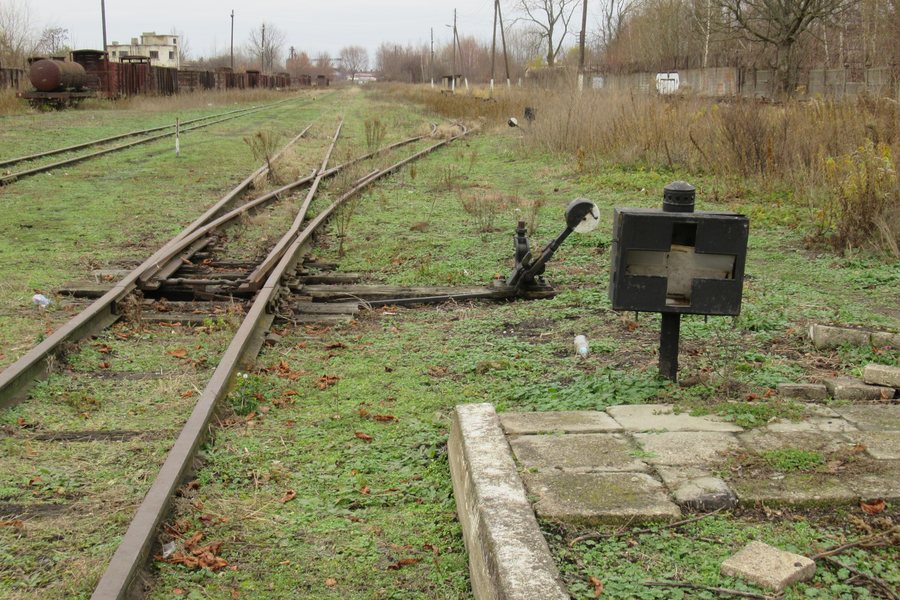
- The Krośniewice Miasto–Ostrowy Wąskotorowe railway section served the sugar factory in Ostrowy.
What defines the museum and church architecture?
The Neoclassical complex of buildings belonging to a former manor house, dating from around the turn of the 19th century, now accommodates the Jerzy-Dunin-Borkowski Museum. Its collections include several thousand objects. Their highlights include numismatics and a phaleristic collection from the 19th and 20th centuries. Coins and numismatic objects are thus represented alongside orders and decorations as distinct collection themes. If you are planning a museum visit, check the current visitor access arrangements in advance.
The present-day church offers a different perspective on architectural history. It was built from 1866 to 1872 at the initiative of parishioners and the Rembieliński family, to a design by Franciszek Tourelle. On October 6, 1878, it was consecrated by Wincenty Teofil Chościak-Popiel, Bishop of Kujawy and Kalisz. The building is single-nave and has the plan of a Latin cross. Two two-storey sacristies are beside the presbytery; at the front is a tower with a clock set in a moulded frame. The construction period, design and later consecration can therefore be understood as distinct points in the church’s history.
How can you explore the palace and park?
The Rembieliński Palace was built in 1870 for Pelagia z Zamoyskich Rembielińska and her two sons, to a design by Leandro Marconi. The complex also includes a gatehouse, an orangery and administrative buildings. The palace is surrounded by an extensive landscaped park, which is now neglected. Its present form probably dates from the beginning of the 19th century.
The park contains an obelisk erected by Rajmund Rembieliński in 1813 in memory of Prince Józef Poniatowski. The dates reveal the different historical layers: the obelisk and the probable date when the park took its present form both predate the 1870 palace. The complex can therefore be explored not only through a single building, but also through its landscape design and monument.
What story does the narrow-gauge railway section tell?
The Krośniewice Miasto–Ostrowy Wąskotorowe section was built to serve the sugar factory in Ostrowy. Its historical role differs from that of the museum, church and palace: here, the focus is on supplying a sugar factory. For travellers interested in transport history, it adds a concrete link between the narrow-gauge railway and industrial supply to the cultural and historical themes.
How can you factor these themes into your hotel plans?
Comparing collections and architecture can help you decide where to go. At the museum, the breadth of the collections, with several thousand objects, takes centre stage; at the church, you can explore its architectural form, design and chronology. Ask yourself whether you are more interested in collections or architectural history while on holiday. This can help you decide whether Krośniewice suits your interests before you finalize your hotel plans.
Discover more destinations: Strzelce, Szubin, Chochołów, Krzyżanów, Kutno, Zgórze, Bielawki, Zarębów.
FAQ
What is housed in the former manor house?
The Neoclassical complex of buildings now accommodates the Jerzy-Dunin-Borkowski Museum.
What kinds of collections does the museum have?
The collections, which include several thousand objects, feature numismatics and a phaleristic collection from the 19th and 20th centuries.
What are the defining features of the Rembieliński Palace and its park?
The palace was built in 1870 to a design by Leandro Marconi. The neglected landscaped park contains an obelisk erected in 1813 in memory of Prince Józef Poniatowski.
Why was the narrow-gauge railway section built?
The Krośniewice Miasto–Ostrowy Wąskotorowe section was built to serve the sugar factory in Ostrowy.
Go to the main travel overview: Kutno.

