
Discover Pieszyce: History, Rock Formations and Trails
Accommodation in Pieszyce
Pieszyce has historic ties to weaving and offers a range of themes for nature and outdoor activity days.
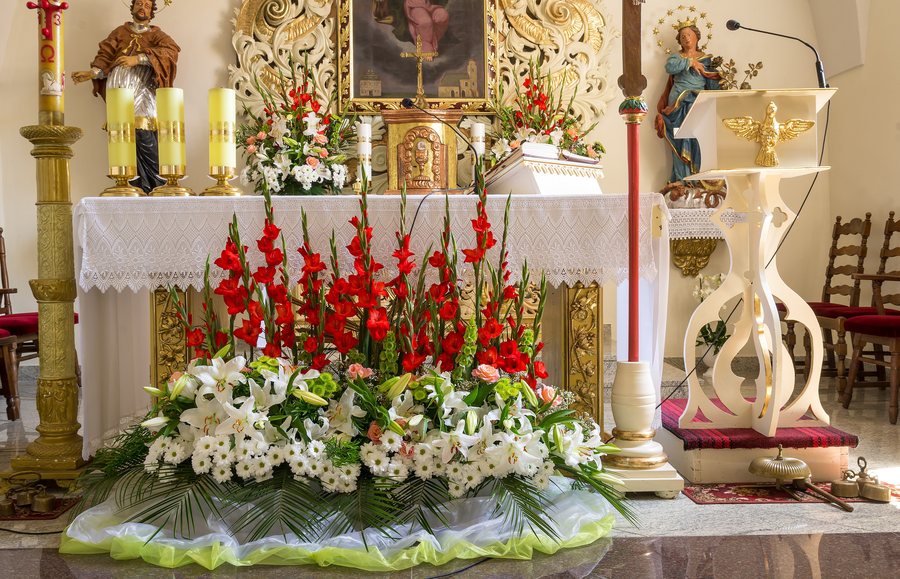 File:Pieszyce - kosciol sw. Bartlomieja 12.jpg
Photo: Jar.ciurus via Wikimedia Commons, CC BY-SA 3.0 pl
Pieszyce at a glance
- In the 19th century, Pieszyce developed into an important centre of weaving.
- The green-marked hiking trail passes through several places on its way to Pieszyce and is 34.4 km long.
- Siedem Sówek, a quartz conglomerate rock formation, lies within the municipality; its highest rock sections reach about 20 m.
- There are six groomed cross-country ski trails around Pieszyce.
What history and collections shape the area?
Weaving is an important historical connection: in the 19th century, Pieszyce became a significant centre of this trade. The town can therefore be explored not only through its nature and trails, but also through its history. This offers a distinct cultural focus for planning your trip.
The Muzeum Gór Sowich - Region Sudety is housed in a former factory building in Kamionki, within the municipality. Its built-up area covers 2,500 m², and the site measures just under one hectare. The collections include agricultural machinery and tools, household objects and equipment, and numerous machines and tools from a range of technical fields. The collection thus spans agriculture and everyday life as well as various areas of technology.
How do the rock formations differ?
The Siedem Sówek natural monument, made of quartz conglomerate, lies within the municipality. It forms a wall of small and large rock outcrops, ledges, towers and rock faces; the highest reach about 20 m.
Niedźwiedzia Skała lies within the municipality of Pieszyce, on the southern slope of Kozia Równia, along a section of the Główny Szlak Sudecki between Przełęcz Jugowska and Kozie Siodło. It is one of the youngest natural monuments in Lower Silesia. Siedem Sówek is notable for its rock type, formations and approximate height, while Niedźwiedzia Skała stands out for its location on the long-distance trail and its status as a natural monument.
How do hiking, cycling and cross-country skiing differ?
The green-marked hiking trail runs via Walim, Przełęcz Walimska, Rozdroże pod Kokotem, Rościszów, Lasocin, Kozie Siodło, Sokolec, Ludwikowice Kłodzkie, Jugów, Przełęcz Jugowska and Kamionki to Pieszyce. At 34.4 km, the route’s length is an important planning consideration. Check current trail conditions before setting out.
The Kamionki cycling trail in the municipality of Pieszyce is an MTB route with steep climbs, tight turns, and fast, technically challenging descents. Its character differs from that of the green-marked hiking trail. Lit shared walking and cycling paths also connect Pieszyce with Dzierżoniów and Bielawa; they are illuminated at night.
Cross-country skiing is also a seasonal option around Pieszyce. Four of the six groomed trails can be reached from Przełęcz Jugowska. The other two start at Przełęcz Srebrna and Przełęcz Walimska. Before planning your trip, check whether the trails have been groomed recently.
What should you consider when looking for a hotel?
If you are looking for hotels in Pieszyce, first decide which themes will shape your trip. The weaving history and the museum collections offer a cultural focus, while the trails vary considerably in activity and route character. The length of the hiking trail, the technically challenging MTB descents and the seasonal cross-country ski trails are all distinct factors to consider when planning.
Discover more destinations: Niemcza, Bielawa, Gilów, Dzierżoniów, Mościsko.
FAQ
How long is the green-marked hiking trail?
The trail is 34.4 km long and passes through several places, including Walim, Rościszów, Jugów and Kamionki, on its way to Pieszyce.
How does Siedem Sówek differ from Niedźwiedzia Skała?
Siedem Sówek, a quartz conglomerate formation with rock outcrops, ledges, towers and rock faces, lies within the municipality; the highest sections reach about 20 m. Niedźwiedzia Skała also lies within the municipality, on the southern slope of Kozia Równia along the Główny Szlak Sudecki; it is one of the youngest natural monuments in Lower Silesia.
What does the collection at the Muzeum Gór Sowich - Region Sudety include?
The collections include agricultural machinery and tools, household objects and equipment, and numerous machines and tools from a range of technical fields.
Go to the main travel overview: Reichenbach.

