
Dluzek – Church, Castle and Historic Village Houses
Accommodation in Dluzek
The church, castle and historic residential buildings give Dluzek a distinctive cultural and historical character. The variety of its architectural history is especially interesting when planning your trip: it ranges from a 14th-century Gothic church to residential buildings dating from the 19th century.
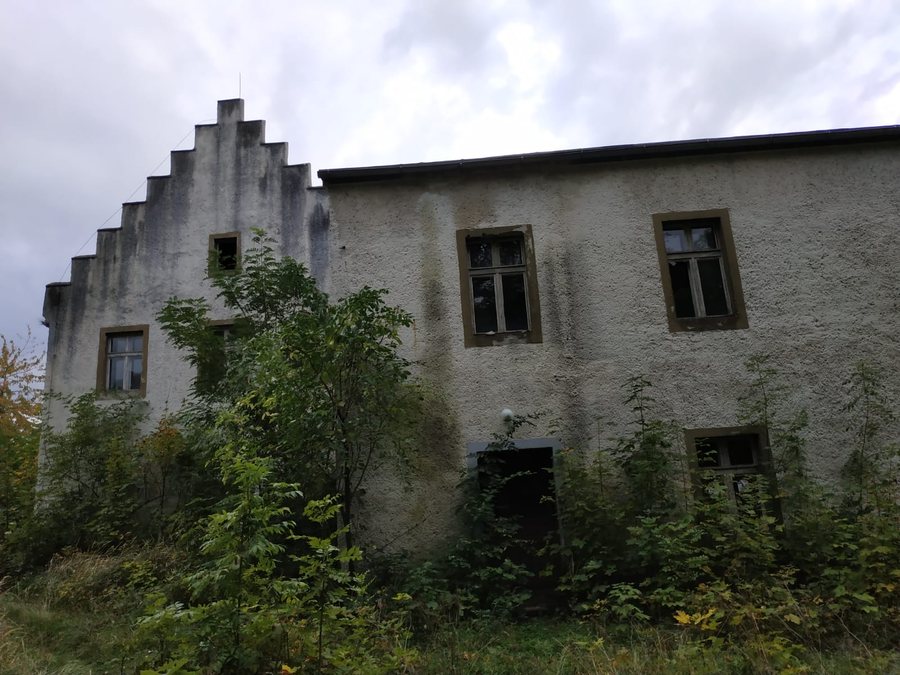
Dluzek at a glance
- The branch Church of the Nativity of the Blessed Virgin Mary in Dłużek is a Gothic, single-nave church dating from the 14th century, built of stone and brick and oriented eastward.
- Dłużek Castle was built in the 17th century and stands on the edge of a landscape park dating from the 18th and 19th centuries.
- More than 30 residential buildings in the village of Dłużek date from the 19th century; some were built as early as the beginning of that century.
What architectural history does the branch church tell?
The branch Church of the Nativity of the Blessed Virgin Mary combines medieval origins with a later renovation. It dates from the 14th century and is a Gothic church. Its single-nave layout, eastward orientation and stone-and-brick masonry are specific features that help describe it. For culturally minded travelers, the church offers a distinctive way to explore Dluzek’s architectural history.
The church underwent a major renovation after 1752. At that time, two walls of the presbytery had collapsed. The building’s history also reflects the changing fortunes of the congregation: from the Reformation until 1945, the branch church belonged to the Protestants. During renovations to the church tower and its dome in 1999, documents were discovered describing life in Dłużek from the 17th century through the 1920s.
What distinguishes the castle and farm buildings?
Dłużek Castle dates from the 17th century. Its oldest ground-floor rooms include spaces with cross vaults and barrel vaults with lunettes. The castle stands on the edge of a landscape park dating from the 18th and 19th centuries. This combination of castle architecture, historic interiors and parkland offers a different focus from the medieval church.
The farm buildings also feature different roof styles. Buildings dating from the beginning of the 19th century include a barn with a mansard roof, a stable with a gabled roof and a granary, also covered with a gabled roof. The farmyard also contains a lamus, a type of storage building, dating from the late 19th century. Their dates and different roof styles make it easier to distinguish the individual buildings rather than view them as a single complex.
What stories are associated with the residential buildings?
A single-storey, brick-built four-family house dating from the mid-19th century adds to the historic village landscape. More than 30 residential buildings dating from the 19th century also form part of the village’s historic building stock; some were built as early as the beginning of the century. Together with the farm buildings, they show that Dluzek’s architectural history extends beyond the church and castle.
An important biographical event is also associated with the manor house: Augusta Viktoria was born there on October 22, 1858. She was the daughter of the reigning Duke Friedrich Christian August of Schleswig-Holstein and later became the wife of Wilhelm II, German Emperor. Travelers comparing destinations for a culturally focused trip will find not only religious architecture here, but also the history of the castle, historic residential buildings and a specific connection to European history.
More local pages in this overview: Lubsko, Dobrzyń, Lipinki Łużyckie, Łęknica, Czaple, Chlebice, Żary and Brzostowa.
FAQ
Which century does the branch Church of the Nativity of the Blessed Virgin Mary date from?
The Gothic branch church in Dłużek dates from the 14th century. It underwent a major renovation after 1752.
When was Dłużek Castle built?
The castle was built in the 17th century. Its oldest ground-floor rooms retain cross vaults and barrel vaults with lunettes.
Who was born in the manor house in Dłużek?
Augusta Viktoria, the future wife of Wilhelm II, German Emperor, was born there on October 22, 1858.
To the main travel overview: Sorau.

