
Lipinki Łużyckie and its historic manor houses
Accommodation in Lipinki Łużyckie
Dwór II and Dwór III, the outbuilding beside Dwór I, and the landscape park beside Dwór II bring different historical aspects to the fore in Lipinki Łużyckie. Their construction dates, roof styles, and surviving features offer concrete points of interest if you would like to include culture in your travel plans.
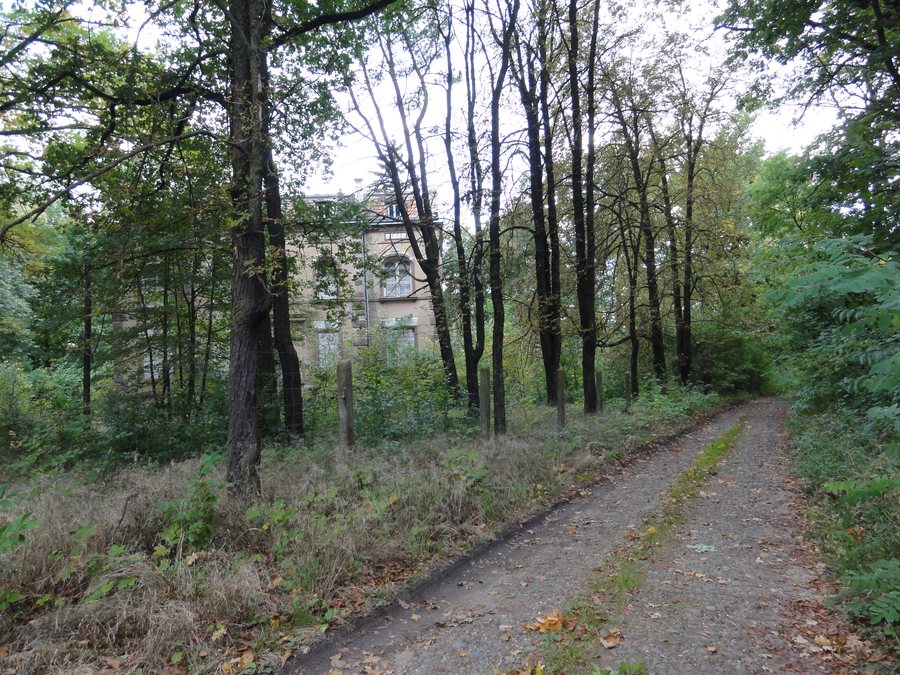 File:Dwór w Lipinkach Łużyckich, w parku.JPG
Photo: Czajkaczechowa via Wikimedia Commons, CC BY-SA 3.0 pl
File:Dwór w Lipinkach Łużyckich, w parku.JPG
Photo: Czajkaczechowa via Wikimedia Commons, CC BY-SA 3.0 pl
Key facts about Lipinki Łużyckie
- Dwór II is a two-storey building made of stone and brick, with a mansard roof. A residential tower dating from the 14th century is incorporated into it and survives up to the level of its second storey.
- Dwór III is in the northern part of the village. The neoclassical building dates from 1860 and has a gabled roof with dormers.
- A 19th-century landscape park lies beside Dwór II.
- Beside Dwór I stands a rectangular, single-storey brick outbuilding. It dates from the second half of the 18th century and has a mansard roof with dormer windows.
How do the manor houses differ?
In the case of Dwór II, an older structural element can be distinguished from the description of the building itself: the former residential tower, dating from the 14th century, is incorporated into the two-storey building. It survives up to the level of its second storey. This detail is important for understanding the building, as it refers to the tower, not to a construction date for Dwór II as a whole. The mansard roof and stone-and-brick construction are further features of the building.
Dwór III offers a different point of comparison: its date, 1860, and its neoclassical style are specified. The gabled roof with dormers describes its roof, while a portico and a terrace with a metal railing stand in front of the main entrance. The comparison therefore highlights different aspects: the integrated older residential tower at Dwór II, and the construction date, style, and entrance area at Dwór III.
The outbuilding beside Dwór I can also be distinguished from these. It is single-storey and rectangular, whereas Dwór II has two storeys. Both buildings have mansard roofs; dormer windows are also noted on the outbuilding. This shared feature goes alongside clear differences in the buildings’ form and function. You can therefore compare not only their roof styles, but also their other described architectural features.
How should the dates be understood?
The historical dates refer to different structures and events. The 14th century is the period of the former residential tower incorporated into Dwór II. In the 18th century, the moat that originally surrounded Dwór II was filled in. The date of this infilling describes a change to the surroundings of the building; it should not be confused with a construction date for Dwór II.
The outbuilding beside Dwór I dates from the second half of the 18th century, while Dwór III dates from 1860. These dates help distinguish the buildings without combining them into a single building history. The terms for style and construction form also serve different purposes: neoclassicism classifies Dwór III by style, while mansard and gabled roofs name specific roof types.
What roles do the outbuilding and landscape park play?
The historical picture includes not only Dwór II and Dwór III, but also the outbuilding beside Dwór I and the landscape park beside Dwór II. The outbuilding is a rectangular, single-storey brick building dating from the second half of the 18th century; the landscape park was laid out in the 19th century. These details complement the descriptions of the residential buildings with an architectural and a landscape aspect.
If you compare destinations based on your cultural interests, Lipinki Łużyckie offers more than just one type of building: its features range from an integrated medieval tower and buildings from the 18th and 19th centuries to a landscape park. Consider which of these aspects would be most interesting for your trip. This can help you choose the place that best matches the cultural focus of your plans.
Discover more destinations: Brzostowa, Sieniawa Żarska, Czaple, Chlebice, Dobrzyń, Dluzek, Łęknica and Żary.
FAQ
What are the features of Dwór II?
Dwór II is a two-storey building made of stone and brick. It has a mansard roof; a former residential tower dating from the 14th century is incorporated into the building and survives up to the level of its second storey.
What characterises Dwór III?
The neoclassical building dates from 1860 and is in the northern part of the village. It has a gabled roof with dormers, as well as a portico and a terrace with a metal railing in front of the main entrance.
What other historical features are there?
Beside Dwór I stands a single-storey brick outbuilding dating from the second half of the 18th century. A landscape park laid out in the 19th century lies beside Dwór II; the moat that originally surrounded Dwór II was filled in during the 18th century.
For the broader travel overview: Sorau.

