
Discover Sorau: Trails, Forest and Architectural History
Accommodation in Sorau
When planning a trip to Sorau, it is worth exploring destinations in the associated municipality of Żary: nature trails and forests, a park landscape dotted with ponds, and historic buildings offer a range of attractions. Trail lengths also vary considerably—from a walk of around two hours to a 23-kilometre hiking route.
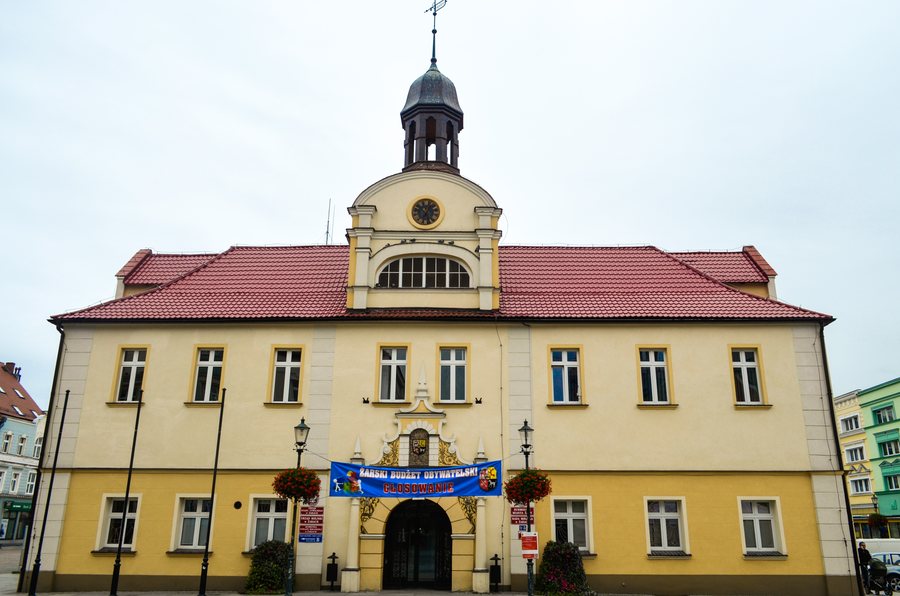
Sorau at a glance
- The walk along the “Dolina Szyszyny” trail takes about two hours and is around 2.3 kilometres long.
- The park in Włostów covers 10.5 hectares and includes four ponds and canals.
- Zielony Las has rich vegetation, varied terrain and three observation towers.
- A black hiking trail runs 23 kilometres from Żagań to Żary and passes through the municipality of Żary.
What trails and landscapes define the municipality?
The “Dolina Szyszyny” nature and forest trail runs alongside a river characterised by deep ravines. The walk along the trail is listed as taking around two hours and covering 2.3 kilometres. The Dolina Szyszyny area also contains the ruins of a historic mill, a dam dating from 1932 and a medieval hillfort listed in the register of monuments.
For a longer hike, take the 23-kilometre black trail from Żagań to Żary, which passes through the municipality of Żary. Zielony Las offers a different mix of landscape features: rich vegetation, varied terrain and three observation towers. A Euroregional cycling route also runs through the forest. The signposted red “Wielka Pętla Łużycka” cycling route heads towards the Nysa Łużycka River. This makes it easy to distinguish between a walk with a stated duration, a longer hiking route and a cycling connection when planning your trip.
What architectural history and cultural attractions are there?
The buildings are spread across different places in the municipality. In Złotnik, the ruins of a Gothic church preserve richly ornamented entrance doors, a Gothic two-bay rib vault, traces of polychrome decoration and vault corbels shaped like faces. Sieniawa Żarska is home to a 14th-century Gothic church and a rectory dating from 1737. Mirostowice Dolne has a 13th-century Gothic church; in Mirostowice Górne, there is a church with a gate and stone wall dating from the 16th century.
Lubanice and Miłowice feature other distinctive architectural forms. The Gothic church in Lubanice is associated with atonement crosses and a monument to Mikołaj Jakubica, creator of written Lower Sorbian. Miłowice has a 14th-century Gothic church and an eclectic-style palace dating from 1916. The Izba Dziedzictwa Kulturowego in Bieniów was established in 2009. Its exhibits are connected with the history of the villagers who settled there after the Second World War.
The village head’s house in Złotnik also has a history of welcoming visitors: it first opened to the public in 2018 as part of the European Heritage Days. At the time, the interior rooms displayed a collection of historic architectural ceramics and an exhibition of historic photographs belonging to the Society for the Preservation of the Past.
What makes the park landscape in Włostów distinctive?
The park in Włostów covers 10.5 hectares and has a water system comprising four ponds and canals. The trees that have been preserved include a sycamore maple with three-lobed leaves, an unusually lobed pedunculate oak, and a distinctive lime tree formed from two trees that have grown together. E. Petzold designed the park in 1864 on behalf of the Tülff family, who owned the estate at the time.
The palace in Włostów also has several building phases. It was built in the late 15th or early 16th century as a structure originally designed for defence, and was extensively remodelled in the Neoclassical style in 1803. The park and palace therefore offer different points of interest for anyone interested in landscape design or architectural history.
Which regional destinations can round out your trip planning?
The Muskau Park, a landscape park dating from the first half of the 19th century, is located in the wider Żarski County destination area. It extends across Łęknica in Poland and Bad Muskau in Germany; the Double Bridge and the English Bridge connect the two parts. Also in Żarski County, Łuk Mużakowa Geopark has been part of European geopark networks with UNESCO support since 2011. Its Polish section is protected by law as a landscape park.
How do you choose a hotel in Sorau?
Dolina Szyszyny and Zielony Las are known for their trails and landscapes, while Włostów combines a park and architectural history. When considering a specific place to stay, check its address in relation to the destinations in your own itinerary. This will help you match the hotel’s location to your interests.
Discover more destinations: Lipinki Łużyckie, Czaple, Sieniawa Żarska, Łęknica, Lubsko, Brzostowa, Dobrzyń, Żary, Dluzek, Chlebice.
FAQ
How long is the walk along the “Dolina Szyszyny” trail?
The trail is around 2.3 kilometres long; the walk is listed as taking about two hours.
What should you know when planning a visit to Zielony Las?
The area has rich vegetation, varied terrain and three observation towers. A Euroregional cycling route also runs through Zielony Las.
What distinctive trees can be found in the park in Włostów?
They include a sycamore maple with three-lobed leaves, an unusually lobed pedunculate oak and a lime tree formed from two trees that have grown together.
For the broader travel overview: Lubusz.

