
Zielonogórski: Culture, nature and active ways
Accommodation in Zielonogórski
Zielonogórski offers a variety of reasons to visit: military history and ethnographic collections, protected natural areas, cycling and hiking trails, and kayaking routes. Which local pages and experiences will interest you most depends on whether you want to focus on culture, landscapes, or activities on the water.
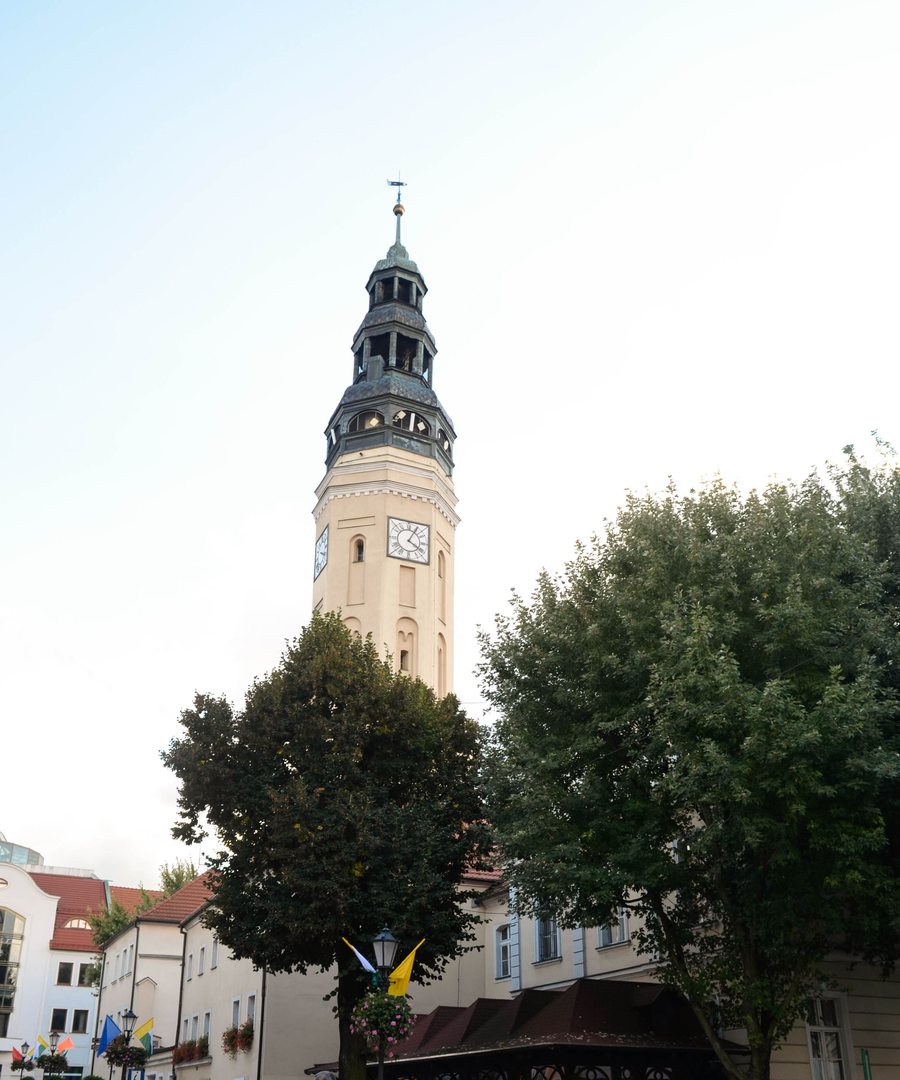
Zielonogórski at a glance
Specific attractions include museums in Drzonowo and Babimost, a permanent archaeological exhibition on the Lusatian culture, and several routes with specified lengths. There are also nature reserves featuring forests, ravines, and wetlands. To start exploring, visit the pages for Zatonie, Racula, Słone, Kolesin, Jeleniów, Trzebiechów and Babimost. You can also find pages for Krępa, Sulechow, Cigacice, Nowe Kramsko, Przylep, Marzęcin and Nowogród Bobrzański, as well as Kargowa, Przewóz, Drzonków, Stary Kisielin and Zielona Góra.
Which cultural attractions define the region?
The Lubuskie Military Museum in Drzonowo displays military history exhibits from the Middle Ages to the present day. Its permanent exhibition occupies four rooms in a 19th-century Neoclassical palace. The palace grounds and an exhibition pavilion also feature heavy military equipment, including military vehicles, armoured personnel carriers, tanks, artillery, fortifications, aircraft, and helicopters.
The Muzeum Archeologiczne Środkowego Nadodrza offers a different focus. Its permanent exhibition, “Wicina – gród metalurgów sprzed 2500 lat” (“Wicina – a Metallurgists’ Stronghold from 2,500 Years Ago”), brings together finds from a Bronze Age settlement of the Lusatian culture. Bronze, gold, glass, and iron jewellery is displayed alongside weapon parts, tools, and pottery. The Izba Pamiątek Regionalnych in Babimost, meanwhile, is devoted to ethnographic collections. Its exhibits include agricultural tools, folk costumes, household objects, musical instruments, and weaving equipment.
Design and architectural history are also part of the region’s cultural heritage. Henry van de Velde designed the interiors of the Dom Pomocy Społecznej in Trzebiechów, which was built in the first decade of the 20th century. Original elements of the wooden door fittings, staircase, and glazing have been preserved, along with furniture, fireplaces, polychrome decoration, and other furnishings.
Which routes suit different interests?
For a cycling trip, the 12-kilometre route between Babimost and the picturesque Lake Linie is one option; it then continues towards Kargowa. Another, shorter cycling route is marked blue and runs for 2 kilometres from Podlegórz to the Radowice Nature Reserve. The red Augusta Wilhelm Hans von Schierstaedt circular route is 13 kilometres long and lies between Leśniów Mały and Laski.
If you prefer walking, there is a 10-kilometre blue circular route from Trzebiechów via Podlegórz and Ostrzyce, returning to Trzebiechów. Another red route runs along the southern slopes of the Wał Zielonogórski between Zalew nad Ochlą and Wieża Bismarcka (Wilkanowska). It is 7.5 kilometres long, with an elevation difference of about 70 metres. The distances and routes offer different points of reference to help you choose, but do not indicate walking times or difficulty.
Where do nature and water take centre stage?
The Laski Nature Reserve protects forest areas in the Gniła Obra valley. Together with wet meadows, natural ponds, and marshes, this natural area forms a species-rich floristic and faunistic ecosystem. The Radowice Nature Reserve lies north of Podlegórz. Deep ravines covered with old beech forest and streams rising from numerous springs in the forest define its character.
Water routes also vary in length and course. The 9-kilometre Oder kayaking route runs from Mielno via Wielobłota and Przytoczki to Cigacice. The 11-kilometre Obrzyca kayaking route also leads to Cigacice, running from Smolno Wielkie via Podlegórz, Radowice, and Górzykowo. Organised kayaking trips on the Bóbr offer a different experience: the river flows quickly, has a gentle gradient, and follows a slightly winding course, making the trip a sporting challenge.
At Zalew Świdnicki near Świdnica, two bodies of water cover a combined area of 5 hectares. A designated swimming area is supervised by lifeguards during the holiday season. A marina built at Stary Kramsko on Lake Wojnowskie enables water sports, recreation, and a safe stay. Following thorough cleaning, Lake Liwno is intended to serve as the base for a water sports centre. Its fish stocks make it suitable for sport fishing, and there is also an area on the shore for various sports and leisure events.
What other experiences can you include in your plans?
A nature and forest education trail in the Krzystkowice Forest District opened in 1998. It is 2.5 kilometres long and has 16 thematic stations, along with educational and recreational features. The suggested time for a walk is about 1.5 hours. If you are interested in local wine, you can visit the Słoneczne Tarasy vineyard, whose winegrowers invite visitors for a tour and wine tasting.
You can also discover history through a game: the village quest “Na Świdnickim szlaku! Quest o historii i zabytkach Świdnicy” is an outdoor game in which participants discover monuments connected with the history of Świdnica. The Gmina Babimost is home to an international airport that can accommodate the largest transport and passenger aircraft.
FAQ
Which museums cover different subjects?
The Lubuskie Military Museum in Drzonowo is dedicated to military history and technology. The Muzeum Archeologiczne Środkowego Nadodrza displays finds from a Bronze Age settlement; the collection in Babimost has an ethnographic focus.
How long are the cycling and walking routes described?
The Babimost–Lake Linie cycling route is 12 kilometres long, while the blue Podlegórz–Radowice cycling route is 2 kilometres long. The blue circular route starting in Trzebiechów is 10 kilometres long; the red route between Zalew nad Ochlą and Wieża Bismarcka (Wilkanowska) is 7.5 kilometres long.
Which kayaking routes lead to Cigacice?
The 9-kilometre Oder kayaking route runs from Mielno via Wielobłota and Przytoczki to Cigacice. The Obrzyca kayaking route is 11 kilometres long and starts in Smolno Wielkie.
When is the swimming area at Zalew Świdnicki supervised?
The designated swimming area is supervised by lifeguards during the holiday season.
For the broader travel overview: Lubusz.

