
Discover Babimost
Accommodation in Babimost
Babimost brings together religious art, regional music traditions, and historic sites.
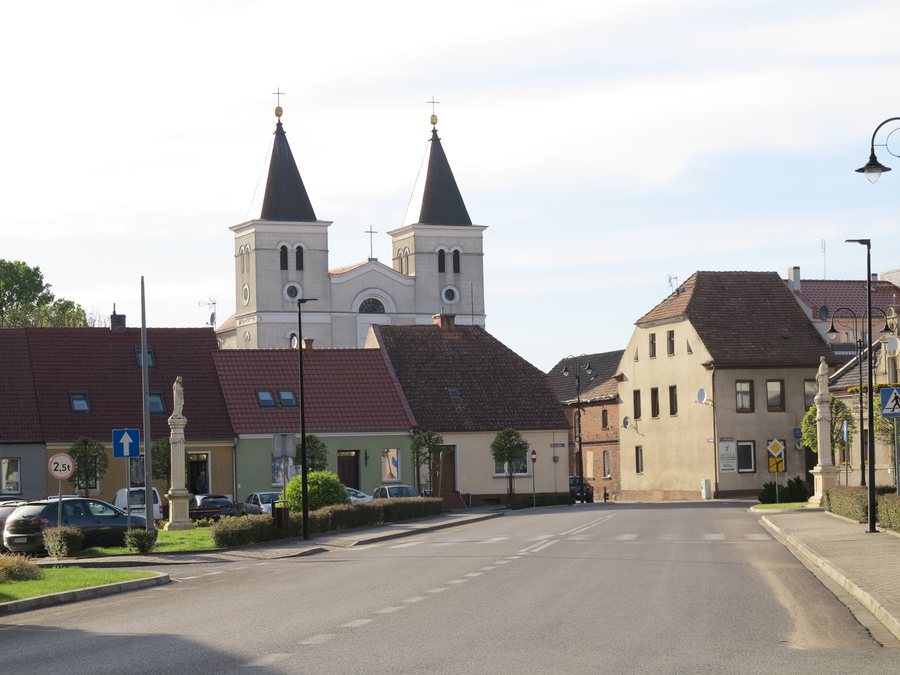
Babimost at a glance
- The Church of St. Lawrence is the Sanctuary of Matka Bożej Gospodyni Babimojskiej.
- The church houses a late Gothic polyptych from 1499, transferred from Sulechów.
- A 15th-century image of Matka Bożej Gospodyni Babimojskiej, painted on metal, hangs in the presbytery.
- Skwer Muzyków Ludowych commemorates the traditions of the folk music bands characteristic of the Kozioł region.
- Izba Pamiątek Regionalnych was established in 1963 and includes an ethnographic collection.
- The municipality’s educational and historical trail passes historic buildings, national memorial sites, and other historic places. Signs along the trail describe the sites in Polish and German.
What are Babimost’s cultural highlights?
Two distinct examples of religious art come together in the Church of St. Lawrence. The late Gothic polyptych by the Master of Gościeszowice dates from 1499 and was transferred from Sulechów. Another work is the 15th-century image of Matka Bożej Gospodyni Babimojskiej, painted on metal and located in the presbytery. Together, these details offer a specific impression of the art in the sanctuary without suggesting that the two works are one and the same.
Regional culture is also represented in several places. Skwer Muzyków Ludowych keeps the traditions of Kozioł music bands present in the town’s public landscape. Izba Pamiątek Regionalnych complements this focus with an ethnographic collection, which includes agricultural tools, folk costumes, household items and looms, as well as flax-processing tools and mementos of Bractwo Rybackie. The musical instruments listed include kozioł weselny, sierszeńki, and mazanki. The collection spans music and crafts, as well as everyday objects and keepsakes.
These themes can help guide your travel planning: the sanctuary represents religious art, while the square and collection explore regional music traditions from different angles. As you consider Babimost as a destination, think about which of these cultural aspects would be most interesting to your travel group.
What does the municipality’s educational and historical trail show?
The educational and historical trail in the municipality of Babimost passes historic buildings, national memorial sites, and other historic places. Information signs along the route describe the sites in Polish and German. By connecting each location with explanations in both languages, the signs offer another way to explore the municipality’s history.
This focus differs from the individual works of art and the ethnographic collection: rather than focusing on a single building or collection, it takes in several historic sites along the trail. So, when choosing cultural themes for your trip, you can distinguish between religious art, regional music and everyday culture, and historic places in the municipality.
How can you include Babimost in your accommodation search?
Use the cultural themes as a starting point when deciding whether Babimost suits your travel plans. First, consider whether you are especially interested in the sanctuary and its artworks, regional music traditions, or the municipality’s historic sites. These interests can help you assess the destination; when searching for a hotel or other accommodation, you can then use your own requirements as a guide and compare the available options.
Discover more destinations: Kolesin, Przylep, Nowogród Bobrzański, Słone, Zatonie, Nowe Kramsko, Krępa, Zielona Góra.
FAQ
What is the sanctuary in Babimost?
The Church of St. Lawrence in Babimost is the Sanctuary of Matka Bożej Gospodyni Babimojskiej.
What artworks are in the sanctuary?
The church houses a late Gothic polyptych from 1499, transferred from Sulechów. The presbytery also contains a 15th-century image painted on metal.
In which languages are the signs along the historical trail written?
The information signs along the educational and historical trail in the municipality of Babimost describe the sites in Polish and German.
To the main travel overview: Zielonogórski.

