
Discover Mława
Accommodation in Mława
Mława lies in the Wzniesienia Mławskie hills on the Seracz River. The town offers several points of interest to help you plan your trip: a museum with an exhibition on regional history, cycle paths along several streets, and nature and history themes in Las Mławski. Deciding which of these you want to shape your stay is a useful starting point when looking for a hotel in Mława.
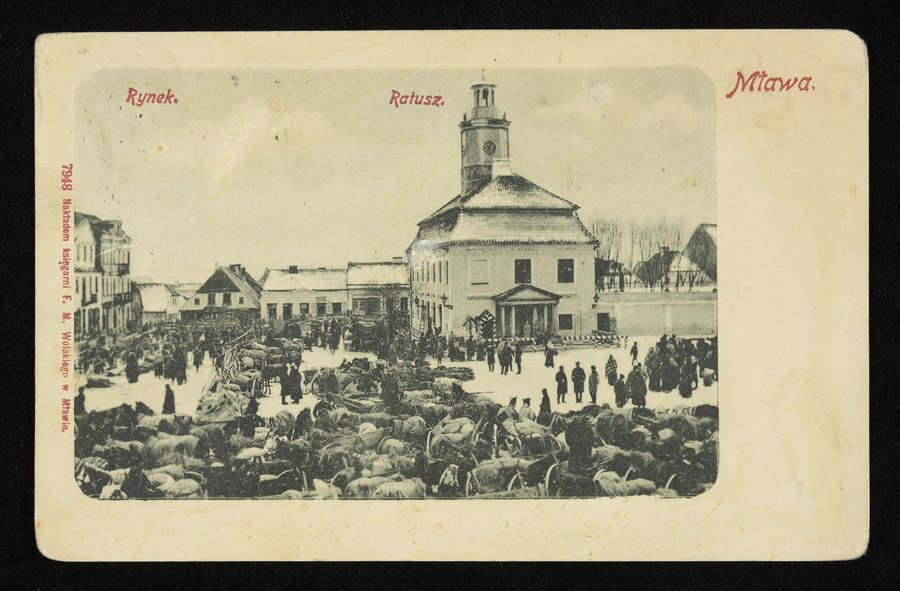 File:Mlawa - rynek - ratusz. 1904 (72540296).jpg
Photo: Unknown author via Wikimedia Commons, Public domain
File:Mlawa - rynek - ratusz. 1904 (72540296).jpg
Photo: Unknown author via Wikimedia Commons, Public domain
Mława at a glance
- Mława lies on the Seracz River in the Wzniesienia Mławskie hills.
- The E 65 railway main line, National Road 7 and Voivodeship Roads 544 and 563 pass through the town.
- The Muzeum Ziemi Zawkrzeńskiej officially opened on 8 December 1929.
- Nature trails are marked out in Las Mławski; it is also home to groups of fortifications and a lake with a special habitat on an island.
What makes Mława a useful base?
The transport routes give a clear picture of Mława’s position within the regional transport network: the E 65 and roads 7, 544 and 563 pass through the town. These details identify the routes without specifying any particular connection or journey time.
Cycle paths are also part of the townscape. They run along Działdowska Street, Aleja Marszałkowska, Górna, Szpitalna, Kopernika, Piłsudskiego, Napoleońska and Padlewskiego streets, as well as Aleja św. Wojciecha. These street names help pinpoint the marked sections.
What culture and history can you discover?
Several subject areas come together at the Muzeum Ziemi Zawkrzeńskiej: the museum has five departments, including archaeology, history, art and nature. Its history department presents a permanent exhibition on the history of Mława and the Zawkrzeńska area. It covers the period from the 16th century to the end of the Second World War. The focus is therefore on a long span of regional history, not just the town’s past.
The museum officially opened on 8 December 1929. Its education department runs museum lessons and workshops. These activities complement the permanent exhibition with an educational programme. If you are planning a cultural trip, you can make the museum a focus of your visit and explore its different departments as distinct ways to engage with archaeology, history, art and nature.
Buildings from different periods add further historical points of interest. The Bank Polski building was constructed in 1938 and is considered one of the most interesting examples of interwar modernist architecture in Northern Masovia. On the northern edge of Las Mławski are the “Krajewo” fortifications, with 2 bunkers; “Piekiełko”, with 4 bunkers; and “Dźwierznia Łysa Góra”, with 4 bunkers. Along its route, the Mławski Szlak Turystyczny includes original fortifications from the Second World War, including combat bunkers and trenches.
What does Las Mławski offer?
Las Mławski is located in the Zieluńsko-Rzęgnowski Protected Landscape Area. Nature trails are marked out in the forest. In addition, a lake in Krajewo has an island that is home to a pine bog woodland habitat. Las Mławski adds a distinct natural focus to the area’s cultural and architectural attractions.
The European bison enclosure in Krajewo also serves an important educational purpose. The forest brings together several topics that you can consider separately when planning your trip: nature trails, the special habitat by the lake, the European bison enclosure and historic fortifications. If you are looking for a hotel, you can first decide whether culture, nature or the history of the fortifications will be the main focus of your stay.
To compare more pages about nearby places, see Mława, Strzegowo, Dalnia, Zabiele and Marianowo. Other destination pages are available for Żyrardów, Grójec and Przysucha.
FAQ
Where is Mława?
Mława lies in the Wzniesienia Mławskie hills on the Seracz River.
What does the permanent exhibition at the Muzeum Ziemi Zawkrzeńskiej show?
The history department covers the history of Mława and the Zawkrzeńska area from the 16th century to the end of the Second World War.
What nature-related attractions are there in Las Mławski?
Nature trails are marked out there. An island in a lake in Krajewo is home to a pine bog woodland habitat.
For the broader travel overview: Masovia.

.jpg)