
Discover Gleiwitz: Culture, Industrial History and Green Spaces
Accommodation in Gleiwitz
Gleiwitz can be explored through a range of themes: from the historic Market Square to traces of its industrial past, exhibitions, plant life and places to play. When planning your trip, you can decide whether to focus on culture and history, nature or activities in the park.
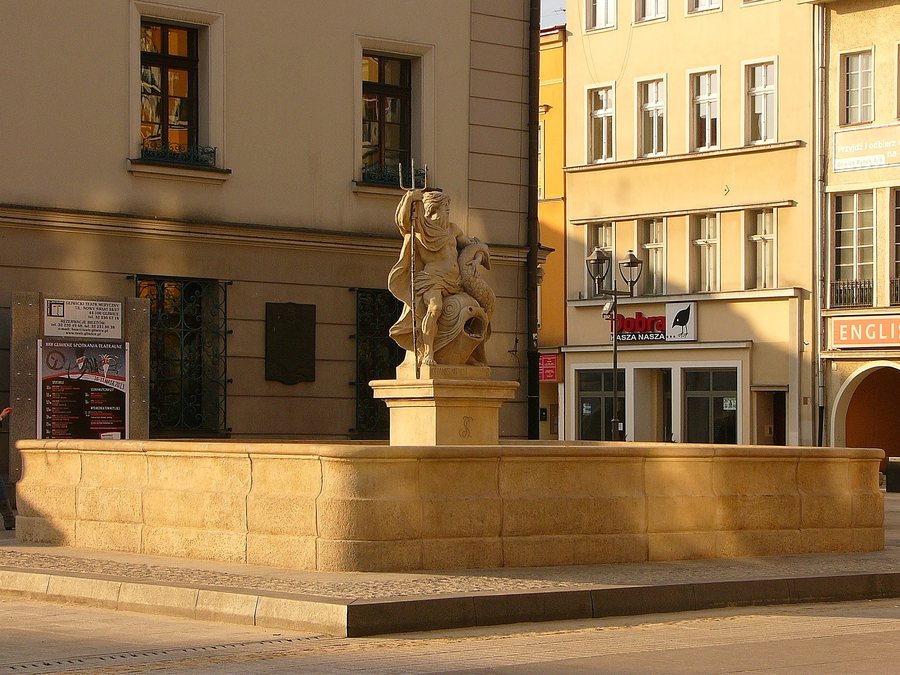
Gleiwitz at a glance
- The Market Square was laid out in the second half of the 13th century and has been the city’s most important centre of political, economic and social life since its creation.
- The Gliwice Radio Tower was added to Poland’s list of Historic Monuments in 2017 and is on a route showcasing industrial heritage.
- Willa Caro houses a permanent exhibition on the living quarters of Upper Silesian industrialists in the 19th century.
- The Municipal Palm House is now home to more than 6,000 specimens of flora and fauna.
What traces of the city’s history can you discover?
The Market Square offers a historic starting point for exploring the city’s development: ever since it was laid out in the second half of the 13th century, it has played a central political, economic and social role. Another way to explore industrial history is to visit the Hutniczy Cemetery. Those buried there include John Baildon, machine builder August Holtzhausen and sculptor Theodor Kalide. They made significant contributions to Gliwice’s industrial development.
The Gliwice Radio Tower is also part of the city’s industrial heritage. It is on the Silesian Voivodeship’s Route of Industrial Monuments, which forms part of the European Route of Industrial Heritage. The radio tower was also added to Poland’s list of Historic Monuments in 2017. If you are interested in the history of technology and industry, you can take these designations into account when choosing which cultural sites to visit.
What do the museums and exhibitions showcase?
Willa Caro is a well-preserved 19th-century residence in the style of Renaissance villa architecture. Its permanent exhibition focuses on the living quarters of Upper Silesian industrialists of that period. The architecture and exhibition offer two different perspectives: the design of a residence and the domestic world of industrialists.
The Gothic Piast Castle dates back to the 14th century, and its origins are linked to the city walls of Gliwice. Its exhibits include guild mementos from the 17th and 18th centuries, items commemorating the Silesian Uprisings and the plebiscite, and material relating to the activities of the Union of Poles in Germany. Photographs from the 19th and 20th centuries show Gliwice and industrial sites in Upper Silesia.
Another historical perspective is offered by the permanent exhibition “Jews in Upper Silesia” at the Upper Silesian Jews Memorial House. It explores the history, significance and contribution of the Jewish community to the development of Upper Silesia from the Middle Ages to the present day. By contrast, the exhibition “Gliwice Is Rightly Famous Today” features four blast-furnace-shaped cubes where visitors can explore multimedia presentations and exhibits on a range of topics.
What green spaces and family activities are there?
At the Municipal Palm House, visitors can see citrus plants, spices such as pepper, cinnamon and cardamom, and exotic palms and cacti from Australia, Africa and both Americas. Established in the 19th century, the site is now home to more than 6,000 specimens of flora and fauna. Alongside the historical exhibitions, it offers a separate area to explore plants and wildlife.
Chrobry Park has a playground with spring riders, various swings, carousels and a large climbing net. There is also a pétanque court and nine disc golf baskets near the park. This information can help you choose between exhibition-focused visits and outdoor activities when planning what to do.
If you would like to compare other locations as possible travel destinations, you can also find Paniówki, Bojszów, Przyszowice, Poniszowice, Chudów, Sośnicowice, Pyskowice and Niewiesze here.
FAQ
What can you see at Willa Caro?
The well-preserved 19th-century residence features a permanent exhibition on the living quarters of Upper Silesian industrialists in the 19th century.
What plants can you see at the Municipal Palm House?
They include citrus plants, pepper, cinnamon and cardamom, as well as exotic palms and cacti from Australia, Africa and both Americas.
What topics are covered by the collection at Piast Castle?
The exhibits include guild mementos, items commemorating the Silesian Uprisings and the plebiscite, and photographs from the 19th and 20th centuries showing Gliwice and industrial sites in Upper Silesia.
For the broader travel overview: Gliwice.

.JPG)