
Discover Gliwice: Culture and the History of Technology
Accommodation in Gliwice
Gliwice combines nature experiences with museums and landmarks from the history of technology. If you would like to include culture and green spaces in your travel plans, Palmiarnia Miejska offers a special highlight: it is the third-largest facility of its kind in Poland.
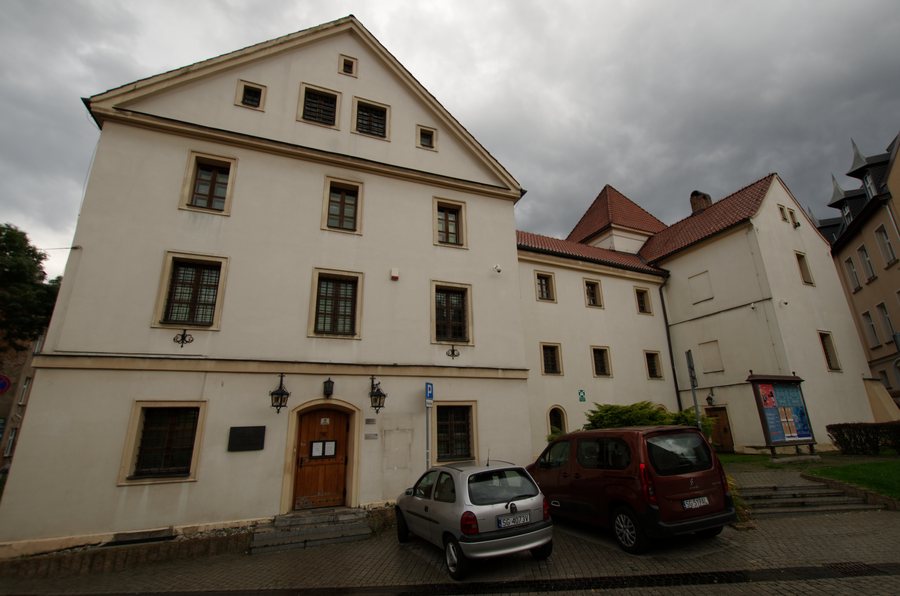
Gliwice at a glance
Palmiarnia Miejska is home to more than 6,000 specimens of flora and fauna and also has four themed aquariums. One tank holds 60,000 litres and features fish from the Amazon Basin. The cityscape is shaped by cultural and historical landmarks including Radiostacja Gliwice, Willa Caro and Zamek Piastowski. For walks and a playground, there is Fryderyka Chopina Park, which covers around 6 hectares. The A1 and A4 motorways intersect in Gliwice.
What nature and family experiences does Gliwice offer?
Palmiarnia Miejska brings together plant and animal life with glimpses into different aquatic worlds. Its four themed aquariums offer more than a general impression of flora and fauna: the 60,000-litre tank featuring fish from the Amazon Basin is particularly large. If you are interested in these habitats, you can take this highlight into account when choosing your activities.
Fryderyka Chopina Park is another way to include time outdoors in your plans. It covers around 6 hectares, with walking paths winding through impressive floral displays. The park also has a playground with slides, climbing structures, a carousel and a sandbox. When planning your trip, you can therefore consider gardens and nature as one interest and play opportunities as another, rather than treating them as a single offering.
What cultural and technological history can you discover?
Radiostacja Gliwice connects a technological structure with an event in European history. Its antenna tower is 111 metres high. In 1939, the buildings were the scene of the so-called Gleiwitz incident: a staged attack on the German facility by a German special unit. It was part of the propaganda and disinformation campaign preparing for the attack on Poland. Radiostacja is on the Silesian Route of Technical Monuments.
Willa Caro also offers a glimpse into architectural history. The well-preserved residence dates from the 19th century and is designed in the style of Renaissance villas. The villa hosts temporary exhibitions, concerts, meetings, conferences and workshops accompanying exhibitions. Zamek Piastowski is among the oldest buildings in Gliwice. Its permanent exhibition, “Gliwice – miasto wielu kultur”, covers early history and ethnography, as well as the history of Gliwice and the Gliwice region. The castle also displays Japanese armour and samurai swords, as well as Chinese and Korean swords.
Which museums and special places are part of the city?
Oddział Odlewnictwa Artystycznego is located in the former machine hall of the “Gliwice” coal mine, built between 1912 and 1914. Its permanent exhibition on artistic cast iron is modern, interactive and multimedia-based. It mainly focuses on products made by the Gliwice Royal Iron Foundry in the 19th century. Here, the building’s former industrial use meets an exhibition of elaborately crafted ironwork.
Dom Pamięci Żydów Górnośląskich, a branch of Muzeum w Gliwicach, is housed in a former mortuary dating from 1902–1903. More than 600 gravestones have been preserved in the Jewish cemetery next to the building. These places add a distinct historical dimension alongside the city’s technological and art-historical themes. For a trip focused on culture, you can choose which of these different subjects you would like to explore further.
What should you know about getting there and accommodation?
For travelling by car, the motorways offer a clear point of reference: the A1 and A4 intersect in Gliwice. The verified facts do not specify the distances between individual sights. Choose your hotel according to your own travel plans and check which location suits the places you intend to visit, rather than assuming it is near a particular museum or park. Alongside the cultural attractions, Marina Gliwice in Łabędy is another outing in its own right: passenger trips on the Gliwice Canal are offered from there on the Foxtrot passenger ship.
More local pages to help plan your trip: Niewiesze, Rudziniec, Paniówki, Paczynka, Chudów, Sośnicowice, Knurów, Bojszów, Pyskowice, Poniszowice, Gleiwitz and Przyszowice.
FAQ
What makes Palmiarnia Miejska special?
It is the third-largest facility of its kind in Poland, is home to more than 6,000 specimens of flora and fauna, and has four themed aquariums. One tank holds 60,000 litres.
What history is associated with Radiostacja Gliwice?
In 1939, its buildings were the scene of the so-called Gleiwitz incident, a staged attack that was part of the propaganda and disinformation campaign preparing for the attack on Poland.
What subjects does Zamek Piastowski cover?
The permanent exhibition covers early history, ethnography, and the history of Gliwice and the Gliwice region. The castle also displays Japanese armour and swords, as well as Chinese and Korean swords.
For the broader travel overview: Silesia.

