
Sośnicowice: Palace History, Town Center and Sports
Accommodation in Sośnicowice
Sośnicowice combines a layered architectural history with facilities for a range of sports. This gives you two clear focuses when planning your trip: historic buildings and active recreation. The following features of the town can help you tailor your stay to your interests.
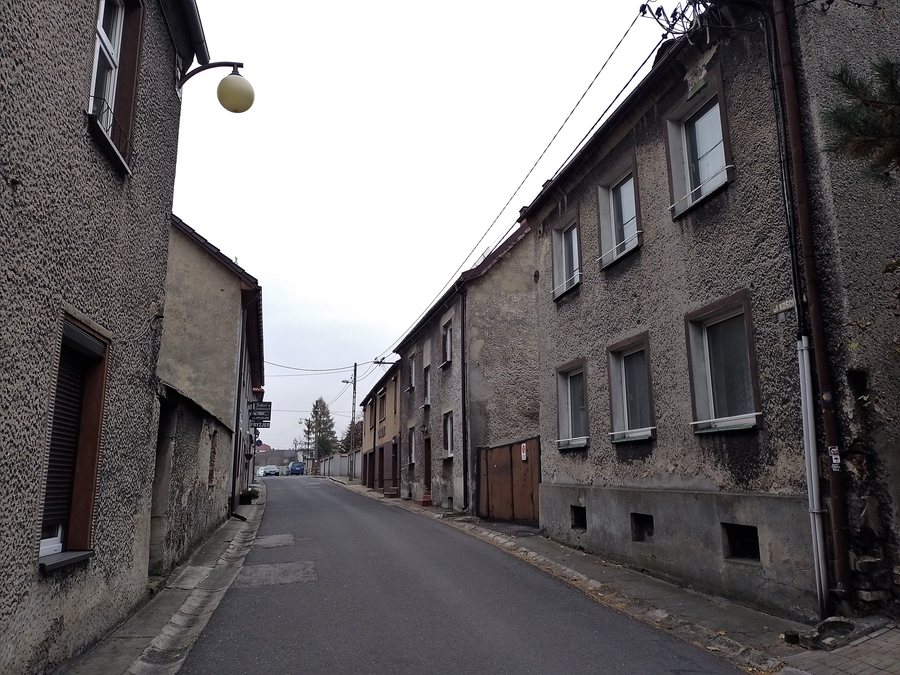 Sośnicowice, ulica Kościelna - Kieferstädtel, Kirchengasse 01
Photo: Kamil Czaiński via Wikimedia Commons, CC BY-SA 4.0
Sośnicowice at a glance
- The late Baroque Palace of the Prince of Racibórz was built in 1755 for Karol von Hoditz.
- Its foundations date back to a medieval castle.
- The Church of St. James the Greater dates from the 15th century and combines Gothic and Baroque elements.
- The historic town plan includes a small market square and several surviving 19th-century houses.
- A statue of St. John of Nepomuk stands in the park on Gimnazjalna Street.
- The Ośrodek Sportu i Rekreacji includes facilities for football, volleyball, basketball, tennis, squash, skateboarding and running, among other activities.
How does the architectural history fit together?
Two dates help distinguish the different layers of the palace’s architectural history. The building is late Baroque and was built in 1755 for Karol von Hoditz; it stands on the foundations of a medieval castle. The castle and the later palace are therefore not the same building: the older structure forms the architectural base of the palace, whose stated construction date falls in the 18th century. Anyone interested in the development of historic buildings will find a concrete link here between medieval origins and late Baroque design.
The Church of St. James the Greater offers another example. It dates from the 15th century and, following later alterations, combines Gothic and Baroque elements. The two styles represented in the church should not simply be attributed to a single construction phase. The palace and church thus tell different aspects of the town’s history: the palace brings together older castle foundations and an 18th-century building, while the church’s description encompasses both its 15th-century origins and later changes.
Which historic features shape the town?
The historic town plan of Sośnicowice includes a small market square, around which several 19th-century houses have survived. This central feature and the preserved buildings give the townscape a clearly defined historic character. The Church of St. James the Greater lies close to the historic urban fabric and can therefore be considered another architectural theme when exploring the town center.
A separate feature is the statue of St. John of Nepomuk in the park on Gimnazjalna Street. It connects a specific spot in the park with a named religious figure. When planning your visit, you can distinguish between architectural history, the historic town plan and this individual statue, rather than treating all the sights as one tour or a single sequence of locations.
What sports facilities are available?
The Ośrodek Sportu i Rekreacji includes a multi-purpose Orlik pitch for football, volleyball and basketball, tennis courts, beach volleyball courts, a squash court, a skatepark and a tartan running track. The complex brings together different kinds of sporting recreation: team sports on the multi-purpose pitch, other ball and racquet sports, as well as skating and running. This is a different focus from exploring the palace, church and historic townscape.
If you are planning a specific sporting activity, check the latest information from the Ośrodek Sportu i Rekreacji in advance. Municipal facilities may change over time; the list of facilities does not imply any specific opening hours or guarantee of access.
How do you choose a focus for your stay?
First, consider whether you are more interested in architectural history and town culture or in taking part in sports. The historic features each have a distinct character: the palace combines a late Baroque construction date with medieval foundations, while the church dates from the 15th century and, following later alterations, displays both Gothic and Baroque elements. The market square, 19th-century houses and statue in the park each add their own character.
These features of the town give you a thematic guide without linking different sights or sports facilities through an unsubstantiated description of their locations or the route between them.
Discover more destinations: Gliwice, Przyszowice, Poniszowice, Bojszów, Chudów, Paczynka, Paniówki and Niewiesze.
FAQ
When was the Palace of the Prince of Racibórz built?
The late Baroque palace was built in 1755 for Karol von Hoditz. Its foundations date back to a medieval castle.
Which architectural styles does the Church of St. James the Greater combine?
The church dates from the 15th century and, following later alterations, combines Gothic and Baroque elements.
Which sports are available at the Ośrodek Sportu i Rekreacji?
The facilities include football, volleyball, basketball, tennis, beach volleyball, squash, skateboarding and running.
For the main travel overview: Gliwice.

