
Discover Złatna: Glassworks History and Hiking Trails
Accommodation in Złatna
In Złatna, traces of wooden architecture and glassmaking history meet two marked hiking trails to Hala Lipowska. To help you plan your trip, you can compare cultural highlights with stated walking times.
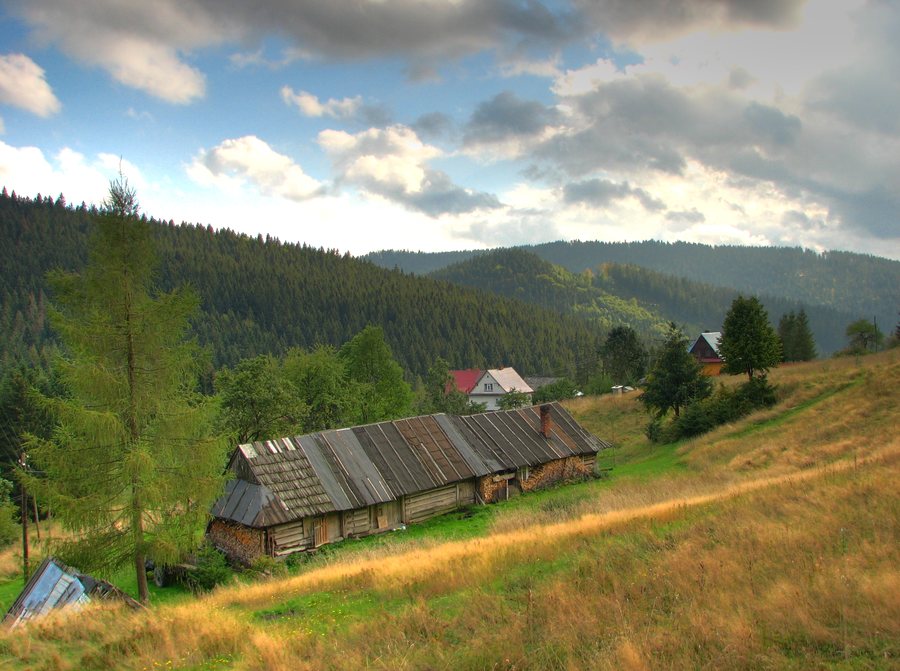
Złatna at a glance
- The Leśniczówka complex is a significant monument of wooden forestry architecture and lies on the Wooden Architecture Trail of the Silesian Voivodeship.
- Stawek w Złatnej is a protected ecological site; its legal protection was established by an ordinance dated 14 June 2007.
- A black-marked trail from Złatna-Huta leads to Hala Lipowska in one hour and 45 minutes; the blue trail from Złatna is listed as taking three hours.
- Traces of a second furnace and the foundations of the glassworks’ main building remain in Złatna Huta.
What can the building history of Złatna tell us?
The Leśniczówka complex is a monument of wooden forestry architecture. Its location on the Wooden Architecture Trail of the Silesian Voivodeship also places the individual building within the context of a themed route. This brings together a specific architectural landmark and a regionally recognized cultural trail as two distinct points of reference.
The so-called Stary Dwór also has a clearly dated building history: the design was created in 1853, and the building was completed in 1873. It initially served to administer the Żywiec estates. The design date, construction and first use mark distinct stages and help distinguish the different details of the building’s history.
What traces recall the glassworks?
White and green glass was made in Złatna, chiefly in the form of simple tableware. Traces of a second furnace and the foundations of the main building remain in Złatna Huta. The production details offer a different perspective from the structural remains: they identify the types of glass and the form of the vessels, while the foundations and furnace traces relate to parts of the glassworks.
A stone cross associated with the glassworks was erected in 1833 in memory of three workers. Alongside the details of glass production, this monument adds a personal dimension of remembrance to the history of production.
What is the significance of Stawek w Złatnej?
The protected ecological site of Stawek w Złatnej adds a distinct connection with nature to the village’s landscape, alongside its architectural and industrial history. The ordinance of 14 June 2007 established its legal protection. Złatna’s heritage therefore includes both cultural and historical landmarks and an explicitly protected ecological site.
How do the trails to Hala Lipowska differ?
Two marked trails to Hala Lipowska are listed, with different starting points and walking times. The shorter time applies to the black route from Złatna-Huta, and the longer one to the blue route from Złatna. When comparing them, consider both the starting point and the stated time. Check current trail conditions before setting out.
Discover more destinations: Wieprz, Korbielow, Zwardoń, Kamesznica, Gilowice, Żywiec, Świnna, Okrajnik.
FAQ
How long do the trails to Hala Lipowska take?
The black-marked trail from Złatna-Huta takes one hour and 45 minutes. The blue-marked trail from Złatna is listed as taking three hours.
What types of glass were made in Złatna?
White and green glass was made in Złatna, chiefly in the form of simple tableware.
Who does the stone cross by the glassworks commemorate?
The stone cross, erected in 1833, commemorates the three workers Józef Gottlicher, Feliks Gottlicher and Jerzy Frenzel.
Go to the main travel overview: Żywiec.

