
Nowy Łupków: Railway History and Cycling Route
Accommodation in Nowy Łupków
Nowy Łupków combines railway history with local cultural heritage and a cycling route. If you are looking for a hotel here, these themes can help shape your stay: consider whether the historic railway, the parish church, or the cycling route is your main interest.
Quick Facts about Nowy Łupków
- The administration of the narrow-gauge forest railway was based in Nowy Łupków.
- Nowy Łupków station was built two kilometres east of the former Łupków station; a railway settlement later developed around it.
- In 1880, more than 300 Galician dignitaries bade farewell to Emperor Franz Joseph I at the railway station after he had visited the Przemyśl Fortress.
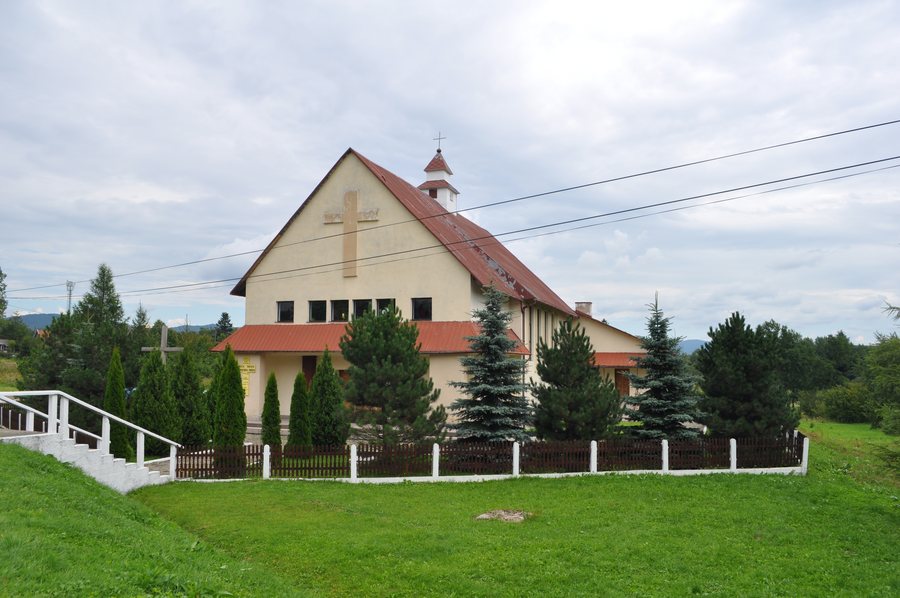
- The “Szlakiem bieszczadzkich cerkwi” cycling route passes through the village between Osławica and Smolnik. The village is also home to the parish church of the Parish of Saints Peter and Paul.
Which railway connections are part of the village’s history?
The railway connections in Nowy Łupków reflect different aspects of the village’s history. The administration of the narrow-gauge forest railway was based here. Nowy Łupków station was built two kilometres east of the former Łupków station; a railway settlement later developed around it. This development around the station offers a different perspective from the forest railway’s administrative role.
Another railway connection is the event of 1880: at Nowy Łupków railway station, more than 300 Galician dignitaries bade farewell to Emperor Franz Joseph I after he had visited the Przemyśl Fortress. To put things in context, it is worth considering the development of the station separately from this single historic day. In this way, the history of the settlement sits alongside a specific event and its occasion.
Which cultural landmark is located in the village?
Nowy Łupków is home to the parish church of the Parish of Saints Peter and Paul. This adds a religious connection to the village’s railway heritage. If culture and history are part of your travel considerations, you can weigh these themes separately: the railway relates to the development of the settlement and the event of 1880, while the church is associated with the local parish. These offer different ways to explore the village.
How does Nowy Łupków fit into the cycling route?
The “Szlakiem bieszczadzkich cerkwi” cycling route passes through Nowy Łupków. Along the route, the village lies between Osławica and Smolnik. These place names provide specific context for route planning: Nowy Łupków is part of the described route, while Osławica and Smolnik pinpoint its position along it. Check current route conditions before setting off.
Cycling offers a different perspective from railway history: here, the focus is on the village’s place on a route, while the railway history concerns former rail and settlement functions as well as a historical event. If cycling is important to your travel plans, you can consider this route as a separate factor and check current conditions before you set off.
What factors can guide your accommodation search?
The village’s connections can be grouped by purpose: the railway information concerns history and settlement development, the parish church relates to the local parish, and the cycling route helps with route planning. These are different considerations for a stay, not interchangeable travel experiences. First, ask yourself which connection matters to your trip.
Discover more destinations: Wola Michowa, Czaszyn, Zahutyń, Długie, Komańcza, Kalnica, Bukowsko, Sanok.
FAQ
What happened at the railway station in 1880?
More than 300 Galician dignitaries bade farewell there to Emperor Franz Joseph I after he had visited the Przemyśl Fortress.
Which cycling route passes through Nowy Łupków?
The “Szlakiem bieszczadzkich cerkwi” route passes through the village; along the route, Nowy Łupków lies between Osławica and Smolnik.
Which church is located in Nowy Łupków?
It is the parish church of the Parish of Saints Peter and Paul.
Go to the main travel overview: Sanok.

