
Zagórz: Culture, Monastery Ruins and Hiking Trails
Accommodation in Zagórz
Zagórz offers several points of interest for a trip: historic churches, a memorial with a steam locomotive, monastery ruins and a hiking trail. These themes can help you decide in advance whether you would rather focus on culture, history or outdoor activity.
Key facts about Zagórz
- The Railway Mini Open-Air Museum commemorates the defenders of the Zagórz railway junction in 1918.
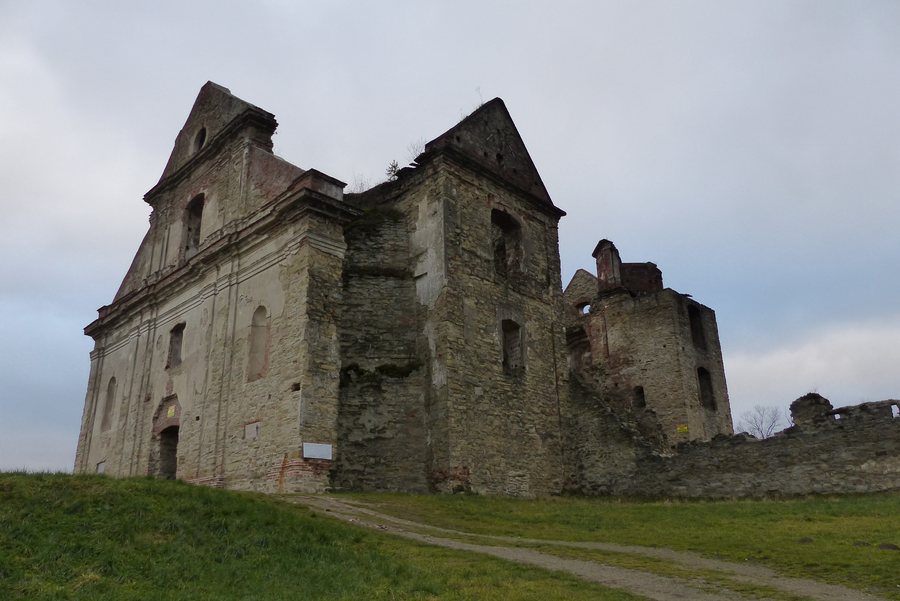
- The history of the Discalced Carmelite monastery dates back to 1700.
- The Parish Church of the Assumption of the Blessed Virgin Mary is a late Baroque monument dating from the second quarter of the 18th century.
- The green Zagórz–Guszka–Lesko hiking trail runs through the southern part of the town.
What cultural sites can you discover in Zagórz?
The Railway Mini Open-Air Museum focuses on commemorating the defenders of the Zagórz railway junction in 1918. Its main attraction is a thoroughly restored TKt48 steam locomotive. The site combines a specific reminder of the town’s history with a striking railway exhibit.
The religious buildings also reflect different historical influences. The Parish Church of the Assumption of the Blessed Virgin Mary is a late Baroque monument dating from the second quarter of the 18th century. The wooden Orthodox Church of St. Michael the Archangel was built in 1836. If you are planning a cultural trip, these buildings offer two distinct stops where you can learn about Zagórz’s religious and architectural heritage.
How do the monastery’s history and today’s visitor experiences connect?
The history of the Discalced Carmelite monastery in Zagórz dates back to 1700. Its monumental 18th-century ruins stand on Mariemont Hill above the Osława Valley. The historical background and the valley setting together form a distinctive part of the town’s history.
At the Foresterium Cultural Centre, visitors can take a virtual tour of the monastery ruins. Tours are available only by prior reservation; check the current arrangements with the operator before your visit. The Centre has a lift and toilets adapted for people with disabilities. This information refers to the Centre’s facilities.
What opportunities are there for outdoor activity and sport?
The green Zagórz–Guszka–Lesko hiking trail runs through the southern part of Zagórz. If you plan to include a hike in your trip, check locally to see whether the route has changed. This section can be included in your day plan as a separate activity, without conflating it with the historical sites.
The ski-jumping complex in Zagórz comprises three hills in the K40, K20 and K10 categories, intended for amateurs and competitive athletes. Together with the hiking trail, this offers another perspective on trip planning: you can treat cultural sightseeing and interest in sports facilities as distinct priorities, rather than planning them as the same experience.
How can you choose a hotel in Zagórz that suits your trip?
If you are looking for a hotel in Zagórz, first consider which themes matter to you during your stay: the historic churches, the memorial at the Railway Mini Open-Air Museum, the monastery’s history or the hiking trail. These experiences can guide your choice without assuming that one particular type of accommodation suits every traveller.
Discover more destinations: Mrzygłód, Czaszyn, Nowy Łupków, Długie, Dębna, Siemuszowa, Sanok, Wola Michowa.
FAQ
What can you experience at the Foresterium Cultural Centre?
Visitors can take a virtual tour of the monastery ruins there. Tours are available only by prior reservation. Before your visit, ask the operator about the current arrangements.
Which historic churches are there in Zagórz?
The Parish Church of the Assumption of the Blessed Virgin Mary is a late Baroque monument dating from the second quarter of the 18th century. The wooden Orthodox Church of St. Michael the Archangel was built in 1836.
Which trails and sports facilities are described?
The green Zagórz–Guszka–Lesko hiking trail runs through the southern part of Zagórz. The ski-jumping complex comprises three hills in the K40, K20 and K10 categories, intended for amateurs and competitive athletes.
Go to the main travel overview: Sanok.

