
Discover Dwikozy
Accommodation in Dwikozy
Dwikozy brings together a literary history and a range of examples of sacred architecture. An annual march tradition and a literary driving route also offer starting points for planning your trip.
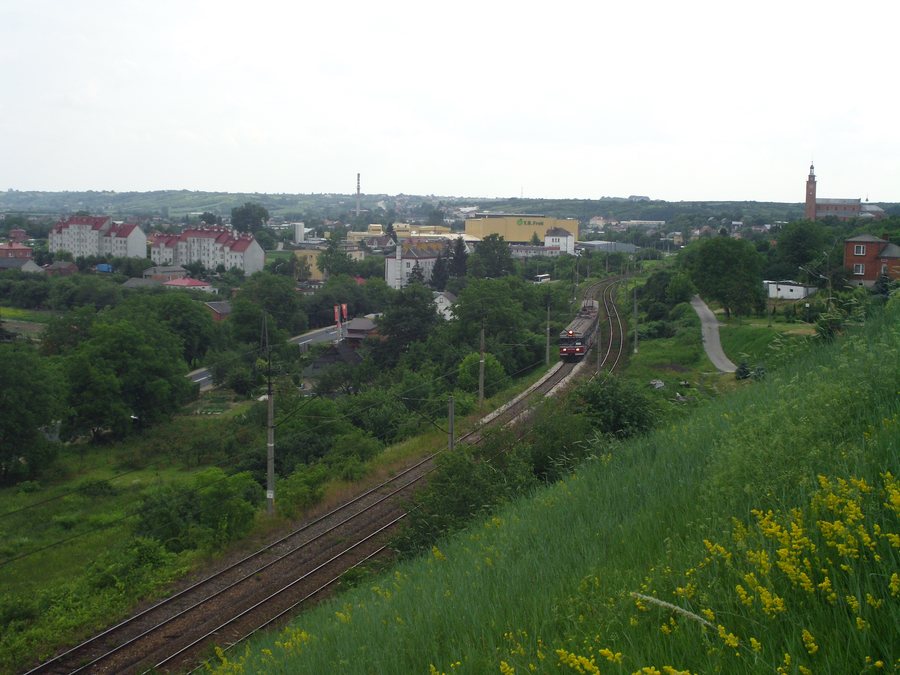
Dwikozy at a glance
- Wiesław Myśliwski grew up in Dwikozy, in his grandfather’s house.
- The parish church of St. Andrew Bobola and St. Anthony the Hermit is a modern brick building with Romanesque influences.
- The late Baroque church of St. Vitus and Our Lady of Sorrows is in Góry Wysokie, within the municipality of Dwikozy but outside the village.
- The Świętokrzyski Literary Trail passes through Dwikozy as a literary driving route.
What cultural traces can you find in Dwikozy?
The parish church of St. Andrew Bobola and St. Anthony the Hermit stands in Dwikozy. Its architecture is described as a modern brick building with Romanesque influences. A different expression of sacred architecture can be found in Góry Wysokie, where the late Baroque church of St. Vitus and Our Lady of Sorrows stands. It is considered the most outstanding monument of sacred architecture in the municipality. The two churches therefore differ both in their stated period of construction and in their architectural classification. They are also not both in the village of Dwikozy: the church in Góry Wysokie belongs to the municipality but is outside the village.
What connects Dwikozy with Wiesław Myśliwski?
The writer Wiesław Myśliwski grew up in Dwikozy in the house of his grandfather, Józef Gałęza. As a child, he often returned there and listened to stories told by older residents. He later drew on these stories in his novels, often using the local dialect. His parents are also buried in the local cemetery in Dwikozy. The literary connection thus includes both the writer’s childhood and his family’s ties to the village.
The Świętokrzyski Literary Trail passes through Dwikozy and, as a driving route, follows in the footsteps of writers and literary characters in the region. This route and Myśliwski’s personal connection to the village offer two different ways to explore its literary heritage: a drive through the region and the story of a writer whose childhood was connected to Dwikozy.
What other points of interest can help you plan your trip?
The Panieńska Góra nature reserve, with its steppe vegetation, is near Dwikozy. It is a different point of interest from the churches and literary driving route, with the landscape taking centre stage. Together with the cultural attractions, it offers a range of interests to consider when planning your trip.
The Puławiaków March is an annual tradition held in early February. It starts in Słupcza and heads to the cemetery in Góry Wysokie, where 28 students from Puławy who fell in combat are buried. The march then continues to the monument to the January insurgents in Dwikozy. Its route links several places with a specific historical connection. If you plan to arrange your trip around the march, check the dates for the relevant year.
What should you consider when looking for accommodation?
If you are looking for a hotel in Dwikozy, first consider which of the topics described matters most for your trip: the architecture in the village, Myśliwski’s literary connection or the march tradition. The distinction between Dwikozy and the municipality is also important when choosing a suitable location. The late Baroque church is in Góry Wysokie, within the municipality but outside the village of Dwikozy.
Discover more destinations: Klimontów, Kolonia Gałkowice, Pielaszów, Ocinek, Samborzec, Sandomierz, Wielogóra and Czyżów Szlachecki.
FAQ
Is the late Baroque church in the village of Dwikozy?
No. The church of St. Vitus and Our Lady of Sorrows is in Góry Wysokie, within the municipality of Dwikozy but outside the village.
What is Dwikozy’s literary connection?
Wiesław Myśliwski grew up in his grandfather’s house in Dwikozy. As a child, he listened to stories told by older residents, which he later drew on in his novels.
When is the Puławiaków March held?
This annual tradition takes place in early February. The march starts in Słupcza, passes through the cemetery in Góry Wysokie and ends at the monument to the January insurgents in Dwikozy. Check the relevant schedule for dates in a particular year.
Go to the main travel overview: Sandomierz County.

