
Przerwanki: Sapina, Lock and Lake
Accommodation in Przerwanki
If you are considering Przerwanki as a place to stay, specific locations on the Sapina and Lake Gołdapiwo can help you identify your interests. A single-chamber lock built in 1910, a kayaking route and a cycling route offer different focal points. Also nearby is the Harcerska Baza Obozowa Cyranka, a camp created by scouts for scouts in a pine and spruce forest on the lake’s northern shore.
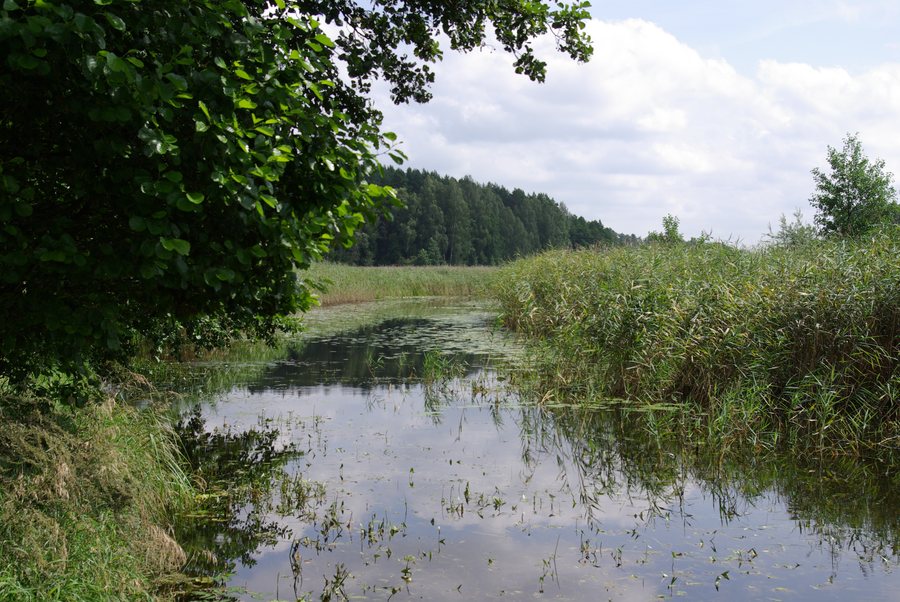
Przerwanki at a glance
- The Harcerska Baza Obozowa Cyranka is located on the northern shore of Lake Gołdapiwo in a pine and spruce forest.
- The kayaking route on the Sapina passes through the active Przerwanki single-chamber lock, built in 1910.
- The Wokół Jeziora Gołdapiwo cycling route passes the lock in Przerwanki.
- Bunkers from the First and Second World Wars are located next to the lock; the Rybaczówka is a preserved example of earlier building methods.
What role do the lake and forest play?
The location by the shore and forest is described for the Cyranka camp: it is on the northern shore of Lake Gołdapiwo in a pine and spruce forest. The lake is subject to a quiet-zone restriction. The camp is intended for scouts and is not general accommodation for travelers.
For your trip planning, you can consider the forest and lakeside setting as a feature of the area, then separately assess what type of accommodation you are looking for.
How do the kayaking route and cycling route differ?
The kayaking route on the Sapina passes through the active lock in Przerwanki. Passing through it is a highlight of the route. Check the lock’s current operating conditions before your kayaking trip. It is a single-chamber lock built in 1910, so the kayaking route combines a specific passage with a historic structure.
The Wokół Jeziora Gołdapiwo cycling route offers a different connection to the lock: it passes by it in Przerwanki. The difference between the two routes is clear: the kayaking route goes through the structure, while the cycling route passes by it. Check current route conditions before setting out by bike. This will help you distinguish between the two activities based on how each route relates to the lock.
What historic structures are there in Przerwanki?
Bunkers from the First and Second World Wars are located beside the lock on the Sapina. Together with the single-chamber lock built in 1910, they create a contrast between technical infrastructure and military relics from two wartime periods.
Another notable structure is the Rybaczówka in Przerwanki. It stands on the left bank of the Sapina, is partly built of masonry and partly of wood, and has retained its historic form. As an example of earlier building methods, it can be identified by two specific features: the combination of masonry and wood, and its preserved historic appearance.
This allows you to distinguish between different interests: water engineering and the route at the lock, the bunkers as relics of both world wars, and the Rybaczówka as an example of earlier building methods. Each of these locations has its own focus; they need not be treated as a single sightseeing route.
How can you factor local features into your hotel choice?
When comparing hotels in Przerwanki, start with the focus of your trip: are you most interested in the kayaking route, the cycling route or the history of the structures? This question can help you organize your plans. Then you can compare the specific accommodation options according to your own requirements, without inferring a hotel’s location or amenities from the features of the sights.
Discover more destinations: Kuty, Trygort, Przystan, Kolonia Rybacka, Sztynort, Ogonki, Budry, Węgorzewo.
FAQ
What is known about the Przerwanki lock?
The single-chamber lock on the Sapina was built in 1910. The kayaking route passes through the active lock; check current operating conditions before your trip.
Which routes pass by the lock?
The kayaking route on the Sapina passes through the lock. The Wokół Jeziora Gołdapiwo cycling route passes by it in Przerwanki.
What makes the Rybaczówka distinctive?
The Rybaczówka is on the left bank of the Sapina. It is partly built of masonry and partly of wood, and has retained its historic form.
To the main travel overview: Węgorzewski.

