
Fântânele – Castle, Park and Culture
Accommodation in Fântânele
Fântânele is located on the left bank of the Mureș River and combines architectural history, religious traditions and a dendrological park within a compact area. The locality in the Banat therefore offers several specific points of interest for visitors who want to compare historic buildings, church culture and nature.
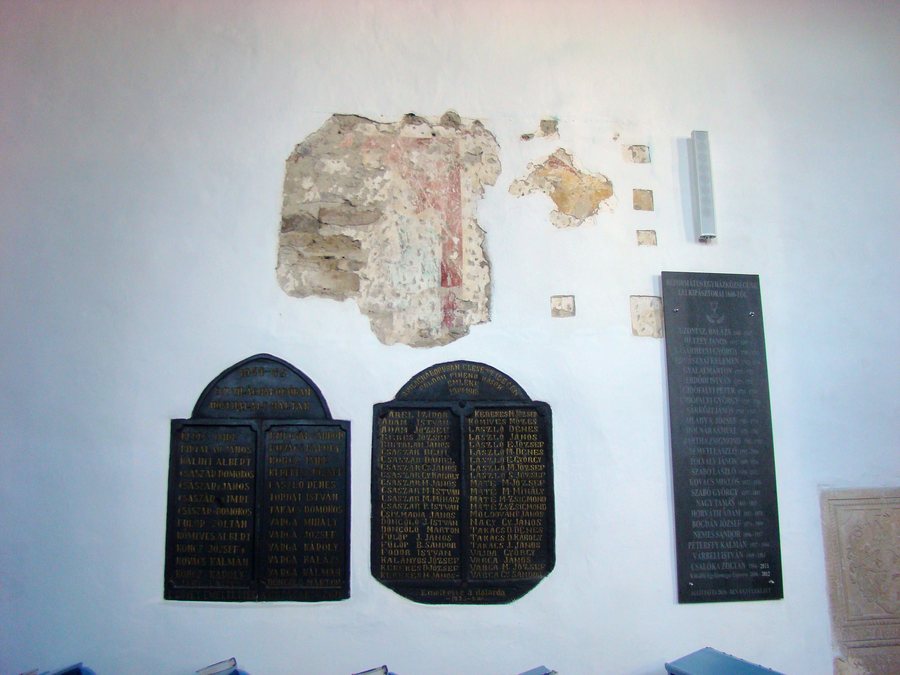 File:RO MS Biserica reformată din Fântânele (10).jpg
Photo: Țetcu Mircea Rareș via Wikimedia Commons, CC BY-SA 4.0
File:RO MS Biserica reformată din Fântânele (10).jpg
Photo: Țetcu Mircea Rareș via Wikimedia Commons, CC BY-SA 4.0
Geographical location
The Kövér-Appel Castle ensemble is located at house number 116 in the centre of Fântânele. The central location and the exact address are among the most important spatial details for finding your way around the locality.
History
Fântânele was founded in 1766 as Engelsbrunn during the Swabian settlement of the Banat. This date marks the historic origin of the locality and clearly predates the surviving buildings of the Kövér-Appel ensemble. The founding name Engelsbrunn is therefore just as much a part of Fântânele’s history as its later name.
Kövér-Appel Castle is listed as a historic monument and dated to the period 1800–1850. The park of the Kövér-Appel ensemble is also listed as a historic monument and dated to the period 1800–1850. The castle and park therefore belong to the same historic estate, but are recorded as two separate monuments.
Churches and religious traditions
The Roman Catholic Church of “Îngerul Păzitor” is listed as a historic monument and dated to 1780. The Orthodox Church of Fântânele celebrates the Feast of the Dormition of the Mother of God as its patronal feast. The locality’s history thus brings together a Catholic church with its own date and an Orthodox festive tradition.
During the 2024 hram celebration at the Orthodox Church of Fântânele, a procession took place around the church. Another historical point of reference is the listed building “Fântâna îngerului”.
Dendrological park
The Kövér-Appel Castle ensemble includes a dendrological park. It contains numerous ornamental trees, including an American walnut tree. The park complements the historic buildings with a clearly identified natural and botanical collection. It connects the architectural part of the ensemble with an explicitly described botanical component.
Fântânele therefore offers three distinct points of local interest: the Kövér-Appel ensemble represents architectural history, the Catholic and Orthodox churches represent religious traditions, and the dendrological park represents ornamental trees and plant life. The address, dates, patronal feast and the named American walnut tree each give these topics their own specific point of reference.
For a hotel in Fântânele, travel dates, room category and cancellation conditions are separate points of comparison. This keeps practical accommodation questions clearly distinct from the historical, religious and botanical topics. When making a choice, it is also possible to distinguish whether the trip is focused more on the architectural history of the castle and park, on the religious aspects or on the plant life. These three focuses place different emphases, while travel dates, room category and cancellation conditions separately reflect the practical cost and flexibility questions of an overnight stay.
Other destinations: Hălmăgel, Galșa, Căprioara, Arad, Şilindia, Ineu, Vinga, Moneasa
Back to the higher-level travel overview: Arad.

.jpg)