
Valea Seacă: Bronze Age, Churches and Vineyards
Accommodation in Valea Seacă
History
Valea Seacă combines a fortified settlement from the Middle Bronze Age with a 19th-century parish church. The Valea Seacă – Dealul Titelca archaeological site, also referred to as Dealul Titelca in Valea Seacă, belongs to the Monteoru culture. The present-day parish church probably dates from 1844 and was consecrated on 28 August 1844 by the priest Ioan Neculai Hasnaș. According to local oral tradition, the first church in Valea Seacă was said to have been built by Voivode Gheorghe Duca and his wife Anastasia Buhuș. The archaeological site, the present-day church and the transmitted history of the church represent different historical layers. The fortified settlement and the parish church differ in their periods and functions: the Bronze Age fortification is followed by the church history of the 19th century. In the present-day history of the village, the parish church stands alongside the older tradition concerning a first church. The Middle Bronze Age fortification and the church dating from 1844 mark two separate points in time; the oral tradition about the first church reaches even further back into the history of the village as a narrative.
Landscape and Viticulture
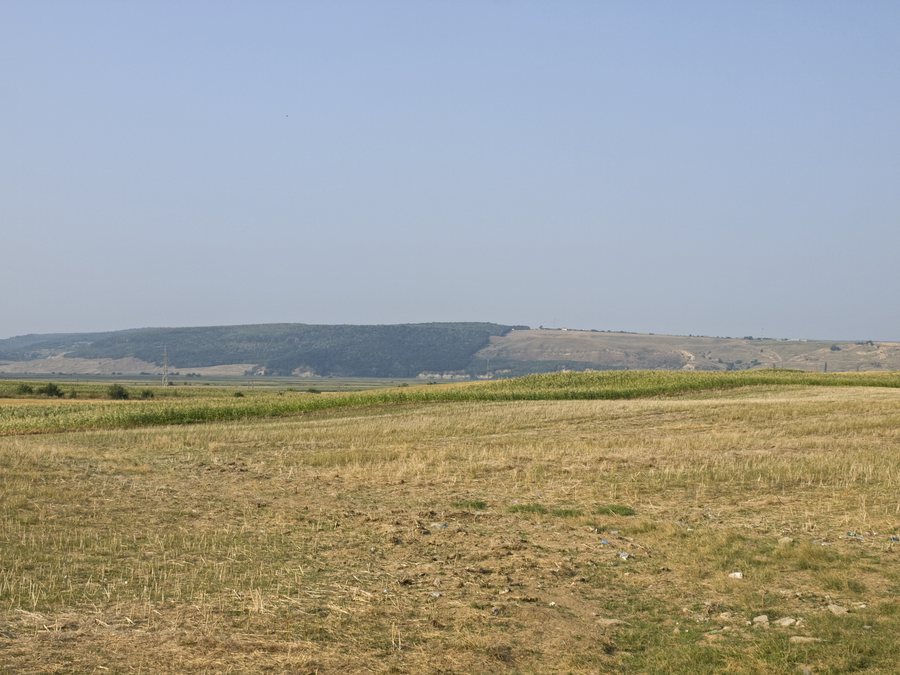
Valea Seacă is located on the Romanian national road DN2 and in a descending valley. It begins on the eastern slope of Piemontul Orbenilor and extends to the Siret Corridor. The hills in the western part of the village are wooded. Vineyards belonging to local residents are situated on the eastern slopes. The local water network includes the Valea Seaca stream. Wooded hills, a long, elongated valley, the stream and the vineyards shape the landscape in different directions. The western woodland and eastern vineyards lie on different slopes of the described valley area, while the stream is part of the local water network. For journeys on DN2, current traffic plans can be checked before travelling.
Church and Crafts
Within the municipality, Cucova Monastery has workshops for sculpture, carpentry and blacksmithing. Visitors interested in culture will find both sacred history and craft activities in this context.
Hills, Spring and Surroundings
Several named natural and cultural sites add to the immediate surroundings. The hills Dealul Cucova, Dealul Valea Seacă and Dealul Orbenilor are located nearby. The La Fântâna lui Secaci spring and the churches Biserica Cimitir Pânceşti, Biserica Cornii de Sus and Biserica Drăgeşti are located in the surrounding area. The ruins of CET 2 Borzesti belong to the wider regional surroundings of Valea Seacă. Churches, hills, the spring and ruins are spread across the surrounding area, the immediate vicinity and the wider regional surroundings. For excursions to the churches, hills and ruins, current route conditions and traffic plans can be checked before setting off. When visiting churches and monastery workshops, current opening hours can be checked before travelling.
Other places in this broader context include: Comăneşti, Tescani, Darmanesti, Cerdac, Moinesti, Sulţa, Bacău, Preluci
For the broader travel overview: Bacau.

