
Bretea – Churches, Archaeology and Forest Trail
Accommodation in Bretea
Bretea is a rural settlement where you can combine ecclesiastical buildings, archaeological sites and a marked forest trail.
Key facts about Bretea
- The Orthodox filial church “Sf Ioan Botezatorul” belongs to the Şieu-Odorhei parish and dates from 1905.
- The Traseul Educativ Pădurea Bretea runs through the surrounding woodland and is 3 km long.
- The marked hiking trail has information boards about animals and trees, as well as rest areas.
- Public bus route 29 is designated Bistrița–Şieu Odorhei–Bretea.
Which churches and cultural sites can you visit?
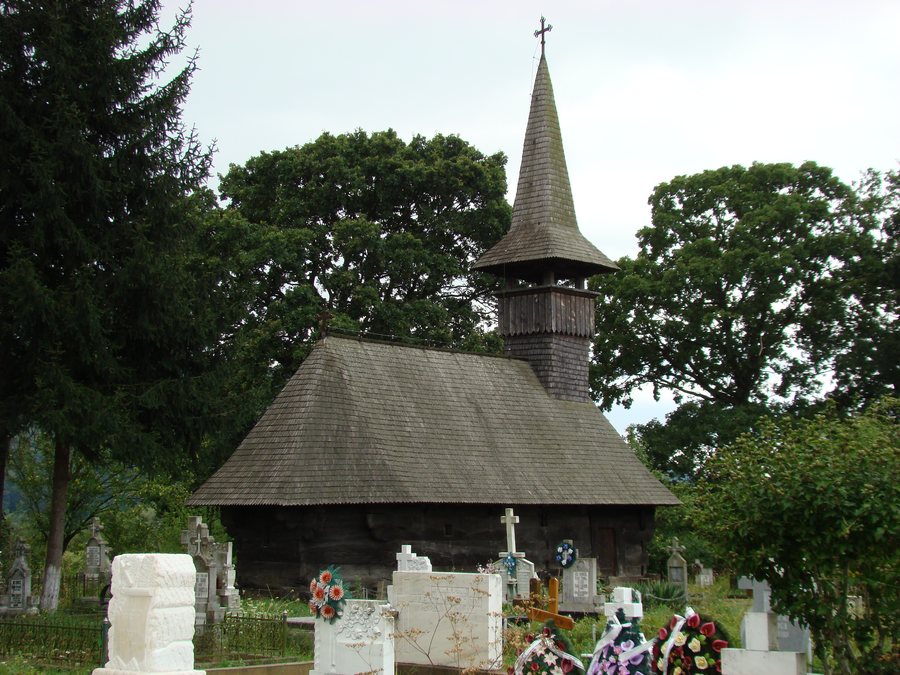
The churches of Bretea offer various historical and cultural points of interest. The Orthodox filial church “Sf Ioan Botezatorul” belongs to the Şieu-Odorhei parish and is dated to 1905. There is also the Orthodox wooden church of Bretea, dedicated to the Holy Archangels; it contains a structure dating from 1898. In the Reformed church of Bretea, you can view a painting about the 1848 Revolution.
If you are interested in the history of settlements and archaeological sites, Bretea offers several specific topics. The Fântâna Jugastrului archaeological site is a settlement. The În Pruni archaeological site lies south of the village of Bretea. Also associated with Bretea is the Sântana-de-Mureş-Cerneahov settlement of Bretea – Coasta lui Balint, which is described as an archaeological settlement. The Coasta lui Balint settlement lies northeast of Bretea and is dated to the Migration Period, specifically the 3rd to 4th century.
What can you do in the woodland area?
The Traseul Educativ Pădurea Bretea is located in the woodland surrounding Bretea and is 3 km long. The hiking trail through the Pădurea-Bretea forest is marked. Information boards about animals and trees complement the trail, and rest areas are also available. This allows you to plan your visit around a specific interest in nature: you can include the route as a standalone activity and take its 3 km length into account without assuming a particular walking time or level of difficulty.
The Traseul Educativ Pădurea Bretea is designated as open to visitors year-round. Access is intended to be free of charge subject to compliance with the access and visitor rules. Access to the hiking trail through the Pădurea-Bretea forest is located near the Paradisul Verde guesthouse in Bretea. If the forest trail is important for your travel planning, this specific location can serve as a reference when looking for suitable accommodation in Bretea.
Which other topics can complement your travel planning?
A seed reserve is located in the immediate vicinity of the village of Bretea. Sessile oaks predominate there, and hornbeams are also found. At Colnic in Bretea, the isolated site “Topoare eneolitice la Bretea–Colnic” is associated with axes; the finds date to the Eneolithic period. Bretea thus combines natural-history and prehistoric topics.
If you would like to compare Bretea with other destinations, you can also include Poiana Ilvei, Crainimăt, Ragla, Năsăud, Valea Borcutului, Telciu, Sângeorz-Băi and Piatra Fântânele among your options. Bus route 29, designated Bistrița–Şieu Odorhei–Bretea, provides a specific reference point for travelling by public transport; you should check the connections valid for your travel day in advance.
FAQ
How long is the Traseul Educativ Pădurea Bretea?
The Traseul Educativ Pădurea Bretea is 3 km long.
Is access to the forest trail free?
Access is intended to be free of charge subject to compliance with the access and visitor rules. The trail is also designated as open to visitors year-round.
Which churches can you discover in Bretea?
The options include the Orthodox filial church “Sf Ioan Botezatorul” from 1905, the Orthodox wooden church dedicated to the Holy Archangels and the Reformed church with a painting about the 1848 Revolution.
What archaeological topics are there in Bretea?
Archaeological destinations include Fântâna Jugastrului as a settlement, În Pruni south of the village, Coasta lui Balint northeast of Bretea, and the site “Topoare eneolitice la Bretea–Colnic” with axes from the Eneolithic period.
For the broader travel overview: Bistrita-Nasaud.

.JPG)