
Potlogi: Brâncovenesc Palace, Park and Market
Accommodation in Potlogi
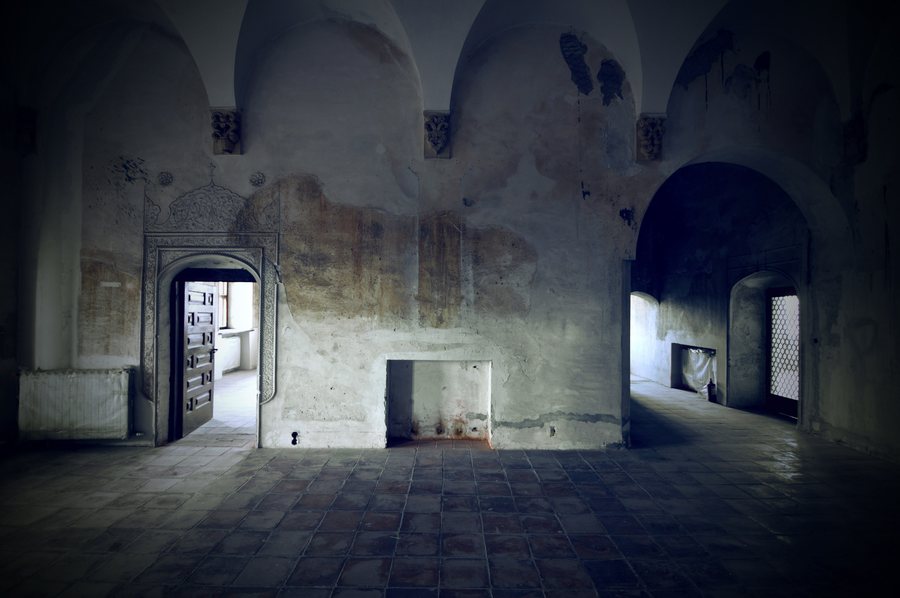
Potlogi Palace is considered a landmark of the Brâncovenesc style. It was built in 1698 by Constantin Brâncoveanu for his eldest son, Constantin. The palace comprises a basement, a ground floor and an upper floor.
Culture and History
The palace was inaugurated on November 29, 2015, after four years of construction; several buildings in the courtyard were reconstructed as part of the work. The church belonging to the ensemble was built in 1683. The church of “Sfântul Dumitru” is part of the Brâncovenesc Palace ensemble in Potlogi. The Biserica Adormirea Maicii Domnului–Strâmbeanu in Pitaru is also a historic monument.
Pitaru is also associated with the painter Nicolae Grigorescu: a memorial house dedicated to him was opened in his native village. The Casa Memorială Nicolae Grigorescu recreates peasant houses depicted in the painter’s works. A monument featuring a bust of the painter Nicolae Grigorescu stands in the center of Pitaru.
Visiting and Grounds
During the summer program in 2026, the Brâncovenesc ensemble of Potlogi is open from Tuesday to Sunday, from 09:00 to 18:30; the last admission ticket is issued at 18:00, and it is closed on Mondays. When timing a visit, both the weekly closing day and the time of the last ticket issuance should be taken into account.
The monumental ensemble of Potlogi covers 29,000 square meters. The park in the Brâncovenesc ensemble of Potlogi was designed after the model of Italian gardens from the 16th and 17th centuries. The palace hosted the eighth edition of the National “Brâncoveniana” Forum, which was dedicated to promoting Brâncovenesc heritage. Cultural events were held at the Ansamblul Brâncovenesc de la Potlogi on the occasion of Potlogi Community Day.
Paths and Landscape
The ensemble is bordered to the north by the Tudorel stream, a tributary of the Sabar. From the A1, turn right onto Road 711A, which continues for approximately 4 km. Potlogi Municipality is connected to Bucharest, Târgovişte and Piteşti by the A1 motorway, as well as county and national roads. The “Drumul Brâncovenilor” tourist route passes by Potlogi Palace. For the journey, the access via 711A and the connecting roads beyond it can be understood as separate route sections.
Market and Local Life
After 1838, Potlogi’s market tradition included 42 craftsmen. A weekly market is documented in Potlogi on Mondays. It provides residents of Potlogi Municipality and neighboring municipalities with space to sell their own agricultural products and animals.
When choosing a hotel in Potlogi, the travel period, room category and cancellation conditions can complement your cost planning. For your own calculations, these details can be considered side by side: the travel period defines the time frame, the room category specifies the intended type of room, and the cancellation conditions indicate how a possible change is handled. The period can be compared with the ensemble’s stated opening days. Practical accommodation planning complements the cultural, landscape and market information about Potlogi.
More local pages: Varlaam, Izvoarele, Greaca, Giurgiu, Comana, Călugăreni, Banesti, Daia
To the overview of the broader travel region: Giurgiu.

.jpg)