
Lupeni and Straja: Mountains, Sports and Culture
Accommodation in Lupeni
Geographical setting
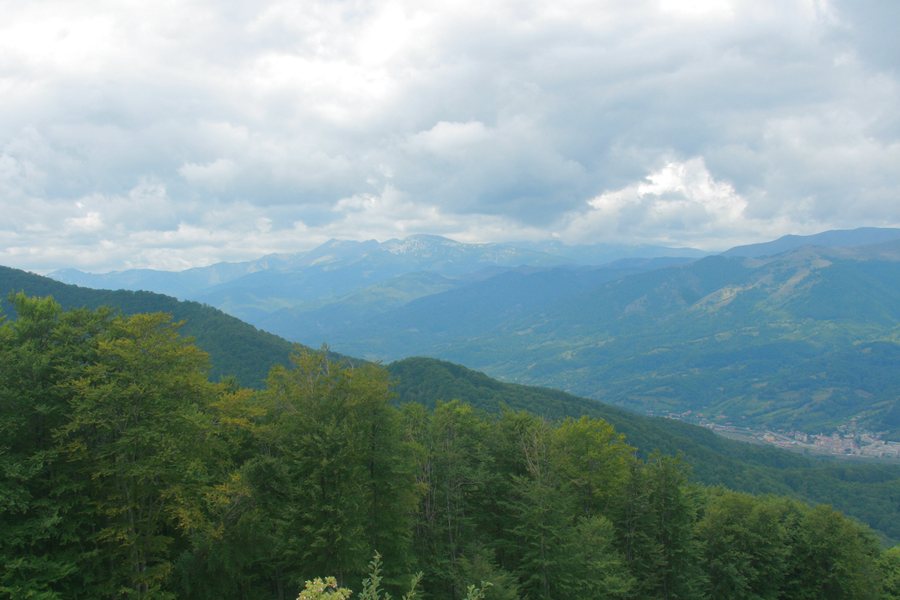
South of Lupeni lies the Vâlcan Massif, while the Jiul de Vest flows through the city. In the northern part of the Vâlcan Mountains is the resort of Straja, at an altitude of 1,300 to 1,400 metres and approximately 8 kilometres from Lupeni. The Straja gondola lift provides tourist access to the resort and runs over a distance of more than 2.5 kilometres.
Sports
The Straja ski area covers approximately 26 kilometres and is divided into 12 ski runs. Each of these runs is equipped with a cableway facility and artificial snowmaking. The Pârtia Straja is 8.1 kilometres long and descends from Vârful Straja at 1,868 metres to the gondola lift's valley station at 750 metres.
In summer, the mountain resort of Straja also hosts an international LongBoard competition with participants from several countries. For mountain bikers, the approximately 4-kilometre-long Traseul Lupilor in the resort of Straja near Lupeni and the 3.2-kilometre-long Traseul Baloo are among the available options. Traseul Baloo is classified in the All Mountain/Enduro discipline and has a medium difficulty level. Different route lengths, altitude figures, difficulty levels and seasons give you specific points of comparison when planning different days.
Culture
At Peștera Belona on Straja Hill in Lupeni, a settlement from the Neolithic and Eneolithic periods has been documented. Lupeni is also home to the church “Sfintele Femei Mironosițe,” built between 1906 and 1908 in the Neo-Byzantine style and featuring a Baroque bell tower. The church “Sf. Ierarh Nicolae” was built between 1922 and 1928 and has a three-apsed floor plan with semicircular apses.
The Roman Catholic church on Muntele Carmel was built between 1842 and 1848 in the classical style. Its furnishings include an organ by Mátisfalvi Szocs Sámuel. The Lupeni 29 monument was created by the sculptor Ion Irimescu in 1968; it depicts the miners' strike in the Jiu Valley in 1929. A memorial and burial monument in Lupeni commemorates the miners who died on 27 April 1922 in a serious mining accident at Mina Aurelia.
The Palatul Cultural Lupeni is also known today as Palatul Cultural “Minerul.” It was built by the Societatea Anonimă Română “Lupeni” based on the model of the Golden Hall of the Vienna Philharmonic. Founded in 1999, the Schitul din Straja comprises a wooden church and several monks' cells. The Tunelul sfinților ortodocși connects this wooden church with the resort of Straja, is 54 metres long and contains painted religious scenes as well as an Orthodox calendar.
Festivals
Every year on 24 June, the Nedeia Sânzienelor takes place in the mountain resort of Straja near Lupeni. The traditional open-air festival is associated with harvest, vegetation and fertility. The event includes a horse competition in which the riders must wear authentic Romanian traditional dress from their respective regions of origin.
In December, Lupeni hosts the Festivalul Crailor. Groups of Christmas carol singers from the Jiu Valley and a large audience come together for the event. The “Drumul Crucii” procession takes place in Straja every year and has been held there since 2000.

