
Şoimuş: Nature, Archaeology and Village Culture
Accommodation in Şoimuş
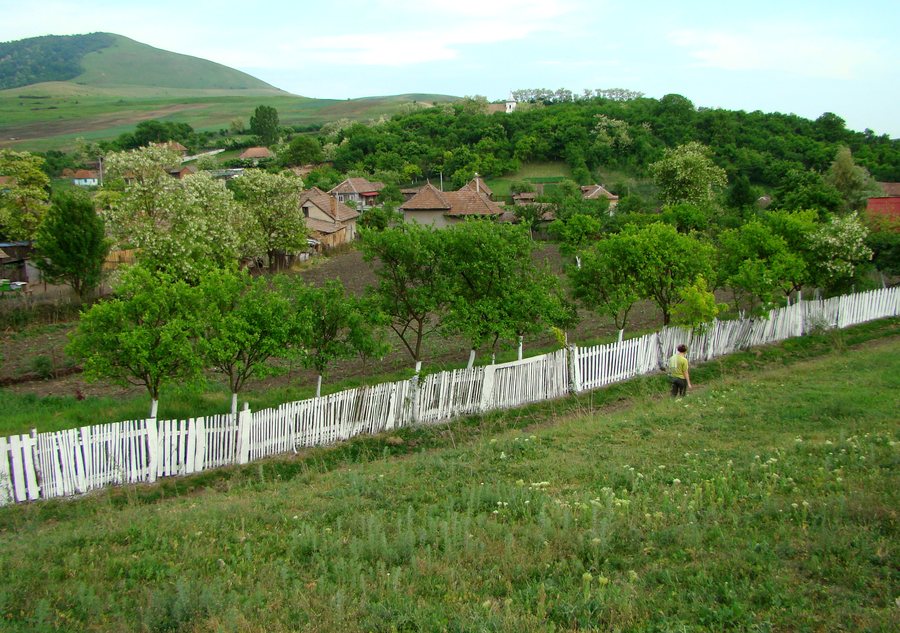
Şoimuş can be explored from three perspectives: landscape, archaeology and village culture. The different themes range from a protected limestone area and settlement traces from several periods to churches, dances and festivals.
When planning a trip around Şoimuş, hotels can be compared based on travel dates, room category and cancellation conditions. Depending on the travel period and the room desired, this may result in a different selection. For this decision, accommodation information is presented alongside the municipality’s cultural topics; the two areas can be considered separately if costs, interest in local histories and your own travel budget are weighted differently. This keeps the selection aligned with your personal circumstances.
More local pages:Roșcani, Sălaşu De Sus, Topliţa, Câmpu Lui Neag, Teliucu Inferior, Diemrich, Lupeni and Cib.
Nature and Water
The Boholt Nature Reserve is a nature reserve of national interest in IUCN Category IV. It is located in Boholt within the municipality of Şoimuş in Hunedoara County. The protected area covers 1 ha and includes a gorge-like section of the Valea Teiului with a canyon-like character, forest vegetation and thermophilic plant species on limestone. On the southern side of Şoimuş, the Mureş River forms the boundary.
The water-related attractions include the harbour of Vaporașul Șoimuș. It has facilities for mooring small boats and serves as a starting point for various excursions on the water. Vaporașul Șoimuș offers boat trips and fishing opportunities.
Archaeology and Older Buildings
The archaeological settlement “Aşezarea pluristratificată de la Şoimuş (Balata), Situl 1 – Varianta de ocolire Deva–Orăştie” lies in the floodplain of the Mureş River. It is located at the edge of a terrace on the right bank of the Mureş. The settlement includes components from the Bronze Age, the La Tène period, the classical Roman period, the Migration Period and the Early Middle Ages.
The Neolithic–Eneolithic settlement “Aşezarea neo-eneolitică de la Şoimuş – Avicola” is located at La Avicola (Ferma 2) in Şoimuş. It shows phases of the Turdaş, Petreşti and Vinča cultures, as well as the early Coţofeni culture. The wooden church “Sfântul Nicolae” in Şoimuş was built in 1705.
Village Culture
The “Adormirea Maicii Domnului” church stands in the village of Sulighete, in the municipality of Şoimuş in Hunedoara County. It is considered to have been built before the 18th century. The church stands on Bozănești Hill and overlooks the settlement situated in a broad depression. Its 1890 interior painting was executed by Dionisie Iuga from Nicula.
The wooden church in the village of Căinelu de Jos was built in the 18th century. In Sulighete, around Christmas and New Year, groups of young people go from house to house with drums, the Irozii and the star. “Lina de la Sulighete” is the best-known folk dance of the municipality of Şoimuş.
Annual Festivals
“Balul Ciobanilor” in the municipality of Şoimuş celebrates pastoral values and the traditions of the Romanian village. The festival has been held every year since 2014 between Şoimuş and Boholt.
To the main travel overview: Iron Market.

.jpg)