
Vața De Jos – Thermal Waters, History and Wooden Churches
Accommodation in Vața De Jos
Vața De Jos combines cultural history with thermal waters. Historical evidence, a named road route and the facilities of Vața Băi stand here as distinct topics side by side. Those seeking to understand the area will find both traces reaching far back in time and the concrete forms of a thermal spa.
 File:RO HD Vata de Jos Ribita 2011.55.jpg
Photo: Utilizator:Țetcu Mircea Rareș at ro.wikipedia via Wikimedia Commons, CC BY-SA 3.0
File:RO HD Vata de Jos Ribita 2011.55.jpg
Photo: Utilizator:Țetcu Mircea Rareș at ro.wikipedia via Wikimedia Commons, CC BY-SA 3.0
Culture and History
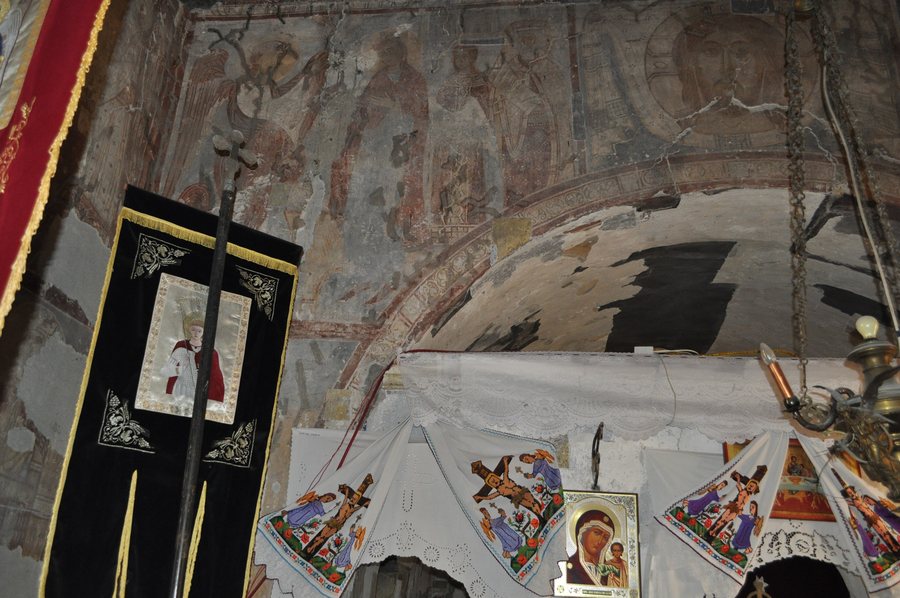
The wooden church of Ciungani stands in the municipality of Vața de Jos. It was built around 1600 and has a 14-metre-high tower, the tallest among the wooden churches in Hunedoara County. The wooden church of Birtin is also located in the municipality: it was built in 1690 and is registered as a historic monument. Vața de Jos has been historically documented since 1439 under the name Wattya.
The Zestrea Apusenilor collection enables the public to interact with objects and materials from the collection and learn more about local history, culture, art and traditions. Nearby lies Peștera Prihodiște, also known as Peștera Hânzasca, an archaeological site of the cave settlement type. Cave settlements from the Early Bronze Age, Middle Bronze Age and Eneolithic period are recorded for Peștera Prihodiște. The archaeological site located nearby has two entrances that join in a central chamber to form a partially active gallery.
Routes and Historical Connections
At the beginning of the 20th century, King Carol al II-lea travelled from Săvârșin Castle to the thermal baths of Vața; the road used for this journey is now called “Drumul Regelui”. Route 30MN17 uses exclusively the road DJ707, known as “Drumul Regelui”, between Petriș and Vața de Jos, and passes through Petriș, Corbești, Roșia Nouă and Obârșia. For route planning, the historical connection and the specifically named road alignment can be considered separately.
Other Places
Other places in this selection include Râu Bărbat, Simeria, Orăştie, Petrila, Geoagiu, Câmpu Lui Neag, Mălăești and Roșcani.
Thermal Waters
The Complex Balneo Termal Vața Băi is located in the Zarand Depression on the Crișul Alb River. The thermal waters of Vața Băi are rich in calcium, sulphur, sodium and magnesium. The Vața Thermal Spa includes indoor thermal-water pools, saunas and a salt cave. The Vața Băi Complex also includes a dendrological park that is over 100 years old. The restaurants of the Vața Băi Complex serve traditional dishes.
The health centre at the Vața thermal baths offers relaxation treatments as well as medical physiotherapy and kinesiotherapy. Thermal baths are available there both in tubs and in pools. Ștrand Vața Băi includes three additional thermal-water pools and a saltwater pool with hydromassage. A pool modelled on a lazy river has been installed at Ștrand Vața Băi.
For the overarching travel overview: Iron Market.

