
Tupilaţi: Church, Manor House and Moldovan Culture
Accommodation in Tupilaţi
Tupilaţi presents cultural features in more than one form. Architecture, the museum, folklore and events offer different ways of viewing the place. For your planning, you can weigh these focal points separately and distinguish between historic buildings, visible objects and traditional performances. Buildings and the museum preserve visible evidence, while folklore and events convey cultural heritage in a different form.
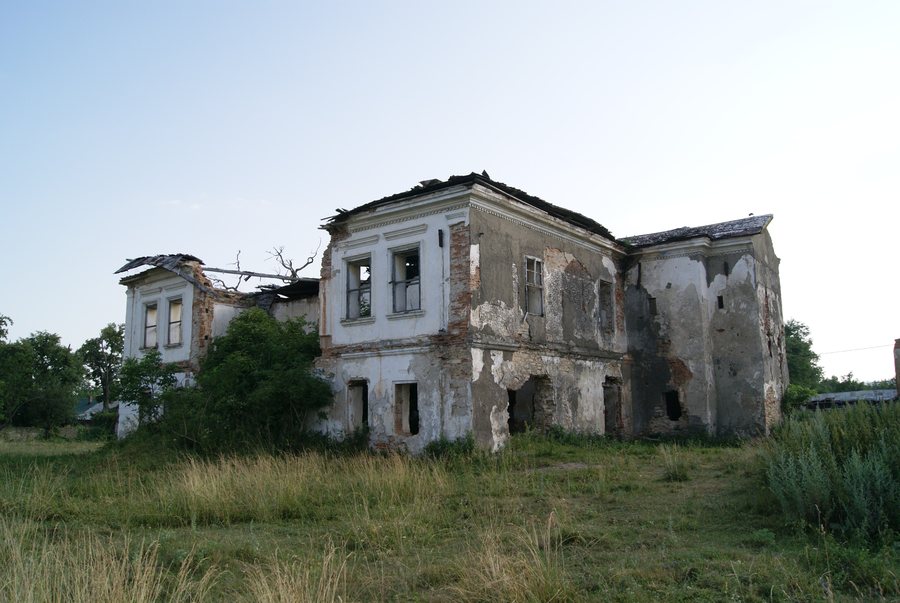 File:Casa Catargi sat Tupilaţi, judeţul Neamţ.JPG
Photo: Leonte1972 via Wikimedia Commons, CC BY-SA 3.0 ro
File:Casa Catargi sat Tupilaţi, judeţul Neamţ.JPG
Photo: Leonte1972 via Wikimedia Commons, CC BY-SA 3.0 ro
Culture
The Church of the “Sfinții Voievozi” was built in 1811 by the boyar Ștefan Catargiu near the boyar estate. It has a bell tower above the pronaos, and its iconostasis is painted in the Neo-Byzantine style. Tupilaţi Village Museum displays a traditional spinning wheel and local folk costumes.
You can consciously consider sacred furnishings and village everyday culture as two separate topics. One perspective focuses on the architectural form and interior furnishings, while the other focuses on objects and clothing. This keeps architectural form and interior furnishings distinct from objects and clothing.
The Catargi Manor House is part of the historic building stock. The estate was surrounded by a wall made of unfinished stones, with round medieval defensive towers. The manor house has an upper floor; its façade is divided into two unequal sections by a vertical glazed pavilion.
In the same village, the Catargi Manor House, its outbuildings and the “Sf. Voievozi” Church formed a unified architectural ensemble. When viewing it, you can follow the outer fortifications and façade structure in sequence. Individual architectural features remain recognisable as separate levels.
Events
The “Ciobănașul” folklore ensemble preserves and passes on traditional Moldovan songs and dances; as an artistic ensemble, it initiated the “Sărbătoarea Sânzienelor” cultural event in 1996. Hanu Ancuței organises a series of cultural events every year. The significance of Târgul de la Tupilați dates back several hundred years.
For your own travel planning, these cultural forms can be distinguished by type of activity and temporal reference. Songs and dances, events and a market with a long history place different emphasis. You can organise the topics according to the desired balance between performance, event and historical reference.
Hanu Ancuței serves traditional, authentic Moldovan cuisine and places importance on organic food sourced directly from farms. Hanu Ancuței offers 28 accommodation places. Hanu Ancuței is said to date back to the 18th century.
At Hanu Ancuței, traditional, authentic Moldovan cuisine and organic food sourced directly from farms represent different aspects: the cuisine describes the culinary style, while the origin of the food refers to the farms.
In Tupilaţi, travel dates, room category and cancellation conditions can serve as separate comparison points alongside culture, events and cuisine. The practical aspects of the trip thus remain distinct from the historic buildings, public cultural life and culinary information. This allows the accommodation conditions to be considered as a separate area alongside the various cultural and culinary topics, without mixing these contents together.
Other places: Pipirig, Tarcău, Bicaz Chei, Mânastirea Agapia, Durau, Poiana Teiului, Vădurele, Schitu Tarcău
To the higher-level travel overview: Neamt.

