
Tarcău between the River Valley and the Eastern Carpathians
Accommodation in Tarcău
Tarcău combines the landscape of the Eastern Carpathians with a long, narrow river valley: the village extends along the river of the same name, a right-bank tributary of the Bistrița. The commune lies in the Eastern Carpathians and has a typically mountainous character.
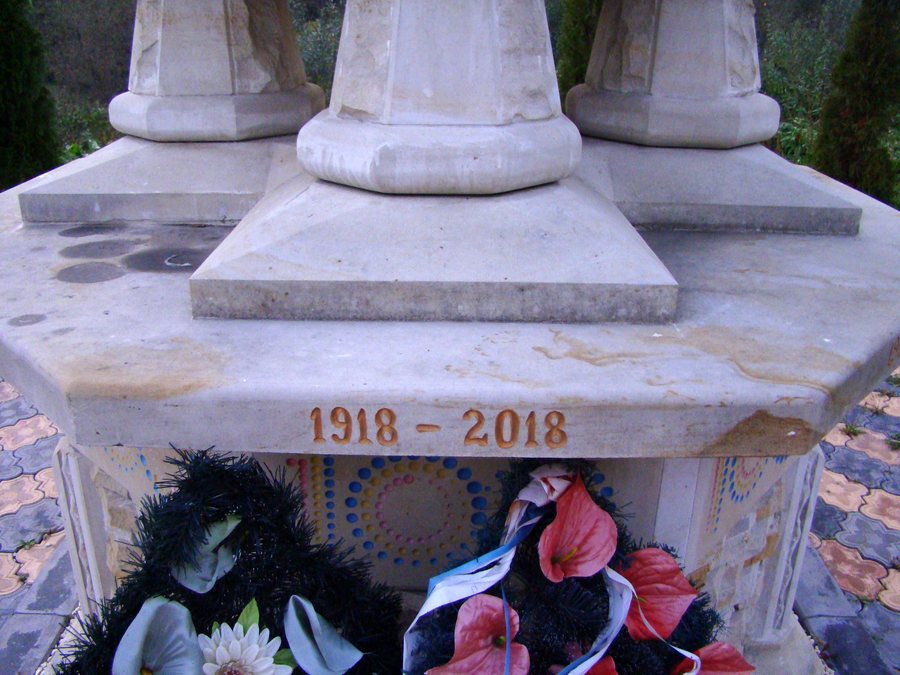 File:RO NT Monumentul eroilor din Tarcău (5).jpg
Photo: Țetcu Mircea Rareș via Wikimedia Commons, CC BY-SA 4.0
File:RO NT Monumentul eroilor din Tarcău (5).jpg
Photo: Țetcu Mircea Rareș via Wikimedia Commons, CC BY-SA 4.0
Landscape and Getting There
Within the commune of Tarcău, elevations along the Bistrița range between 370 and 390 meters; the Grindușu summit reaches a maximum of 1,664 meters. Tarcău can be reached via the DN15 national road. A well-paved communal road runs along the Tarcău River.
Further Destinations
Further destinations: Mânastirea Agapia, Trifești, Piatra Neamţ, Pipirig, Viișoara, Târgu Neamţ, Hangu, Vădurele.
Nature and Trails
Marked trails and forest roads through the Tarcău Valley lead to a capercaillie protection area in the Brateș Fauna Reserve (Tărhăuș). Several hiking trails begin at or near the Sihăstria Tarcăului Monastery. Tarcău Monastery lies in the valley of the Tarcău River.
The Goșman Forest Reserve is designated as a destination for a weekend hike. Bolovăniș Waterfall is located in the commune of Tarcău and is designated as a natural attraction. The Muntele Lung ridge separates the Tarcău Valley from the Bicaz Valley and enables paragliders to explore both valleys.
The Tarcău and the Bistrița near Tarcău are currently associated with attractive river excursions and rafting. The Tarcău Mountains offer favorable conditions for off-road activities. In the Tarcău region, mountain biking is considered an activity on trails in mountains, hills and forests, as well as on other uneven terrain.
For your own planning, the different types of trails and activities can be considered as separate focuses: marked trails and forest roads, river activities, and mountain and off-road sports each suit a different type of day.
Culture and Remembrance
The Adormirea Maicii Domnului Church in the village of Tarcău was built between 1906 and 1912 and is located on the road along the river. The monument to the heroes who fell in the First World War depicts a Romanian soldier attacking and bears a marble plaque with the names of heroes. The Monument to the Unknown Soldier is part of the cultural heritage of the commune of Tarcău and is dedicated to the local heroes of the Second World War.
Near Poiana Crivaia, the Queen Maria Monument takes the form of a Byzantine cross. It was erected on the initiative of the Neamț County Museum Complex and the Piatra-Neamț Deanery, with contributions from believers and priests from the commune.
The Iulia Hălăucescu Art Museum has six exhibition rooms with around 120 works of art and personal belongings of the artist Iulia Hălăucescu. Its permanent exhibition includes 123 paintings and 149 objects, including ceramics, old icons painted on wood, woodwork, historic furniture and studio tools. Furniture and documents recreate the atmosphere of the artist’s parental home, where she spent her childhood. Iulia Hălăucescu was born in Tarcău in 1924; the museum dedicated to her was founded in 2003.
To the main travel overview: Neamt.

.jpg)