
Discover Ploieşti: Architecture, Museums and Parks
Accommodation in Ploieşti
Ploieşti’s emblematic axis is a unique interwar route in Romania, connecting Piaţa Victoriei with Piaţa 1 Decembrie 1918.
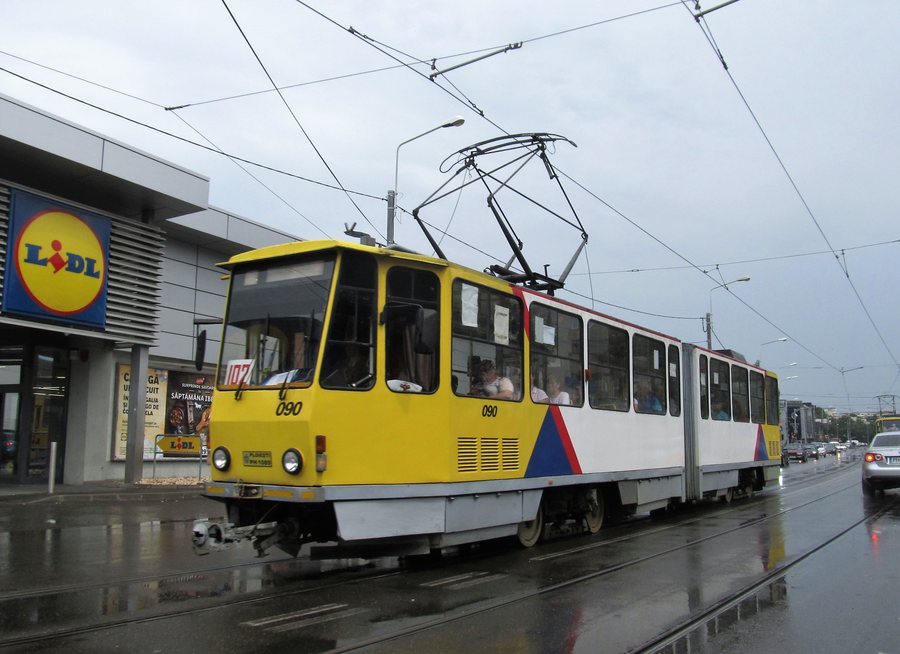
Ploieşti can be explored on foot, with frequent stops for architecture, history, art and nature.
Culture
The Palace of Culture is an important architectural landmark of Ploieşti and a monumental building constructed in the 1920s and 1930s as part of the major urban development projects of the interwar period.
The Central Halls were built between 1925 and 1935 and are considered an outstanding example of Romanian functionalist architecture. At the same time, they are among the most significant works of the architect Toma T. Socolescu.
Casa Hagi Prodan – Muzeul Casa de Târgoveț is one of the oldest buildings in the city and dates from 1785. It belonged to Hagi Prodan, was restored by Toma T. Socolescu after the First World War, and became Ploieşti’s first museum in 1927.
The Memorial Museum “Ion Luca Caragiale” is located in Casa Dobrescu, dating from the 18th to the 19th century, and covers the playwright’s life as well as his school years in Ploieşti.
The “Nicolae Simache” Clock Museum is a unique museum in Romania, with an extensive collection of historic clock movements, pendulum clocks, collector’s watches, rare pieces and astronomical instruments. It is housed in a Neo-Gothic building, the former residence of the conservative prefect Luca Elefterescu.
Experiences
The Museum of Man in the Palace of Culture in Ploieşti currently features seven halls open to visitors: Anthropogenesis, Anatomy, Genetics, Biodiversity, Protected Areas, SOS Nature and Population.
Ploieşti’s emblematic axis is used for walks, urban photography and cultural events.
When choosing a hotel in Ploieşti, travel dates, room category and cancellation conditions can be considered as separate points of comparison. They relate to the travel period, the preferred type of accommodation and the conditions for changes or cancellation. For a stay in Ploieşti, the preferred balance between culture and nature can also serve as a personal comparison aid: those who want to take various museums and historic architecture into account may prefer different travel dates or a different room category from someone who places greater emphasis on the parks. This consideration remains separate from the respective cancellation conditions when planning.
Other places:Surani, Sinaia, Buşteni, Aluniş, Valenii De Munte, Negrasu, Provița de Sus, Breaza
Nature
Ploieşti’s visitor landscapes include extensive parks.
For planning purposes, you can consider this connection with the landscape separately from the museums and historic architecture.
Geographical setting
In the immediate vicinity of Ploieşti are the Biserica Sfinţii Voievozi church and the Biserica Ortodoxă Stoeneşti Orthodox church.
In the area around Ploieşti are the Parohia Ţintea parish and the Biserica Sfânta Treime church.
In the wider regional surroundings of Ploieşti are the Vârful Mija mountain, the Tulici peak, the Satul Banului peak and the Dealul Hihireţului peak.
To the higher-level travel overview: Prahova.

