
Biertan: Fortified Church, Crafts and Transylvanian Culture
Accommodation in Biertan
The place combines architectural history, crafts, landscape, regional cuisine and a cycling route into several distinct themes for travel planning.
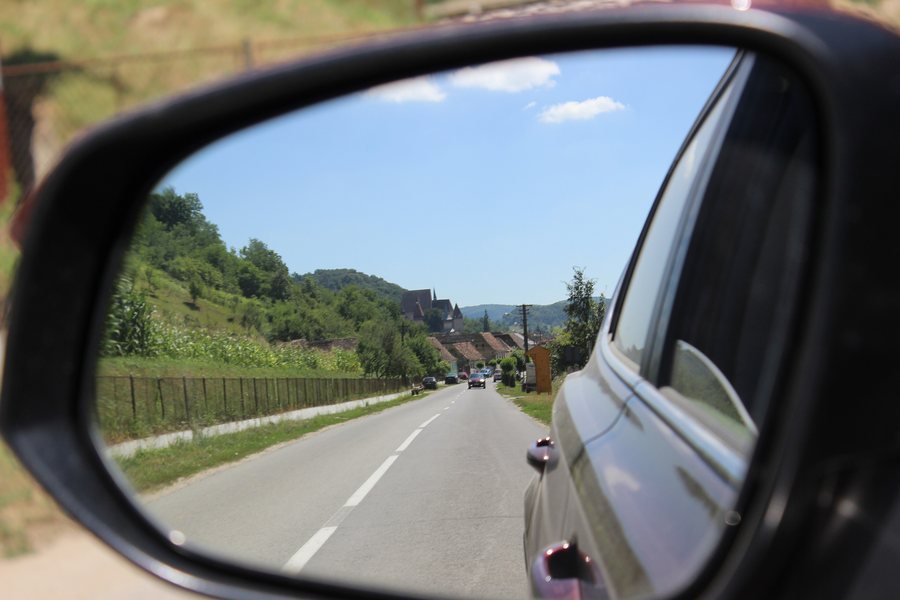 File:Biertan village, Sibiu, Romania seen from the main road.jpg
Photo: TBN 08 via Wikimedia Commons, CC BY-SA 4.0
File:Biertan village, Sibiu, Romania seen from the main road.jpg
Photo: TBN 08 via Wikimedia Commons, CC BY-SA 4.0
Further destinations:Tilischen, Boiţa, Altana, Apoldu de Sus, Hohe Rinne, Miercurea Sibiului, Gura Raului, Veştem.
Culture and History
The architectural ensemble of Biertan, with its fortified church, led to the commune being added to the UNESCO World Heritage List in 1993. Biertan’s fortified church was built at the beginning of the 16th century as a late Gothic hall church. Its altar comprises 28 painted scenes. Three rings of walls or fortification rings, six defensive towers and three bastions surround the church. The altar, hall church and defensive architecture can therefore be viewed as distinct levels of the ensemble, each identifiable through its structural elements.
The townscape also includes old houses in the Transylvanian Baroque style. Their thick walls, stone foundations, pastel-colored façades and decorations featuring vine motifs complement the church complex with secular architecture. The individual characteristics of the houses stand alongside the sacred and defensive elements as a separate part of the townscape.
This creates a clear contrast when exploring Biertan between the concentrated furnishings and fortifications of the church and the façades and architectural details of the old houses. The history of the place is not confined to a single building, but is expressed in several forms within the architectural ensemble.
Crafts and Cuisine
The ecomuseum tour in Biertan includes the old cooper’s workshop at 43 N. Bălcescu Street and the carpenter’s workshop of the craftsman Irofim Vedislav. The old communal mill of Biertan, dating from the early 20th century, is also part of the local craft heritage.
During the tourism season, craftspeople and beekeepers from the surrounding area display their handcrafted works and products for sale in Biertan’s central square. Local crafts therefore encompass permanent workshop locations, the communal mill, and works and products offered seasonally. The various stops can be distinguished by location, activity and timing.
Broderleavend is a Transylvanian Saxon soup prepared with meat, potatoes and bay leaves, and it can be enjoyed in Biertan. Cuisine, workshops, the mill and the seasonal market offer different approaches to the region’s everyday culture, without any one of these areas replacing the other themes of the place.
Landscape and Cycling Route
Biertan lies among wooded hills, terraced slopes and orchards. Forest, terraced areas and cultivated orchards form three clearly distinguishable landscape types. These geographical features add a landscape dimension to the historic townscape.
The BIERTAN-RICHIS-ATEL-DUPUS via COPSA MARE cycling route begins in Biertan. In addition to exploring the church, houses and craft locations, this provides a specifically named route as a separate travel option. The cultural themes and the landscape can thus be incorporated separately into personal daily planning.
During a stay in Biertan, hotel travel dates, room category and cancellation conditions can be compared separately. These details provide a practical decision-making level alongside the local themes and help keep the accommodation question clearly separate from the cultural, landscape and culinary aspects described.
For the overarching travel overview: Hermannstadt.

