
Píla: Hotel, nature trail and mill history
Accommodation in Píla
Píla was established in the first half of the 16th century around water-powered sawmills that belonged to the Červený Kameň estate. This marked the beginning of a local history in which water power, crafts and religious buildings have left their various traces.
Nature and trails
Below Červený Kameň Castle, a nature trail leads through the Píla valley. At its stations, it provides information about local sights and events from the history of the municipality. Two rest areas offer visitors the opportunity to refill their drinking water. From two points along the nature trail, marked hiking paths lead directly to Červený Kameň Castle. The trail is 3 km long and has an elevation difference of 53 m. At the same time, it offers nature experiences in the Little Carpathians Protected Landscape Area. In this way, the route combines historical references, specific trail data and the landscape along a clearly comprehensible path.
Culture and history
An important part of the area’s mill history is the ruin of the grain mill in Píla. It is the remains of a manorial mill that belonged to the Pálffy family; its core dates from the late 17th century. The former grain mill was powered by water, and its millrace has been preserved behind the building to this day. The former copper hammer also points to the village’s craft heritage: until 1916, it produced copper kettles. It was subsequently converted into a corrugating workshop for rollers used in grain mills and into a machine workshop.
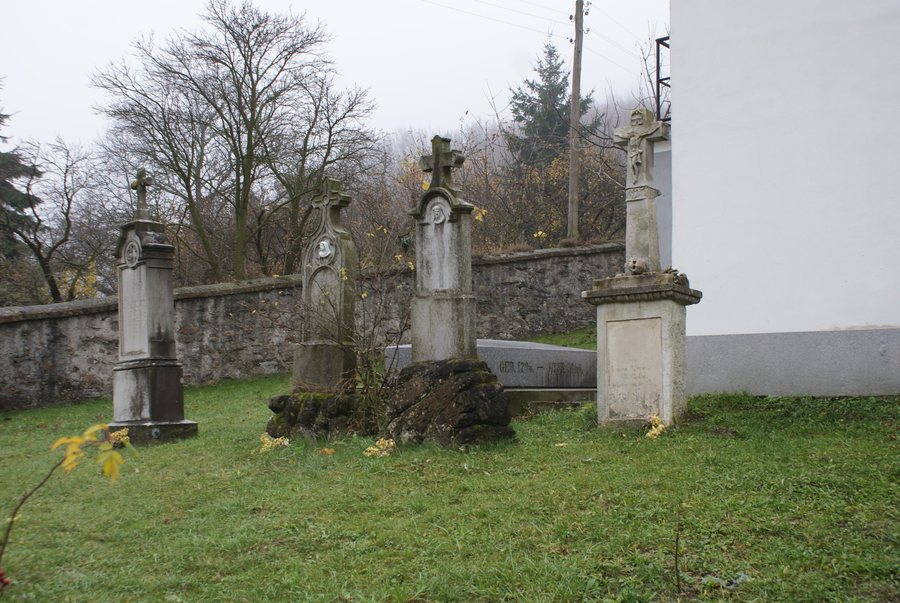
At the site of the former Upper Sawmill, parts of two millraces have been preserved. Another historical connection to the Pálffy family can be seen at the former count’s sawmill in Píla. It belonged to the Pálffy family of Červený Kameň and burned down toward the end of 1928. The Brunovský family crypt is located in the cemetery. In the first half of the 20th century, the family operated a grain mill and a corrugating workshop for rollers in Píla.
A paper mill also existed in Píla from the second half of the 17th century. The paper produced there bore a watermark featuring the Pálffy coat of arms. The present-day Church of the Visitation of the Virgin Mary dates from 1822; the original church was built toward the end of the 17th century. The building has a single nave, a polygonal termination and a barrel vault. A small roof turret topped with a pyramid rises above the gabled façade.
Landscape
At Hučák, also called Prielom Gidry, the stream forces its way between two rock walls and overcomes stone cascades. Above Píla rises the 403-metre-high Prostredník hill. A monument there commemorates the Janka Kráľ partisan group. A small chapel also stands near the confluence of the streams; it was built toward the end of the 19th century and last restored in 2005.
Also pay attention to the included services, individual price components, and booking and cancellation conditions. This perspective is particularly useful for a budget-conscious stay, providing a clear basis for comparison without assuming services or costs that are not explicitly stated. To do so, open the specific offers and compare the listed fields directly with one another before making a decision.
More local pages: Budmerice, Dubová, Báhoň, Svätý Jur, Limbach, Bösing, Slovenský Grob, Modra
To the main travel overview: Pezinok.

