
Saaremaa: Island, Kuressaare, and the Baltic Coast
Saaremaa is Estonia’s largest island and a destination for people who want to combine coastline, villages, nature, and a relaxed pace. Kuressaare is the main urban center, but the island’s character comes above all from its long roads, open landscapes, forests, wind, and small settlements. Visitors with only a few hours between arriving by ferry and returning experience Saaremaa differently from those staying several nights.
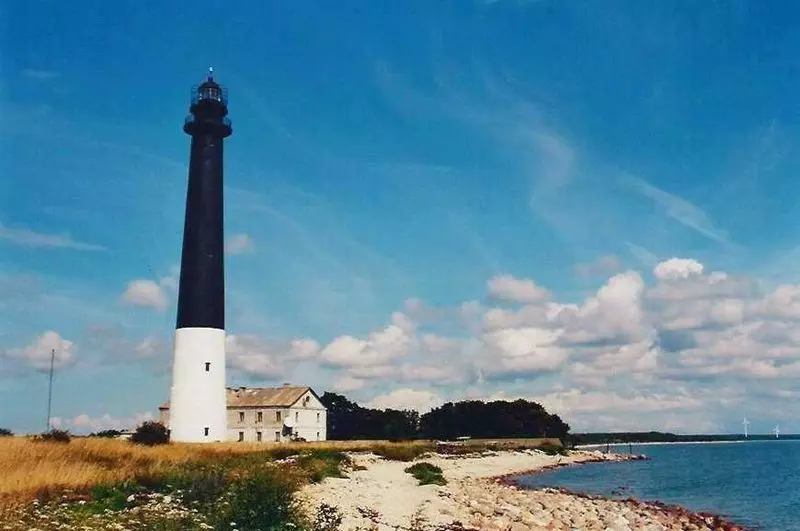 Leuchtturm auf Saaremaa bei Sääre, Südspitze der Sworbe-Halbinsel
Photo: varp (CC BY-SA 3.0) über Wikipedia
Leuchtturm auf Saaremaa bei Sääre, Südspitze der Sworbe-Halbinsel
Photo: varp (CC BY-SA 3.0) über Wikipedia
Quick facts: Saaremaa
- Saaremaa is Estonia’s largest island, located in the Baltic Sea.
- Kuressaare is the main urban center, with a castle, promenade, and visitor amenities.
- Coastlines, forests, villages, windmills, and lighthouses are scattered across the island.
- Ferries, vehicles, bus connections, and distances all factor into planning your day.
- Pärnu, Tallinn, Tartu, and Narva are mainland or city stops that each require their own time allocation.
- Check schedules, weather, seasonal opening hours, accommodation, and nature protection rules before your trip.
Ferry connections, distances around the island, and the desired mix of city, coast, and nature are key to planning a trip to Saaremaa. Kuressaare makes a convenient base, while remote peninsulas and scenic destinations require more driving time. The official travel information for Saaremaa can help you prepare; check schedules, opening hours, and seasonal offers shortly before your trip.
Kuressaare and the island’s settlements
Kuressaare brings together a compact town, its castle, promenades, and visitor amenities. The town makes a relaxed place to begin or end a stay on the island. Even if nature is your main focus, set aside time for a walk around town, as accommodation, shopping, and transport are easier to arrange here than in more remote parts of the island.
Beyond Kuressaare, villages, forests, stretches of coast, and open land alternate across the island. Windmills, lighthouses, and peninsulas are not necessarily close to one another. Choosing two or three destinations per day is usually more realistic than trying to tour the whole island. Allow extra time for photo stops and short walks, especially when the weather is changeable.
Discover nature and the coast
Saaremaa is well suited to walks, birdwatching, cycling, and quiet stays by the sea. Conditions along the coast can change with the wind, rain, and soft ground. Comfortable shoes, a windproof layer, and an offline map are therefore more useful than an overly tight schedule. When visiting protected areas or sensitive natural habitats, stick to marked paths and follow local guidance.
The island fits easily into a wider trip around Estonia. Tallinn is the arrival or departure point for many travelers, while Tartu offers an urban cultural contrast. Pärnu works well as a mainland coastal stop, and Narva as an eastern destination. Using the Estonia travel information and planning for a wider Baltic trip can help you decide how much time you can really spend on the island.
Getting there and staying
The ferry crossing is an important part of the planning. Consider the departure time, whether you are taking a vehicle, the weather, and how long it will take to reach your accommodation. If you are traveling without a car, check in advance how you will get to your planned destinations. Having your own vehicle gives you more flexibility on the island, but you should still factor in fuel stops, the return journey, and the length of each day’s drive.
For a day trip, Kuressaare and one nearby destination are realistic. Two to four nights allow for a more relaxed mix of town, coast, and countryside. Accommodation and ferry services may be in greater demand during peak season. Outside the main season, check which restaurants, museums, and excursions are actually open.
For cyclists and hikers, distance matters more than the number of places visited. Wind, rain, and uneven paths can slow you down. A shorter leg with a longer break by the sea is often more restorative than a complete circuit of the island. If you are traveling with children, also plan safe places to stop and make sure you return before dark.
Plan Kuressaare, the coast, and island routes
Saaremaa is easier to explore when you plan Kuressaare, the coast, and the countryside as separate focus areas. Estonia provides the wider context; Pärnu is a coastal stop on the mainland, while Tallinn can serve as your arrival point or a big-city stop.
Kuressaare is a good base for visiting the castle, promenade, shops, and for getting your bearings. When planning other island destinations, Narva and Tartu should not be treated as nearby places; they belong on a longer route and require their own travel time. The Baltics helps put the island in a wider regional context.
Before booking, check the latest information on getting there and transport and trip preparation. The official Saaremaa travel information provides additional guidance on island destinations; confirm ferry services, vehicle transport, accommodation, weather, opening hours, and nature protection rules for your travel dates.
FAQ about Saaremaa
How many days do you need for Saaremaa?
One day is enough for Kuressaare and a nearby destination. Two to four nights leave more room for coastal stretches, villages, nature, and weather-related changes.
Can you travel around Saaremaa without a car?
It is possible, but you will need to check bus connections, transfers, bicycle availability, and seasonal opening hours carefully. Remote destinations are not equally easy to reach.
What should you keep in mind when taking the ferry?
Plan the departure time, vehicle transport, weather, waiting time, and journey to your accommodation together. Allow enough time for the return trip.
What should you bring for coastal walks?
A windproof layer, sturdy shoes, rain gear, water, and an offline map are useful. In sensitive natural areas, stick to marked paths and follow local rules.
