
Hungarian Cuisine: Dishes, Markets, and Food on the Go
Hungarian cuisine brings together bold spices, soups, stews, pastries, and regional produce. When traveling, ingredients, meal times, location, and current offerings all matter.
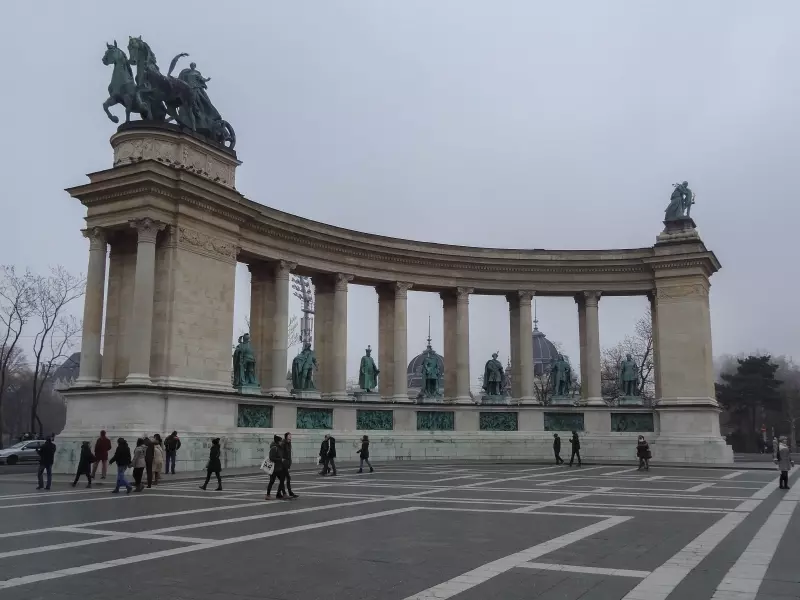 Heldenplatz in Budapest als symbolisches Motiv für die Verbindung von Stadtbesuch und ungarischer Kultur.
Photo: tp
Heldenplatz in Budapest als symbolisches Motiv für die Verbindung von Stadtbesuch und ungarischer Kultur.
Photo: tp
Quick facts: Hungarian cuisine
- Paprika, onions, and slow-cooked dishes feature in many—but not all—recipes.
- Depending on the language and region, goulash can refer to different preparations.
- Markets, bakeries, and eateries offer different glimpses of everyday food culture.
- Check the current menu for desserts and vegetarian options.
- Wine, beer, coffee, and non-alcoholic drinks suit different occasions.
- If you have allergies or are sensitive to spicy food, it is important to ask directly.
Flavors and regional differences
Hungarian cuisine is often associated with paprika, onions, soups, stews, meat dishes, pasta, pastries, and desserts. These are useful starting points, but they do not represent a complete menu. Offerings, meal times, and restaurant styles can vary considerably between the capital, smaller towns, lakeside areas, and wine regions. When traveling through Hungary, it therefore makes sense to consider the dish, occasion, and location together.
For a broader perspective on Hungarian dishes, the information on regional cuisine is useful. Visitors to Tokaj or Eger may connect their culinary experience with the landscape, history, or wine-growing traditions. The specific offerings, however, depend on the establishment, season, and current menu.
How to order typical dishes
Goulash, paprikash, and various soups may sound similar but refer to different preparations. Pasta, dumplings, vegetable sides, and desserts are also interpreted differently from one region or family to another. When ordering, it helps to ask about ingredients, spiciness, meat, sides, and portion size. If you are vegetarian or have allergies, do not rely on the name of the dish alone.
A small selection of soup, a main course, and dessert can reveal more about food culture than an excessively long list. Markets and bakeries offer an easy way to get a feel for local food, while a restaurant meal takes more time and planning. The information on markets, cafés, and everyday food culture adds useful context when planning reservations, extra travel time, and a simple alternative.
Markets, cafés, and the rhythm of the day
Markets may offer seasonal produce, pastries, vegetables, fruit, cheese, cured meats, and regional products. When shopping, check hygiene, refrigeration, and packaging, as well as how long it will take to get back to your accommodation. In a café, coffee and a pastry can make for a short break, while a longer lunch needs a different place in your schedule.
In Budapest, meals can often be combined with sightseeing, but a central location does not guarantee that a place is open or has seats available. If you are planning museums, thermal baths, or excursions, avoid squeezing mealtimes too tightly between appointments. A travel checklist with a schedule can be useful.
Drinks and regional food culture
Wine, beer, coffee, mineral water, and non-alcoholic drinks suit different occasions. A wine trip is different from an impromptu glass with dinner; check the timing, return journey, and current availability separately. Beer and drink culture offers further insight into choices and customs, as well as the importance of keeping alcohol and driving safely separate.
If you are driving, stick to non-alcoholic drinks. For excursions, tastings, and late returns, a transfer, train, bus, taxi, or nearby accommodation may be a better option. Information on transfers and local transport is therefore just as much a part of planning a food-focused trip as deciding whether a reservation is actually needed.
Practical questions before your visit
Before dining, check opening hours, kitchen hours, payment methods, the menu, and whether you need a reservation. If the menu is in a language you do not understand, useful everyday phrases can help. Addresses and translations can remain available through offline maps and saved translations if you lose your connection while out and about.
Hungarian cuisine can be combined with culture and history, walks, and relaxation. More holiday ideas can help you choose the focus of your trip. Good food planning leaves room for regional differences, asks questions when something is unclear, and does not promise more than the current menu and local conditions can deliver.
For families, older travelers, and people with food intolerances, seating comfort, accessibility, waiting times, and an easy-to-understand menu also matter. Do not assume that children's meals or meat-free options will be available; it is best to check in advance or ask at the establishment. Even when visiting a market, a small selection that is easy to carry is better than a large shop without refrigeration. This helps keep the culinary side of the trip enjoyable and suited to your accommodation, daily itinerary, and other plans.
Frequently asked questions
Is goulash always the same dish in Hungary?
No. The name and preparation can vary by language, region, and establishment. The description on the menu is what matters.
What can I do if I have allergies?
Ask directly about ingredients, sides, and possible spiciness before ordering. If the answer is unclear, a simpler alternative is safer.
Where can I experience Hungarian cuisine?
At eateries, cafés, bakeries, and markets. Check the selection, hygiene, opening hours, and current offerings locally.
