
Yekaterinburg: A city in the Urals between Europe and Asia
Yekaterinburg is a large city in the Urals and an important waypoint for travel between the European part of Russia and Siberia. It does not resemble a traditional compact old town, but rather a sprawling regional metropolis with industrial heritage, museums, modern neighborhoods and long transport corridors. When planning a visit, it is therefore essential to assess the location of your accommodation and daily journeys realistically.
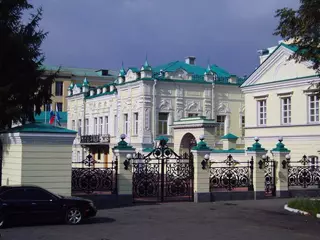 Gouverneurspalast von jekaterinburg ist das ehemalige Haus des Fabrikanten Grigory Zotov.
Photo: Hardscarf, Wikipedia / Gemeinfrei
Gouverneurspalast von jekaterinburg ist das ehemalige Haus des Fabrikanten Grigory Zotov.
Photo: Hardscarf, Wikipedia / Gemeinfrei
The common description of the city as being between Europe and Asia reflects its geographic and cultural position, but does not replace practical travel planning. Visitors to the region should check current entry, transport and safety advisories; the advice from the German Federal Foreign Office is one official source of information. The wider Ural region can be explored further through the Urals section.
Quick facts: Yekaterinburg
- Yekaterinburg is a sprawling city, so plan each day by neighborhood.
- Ural history, industrial heritage, museums and modern urban development complement one another.
- The city makes a good stop on a longer rail or Ural-region trip.
- Excursions to the geographic Europe–Asia boundary require extra travel time and up-to-date checks on access.
- Summer and early fall are often more pleasant for long walks around the city; in winter, cold weather and short days are important considerations.
- Choosing accommodation near your main area of interest saves time, even if it is not what you might consider the city center.
Cityscape and history
Yekaterinburg developed as an industrial and administrative center in the Urals. Its origins are reflected in the cityscape: wide streets, former factory sites, public buildings and a mix of residential neighborhoods. The city is also home to theaters, museums, churches, cafés and newer cultural venues. Visitors who go only to individual landmarks miss the connections between the region’s natural resources, transport and urban development. A walk through two contrasting neighborhoods can therefore be more illuminating than a long list of disconnected attractions.
For a first day, combine a central walking tour with a museum and some time by the water or in a park. The next day, you could focus on a historical or industrial theme. Opening hours, exhibitions and access arrangements can change, so check them directly shortly before your visit, especially if your trip revolves around a particular museum or guided tour.
The Urals and the Europe–Asia connection
The Urals are more than a photo stop beside a road, geographically, geologically and culturally. The landscape varies between city, forest, rock formations and industrial areas. An excursion to a boundary monument can be interesting, but it is not necessarily quick to reach. Travel time, weather, road conditions, daylight and the return journey to the city all need to be part of the same plan. If you have little time, you can explore the topic through museums and regional exhibitions instead.
For longer trips, information about Siberia is a useful complement. Russia and information about the Volga region can help put other stages of your journey in geographic context. Depending on your direction of travel, Moscow, Karelia or the Arctic North can also serve as points of comparison, though these destinations involve very different distances and conditions. Always check connections against current timetables and entry requirements. Older itinerary suggestions do not confirm that a route is accessible today.
Experiencing Yekaterinburg by train
For many travelers, Yekaterinburg is a stop on a longer rail journey. In that case, arrival time, luggage, the station’s location and the trip to your accommodation matter especially. Avoid packing too much into your schedule immediately after a long journey. A short walk, a meal and an early rest may make more sense than visiting several distant sights.
If you are traveling onward, choose accommodation that lets you reach the station without complicated transfers or long journeys. If you are using the city as a base for excursions, check return services and allow some extra time. With long distances, a single missed connection can change the entire day’s plans. Flexible time blocks and offline directions are therefore useful.
Museums, neighborhoods and everyday life
Yekaterinburg offers different ways to explore the city: art and theater, technology and industry, religious history, architecture and everyday life. Choose according to what you already know and what interests you. A specialist museum may be a main attraction for some, while other travelers may prefer to start with a broader overview of the city’s history. Markets, cafés and everyday streets add to the historical perspective without turning the visit into a museum-only itinerary.
The city’s size makes it important to plan your route well. You can combine sights in the same neighborhood, while crossing the city requires a break or its own time slot. Travelers with limited mobility, families and older visitors should check walking distances, stairs, winter conditions and places to sit in advance. The same applies to excursions outside the center.
Seasons and practical preparations
In summer and early fall, long city walks, parks and excursions are easier to plan, though the weather can still change quickly. In winter, cold, snow and short days can significantly shorten the day’s activities. Spring and fall fall between these extremes but can bring changeable conditions. A specific weather forecast, suitable clothing and a plan that includes both indoor and outdoor activities matter more than a blanket recommendation for any particular season.
Before departure, check your passport, entry requirements, insurance, payment options, mobile service, accommodation and transport. For museums, monuments and boundary markers, current access information is what matters. If taking photographs, respect local rules. A trip through the Urals is also more rewarding when you leave time for meals, breaks and spontaneous observations of city life.
Neighborhoods, Ural history and excursions
Yekaterinburg is easier to navigate if you organize each day by neighborhood. You can combine a cultural focus, such as a museum or historic street, with a walk in the center; avoid squeezing a distant destination into the same time slot as well. Yekaterinburg can be understood as a city in the Urals, while other stops in Russia can be added according to distance and transport connections. Further information about the Urals and Russia can help with practical planning.
A visit to the Europe–Asia boundary can be a separate excursion. Check the route, road conditions, weather, daylight, access and return journey to the city in advance. If you want to see more of the Urals, compare Ufa and other regional destinations not just by their location on the map, but also by connections and the time needed to visit. Meals, breaks and a flexible time slot are all part of a realistic day in the city.
For current questions about entry, safety and transport, consult the country information from the German Federal Foreign Office. Check details about museums, monuments and individual excursion destinations with the relevant organization shortly before your visit as well.
FAQs about Yekaterinburg
How many days should I plan for?
One full day is enough for a first impression of the city and one cultural highlight. Two or three days give you time for museums, different neighborhoods and a carefully planned excursion.
Is Yekaterinburg a compact city?
No. The city is sprawling. Group destinations by neighborhood and transport route so that transfers do not take up most of the day.
What should I keep in mind when visiting the Europe–Asia boundary?
Check travel time, weather, daylight, road conditions, access and the return journey using current information. Do not squeeze a boundary monument into a tightly scheduled day in the city without leaving extra time.
Yekaterinburg is best understood through the interplay of big-city life, the Ural region, industrial heritage and long transport corridors. With clear priorities and realistic travel times, the city becomes a destination in its own right rather than just a stop along the way.
