
Driving in Serbia: Traffic, Tolls, and Travel Planning
Anyone driving through Serbia should plan the journey around more than just the distance. Border wait times, tolls, breaks, fuel stops, and the differences between motorways and country roads can significantly affect the actual travel time. This makes it possible to prepare realistically for a transit journey or a road trip that includes Belgrade, Novi Sad, or destinations in the south of the country.
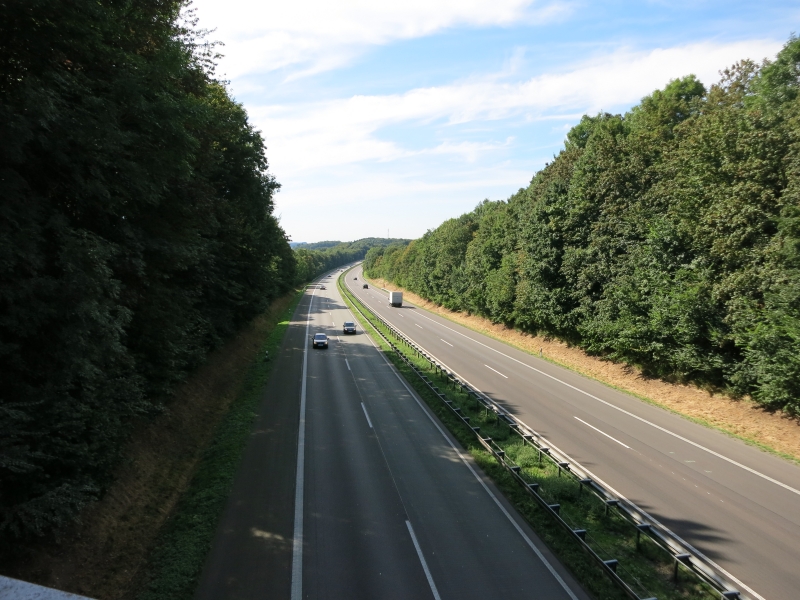 Autobahn durch bewaldete Landschaft als Symbolbild für Autofahrten.
Photo: Markus Lenk
Autobahn durch bewaldete Landschaft als Symbolbild für Autofahrten.
Photo: Markus Lenk
Key facts: Driving in Serbia
- Tolls on Serbian motorways are charged by distance using a closed toll system.
- Check the current document and insurance requirements for entry and for your vehicle.
- Border crossings can be busier or quieter depending on the day of travel, season, and time of day.
- On country roads, allow for built-up areas, roadworks, sections with limited visibility, and changing road conditions.
- If you are renting a car, confirm permission for cross-border travel, insurance cover, and any border fees before picking it up.
- Plan tolls, fuel stops, and breaks for the return journey just as you would for the outward trip.
Before setting off: check documents and route
Good preparation starts with your personal documents and vehicle papers. The guidance on entry and documents provides a general overview; requirements for passports and personal documents should also be checked based on your nationality, route, and vehicle. If you are using your own vehicle, take the vehicle registration certificate, driving licence, proof of insurance, and, if necessary, authorisation from the vehicle owner. If you are renting a car, check the rental company’s terms in writing.
A travel checklist with a schedule can help with the practical details of setting off. The relevant authorities may change requirements, so checking the German Federal Foreign Office’s travel and safety advice shortly before departure is a useful additional step. It is not a substitute for individual legal or insurance advice.
Tolls on Serbian motorways
Motorway tolls in Serbia are calculated by distance and vehicle category using a closed system. A ticket or electronic record is issued upon entry, and the amount due is calculated when you exit. The official Road toll page from Putevi Srbije describes the current payment methods and conditions. As fees, open lanes, and technical procedures may change, travellers should check the information there before each long drive.
When planning your route using the guidance on getting there and traffic, you can factor in toll plazas, time at the border, and breaks together. Cash and a second payment method are still useful when travelling through the country. If you use an electronic toll system, check in advance that the device or account is compatible with your specific vehicle and route.
Planning border crossings and journey stages
Serbia lies on important routes between Central Europe and the Balkans. A journey from Hungary or Croatia towards Serbia can continue south via Belgrade; Belgrade and Novi Sad also work well as destinations for individual stages. If your journey crosses several countries, check the documents and entry requirements for each country you will enter rather than focusing only on the Serbian leg.
Allow extra time at the start of school holidays, on public holidays, and at weekends. Staying near the border or at your first overnight stop may be more relaxing than continuing for a very long distance after a wait. For parts of your journey by bus, train, or ferry, see the additional guidance on long-distance buses and ferries and train travel and stations.
Motorways, country roads, and city traffic
On motorways, it is usually easy to plan tolls, fuel stops, and breaks. On country roads through smaller towns or hilly areas, allow more time and pay close attention to road signs. Check current official information on speed limits, overtaking rules, and required equipment, as general guidance can quickly become outdated. Defensive driving is especially important in rain, fog, darkness, or winter conditions—more so than arriving on a tightly planned schedule.
In Belgrade and Novi Sad, heavy traffic, one-way streets, and finding parking all require specific planning. If you only need a car for the intercity part of your journey, consider whether it would be more convenient to leave it on the outskirts and continue by public transport. For getting around locally, see the guidance on car rentals and local driving and transfers and local transport.
Practical preparations for long stages
Water, light snacks, an offline map, and a fully charged power bank are useful on long journeys. Take regular breaks and do not continue driving when tired just to catch an earlier ferry or reach your accommodation sooner. For a family trip, plan a shorter daily stage. If you are looking for accommodation, combine the general holiday overview with the places actually along your route.
Before driving back, take a moment to check the weather, traffic conditions, fuel level, and toll payment. This will leave you room to adjust your route if a border crossing or roadworks take longer than expected.
FAQ
How are tolls paid in Serbia?
Motorway tolls depend on the distance travelled and the vehicle category. Check the current payment and usage conditions directly with Putevi Srbije before travelling.
What documents do I need to drive in Serbia?
This depends on your nationality, who owns the vehicle, and your route. Make sure you have all personal identification, vehicle documents, and proof of insurance. Consult official sources for current requirements.
Is it practical to drive through Serbia in a single day?
That depends on your starting point, time at the border, and destination. A realistic stage that includes breaks and extra time is safer than relying on the driving time shown by a route planner alone.
What should I keep in mind when renting a car?
Before booking, explicitly confirm whether cross-border travel is permitted and clarify insurance cover, the excess, and any additional fees.
