
Serbia: Cities, the Danube and Balkan landscapes
Accommodation in Serbia
Serbia lies in the heart of the Balkans, linking the Danube, major rivers, cities, fortresses, monasteries and inland landscapes. The country can serve as a stopover, a city-break destination, part of a circuit or a destination in its own right. The Tourism Organisation of Serbia and Belgrade visitor information offer up-to-date guidance; specific timetables, border conditions and opening hours should also be checked before departure. Serbia can be easily incorporated geographically into a Balkan route with Hungary, Croatia and Bosnia and Herzegovina.
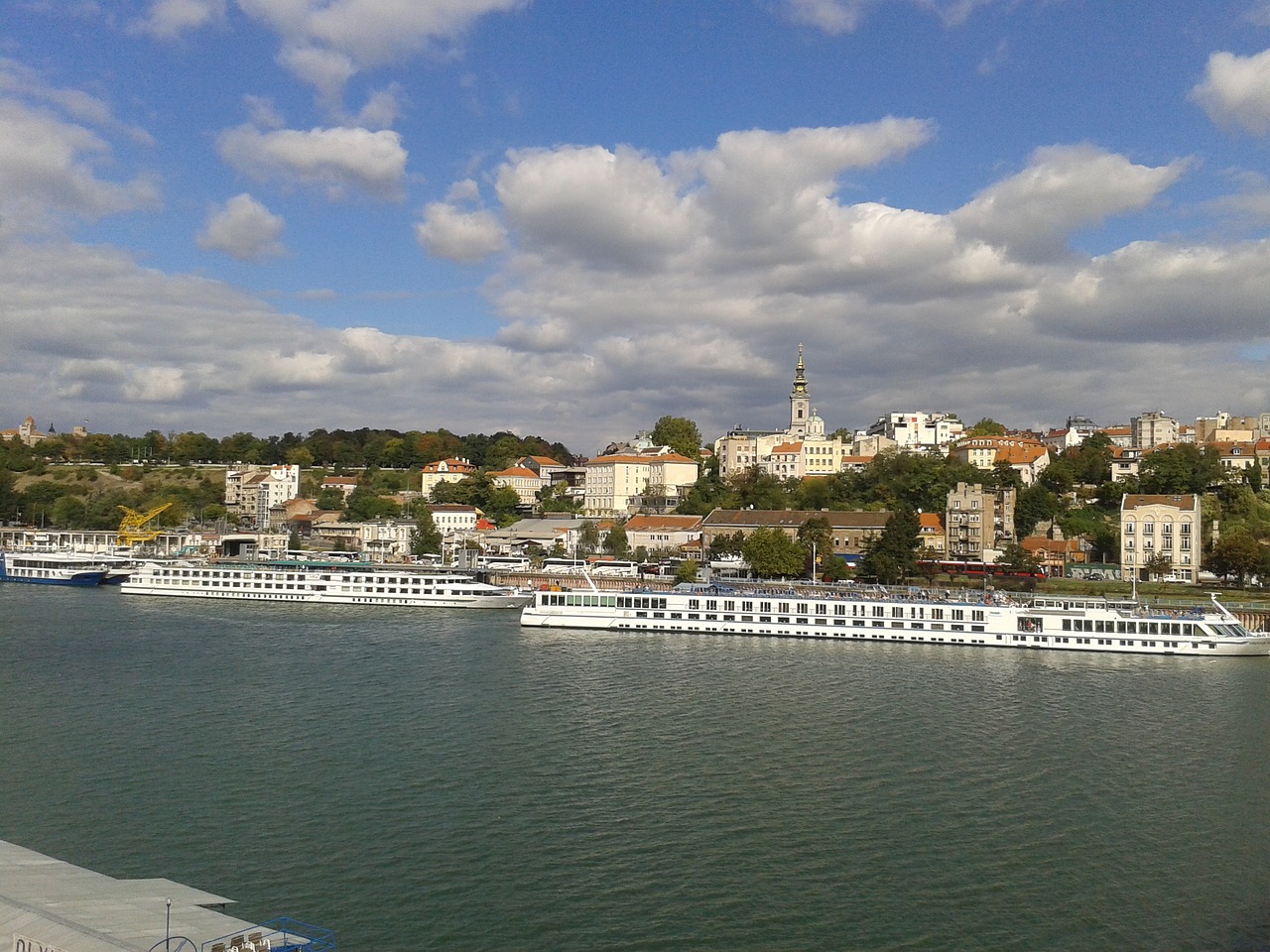 Belgrad in Serbien ist ein wichtiger Halt für Flusskreizfahrten
Photo: Aleksandar Ciric auf Pixabay
Belgrad in Serbien ist ein wichtiger Halt für Flusskreizfahrten
Photo: Aleksandar Ciric auf Pixabay
Key facts: Serbia
- Serbia lies in the heart of the Balkans and is a landlocked country on the Danube, Sava and other rivers.
- Belgrade and Novi Sad offer contrasting experiences of big-city life, fortresses, riverfronts and Vojvodina.
- Monasteries, historic towns, natural areas and regional cuisine each call for dedicated time.
- Geographically, a route through Serbia can be combined with Hungary, Croatia, Romania or Bosnia and Herzegovina.
- Long distances, border crossings, and rail and road connections affect the order of itinerary stops.
- Check entry requirements, transport, opening hours, weather and current safety information before travelling.
- Belgrade is the main urban starting point, with a fortress, rivers, museums and distinctive neighbourhoods.
- Novi Sad brings together the Danube, Petrovaradin Fortress, the old town and the landscapes of Vojvodina.
- Serbia is landlocked; its geographical profile does not include coastlines or beach resorts.
- Monasteries, medieval churches and Roman and Ottoman traces give different regions their distinctive character.
- Mountains, gorges, rivers and spa towns are well suited to quieter stops away from the capital.
- Distances, border crossings, timetables and seasonal conditions affect an itinerary more than the map alone might suggest.
Belgrade between the Sava and Danube
Belgrade lies at the confluence of the Sava and Danube and is many travellers’ first encounter with Serbia. Kalemegdan Fortress, the riverfronts, historic streets, markets and museums can be combined in different ways over several days in the city. If you have only a short stay, it is better to choose one focus rather than try to cover all the outer districts as well. For longer stays, Zemun, the riverfronts and various residential and cultural neighbourhoods complement a central sightseeing itinerary.
The city feels very different depending on the season and time of day. Summer evenings by the rivers can coincide with a packed events programme, while in winter indoor attractions, cafés and museums become more important. Prague and Kraków are comparable as other Central European city-break destinations, but Belgrade has a character all its own thanks to its riverside setting, more recent urban history and position in the Balkans.
Novi Sad, the Danube and Vojvodina
Novi Sad makes a good second city stop. Petrovaradin Fortress stands above the Danube, while the old town has squares, pedestrian streets, cafés and cultural venues. The city can be visited on a day trip from Belgrade or as a destination in its own right. When planning, connect Belgrade and Novi Sad based not only on distance, but also on the time you want to spend in each and the available transport.
Vojvodina, north of the Sava and Danube, is characterised more by plains, agriculture, a multilingual history and smaller towns. If you want to experience the landscape and everyday life, add an extra stop between the cities. For a Danube trip, it may also be interesting to make a thematic connection with the Dnieper as another major European river, without equating the regions.
Monasteries, history and nature
Serbia has numerous religious and historic sites. The medieval monasteries of Studenica, Sopoćani and the Raška region represent different periods in Serbian history. The UNESCO description of Stari Ras and Sopoćani is a reliable basis for understanding their historical context. Before visiting, check access, opening hours and local rules; a monastery is not merely a viewpoint and should be treated with respect.
Outside the cities, options range from Tara and Zlatibor to gorges and river valleys, as well as spa towns. These destinations need more time than a quick detour from Belgrade. Montenegro, Albania and North Macedonia can be added as further Balkan stops, but allow extra time for border queues, road conditions and seasonal traffic.
Transport and when to travel
Belgrade and Novi Sad are easy to combine on a short city break. A more extensive circuit that includes monasteries and natural attractions is easier by car or with a carefully planned combination of bus and train. Check timetables, return journeys, accommodation locations and public holidays in advance. Spring and autumn are often pleasant for city walks and road trips; in summer, heat, events and increased demand can change the pace of the day.
If you are using Serbia as a transit country, avoid planning overly long daily drives. Waiting times between Belgrade, border crossings and other Balkan countries can disrupt your schedule. An itinerary with only a few fixed bases leaves room for breaks, local discoveries and changes in the weather. To put Serbia in its regional context, compare neighbouring Balkan destinations by distance, border location and type of trip. Additional information about the Balkans can help with practical preparations.
Combining Belgrade, Novi Sad and the inland
Serbia suits travellers who want to combine cities, rivers, history and landscapes on a Balkan route. Belgrade lies on the Sava and Danube and offers a big-city focus, while Novi Sad is more closely associated with the Danube, Petrovaradin and Vojvodina. Given their size and the time needed to get around, allow a dedicated block of time for each destination.
The country is not a coastal destination; it is explored through its rivers, plains, low mountains, monasteries and historic places. Hungary, Croatia, Romania and Poland can be included in a wider Central European itinerary, but travel times and border conditions should not be planned on the basis of map distance alone. For culture and scenery, see Culture and history and Nature and landscapes.
Before booking, check the latest information on getting there and getting around, entry requirements and documents and travel preparation. The official Serbia tourism information provides additional regional guidance; also consult the latest travel advice for Serbia. Confirm timetables, opening hours, weather and return journeys for your travel dates.
FAQ about Serbia
How many days do you need for Serbia?
Several days are a good idea for Belgrade and Novi Sad. If you also want to see monasteries, natural attractions or other regions, plan a longer itinerary with a few well-connected stops.
Can you combine Belgrade and Novi Sad?
Yes, both cities fit well into a trip to Serbia. Check the current train or bus connections, accommodation, luggage arrangements and return journey for your specific travel date.
Can you tour Serbia without a car?
Cities and some regional destinations can be reached by train, bus or transfer. For remote monasteries and natural areas, connections and return journeys need to be checked individually.
What should you check before entering the country?
Confirm your documents, border conditions, transport connections, accommodation, payment methods, opening hours and current safety information shortly before travelling.
