
Kazan Station
Kazan Station can be considered as a travel option when the route, season, transport, and current conditions all align. Not every historical description corresponds to an option available today. Therefore, check specific locations, access, opening hours, and safety information again before making a decision.
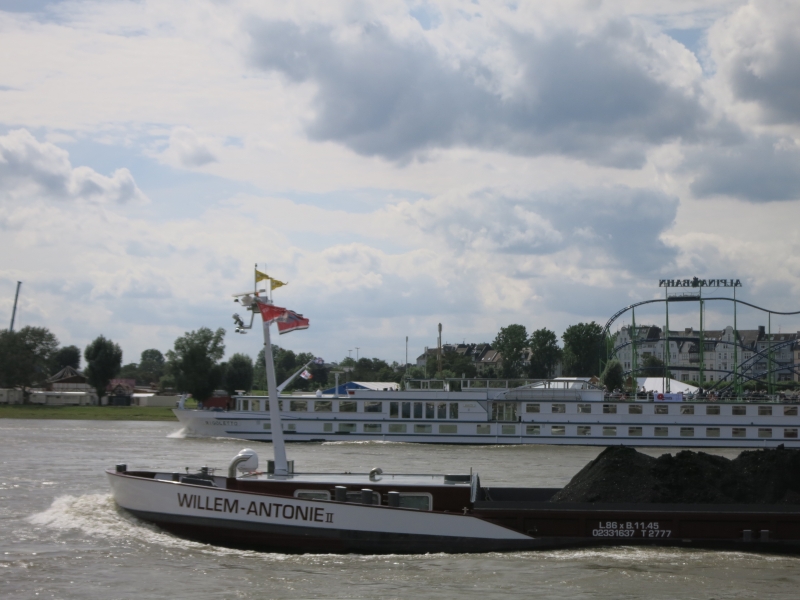 Ein Flusskreuzfahrtschiff und ein Frachtschiff auf breitem Wasser unter wechselndem Himmel.
Photo: Markus Lenk
Ein Flusskreuzfahrtschiff und ein Frachtschiff auf breitem Wasser unter wechselndem Himmel.
Photo: Markus Lenk
Kazan Station at a glance
- The subject can look very different depending on the region, season, and your personal travel destination.
- Plan a specific route with realistic travel times and enough breaks.
- Current operating, entry, and safety information is more important than old accounts of past experiences.
- Local rules, permission to take photographs, and consideration for residents or staff should all be part of your preparations.
- Planning alternatives helps you stay flexible in case of weather, traffic, or changes to what is available.
From Kazan Station in Moscow, trains travel to the Volga region, Siberia, Central Asia, and, of course, Kazan, the capital of Tatarstan. The main destinations served from Kazan Station include Astana (the capital of Kazakhstan), Adler / Sochi (on the Black Sea), cities in Siberia, Samara, and Nizhny Novgorod.
Kazan Station took 27 years to build (from 1913 to 1940). Its chief architect was the renowned architect Alexey Shchusev, who also designed Lenin’s Mausoleum in Red Square. Kazan Station is a striking and expressive example of Russian architecture. Its design draws on both traditional Russian motifs and elements of Oriental architecture (Kazan is the capital of Russia’s largest Muslim autonomous region, the Republic of Tatarstan). Prominent Russians such as Kustodiev and Roerich contributed to the building’s exterior design. The station restaurant deserves special attention. It is furnished in the style of an old Russian refectory, with vaulted ceilings and colorful murals.
Kazan Station is one of three railway stations located on Moscow’s former Komsomolskaya Square. The square was recently renamed “Three Stations Square.” In addition to Kazan Station (“Kazansky”), it is home to Yaroslavsky (“Yaroslavsky”) and Leningradsky (“Leningradsky”) stations.
The nearby Komsomolskaya metro station makes it easy to reach the railway station or travel from there to /901/russland/moskau-1239348585426/moskau/1.html.
Destinations, the metro, and finding your way around Kazan Station
When choosing a railway station in Moscow, Kazan Station should be considered in relation to your train destination, metro access, and accommodation. The information on rail travel and railway stations can help you prepare. For your specific journey, check your ticket, departure time, platform, luggage, and return route directly. Allow extra time for visiting Three Stations Square and taking an architecture tour, so you are not rushing to catch your train.
Rail travel and railway stations and Travel checklist and itinerary and Passport and personal documents and Transfers and local transport can help you prepare when routes, timing, and current conditions are considered together.
Rail travel and railway stations and offline maps and Card, cash, and a second payment option and more vacation ideas can help you prepare when routes, timing, and current conditions are considered together.
At Kazan Station, the main considerations are train destinations, Three Stations Square, metro access, and getting around with luggage. If you are visiting the building for its architecture or continuing your journey from here, allow separate time for sightseeing and departure. Check the timetable, access, and return route for your specific date. Older information about routes to Siberia, Central Asia, or Kazan does not necessarily describe services currently available.
FAQ
How can I include this in an itinerary?
Fit it into a realistic day or multi-day itinerary, and allow for travel time, breaks, and an alternative.
Which details need to be up to date?
Check access, opening hours, transport, costs, and any safety or entry requirements just before your trip.
What should I bear in mind about older information?
Older texts can explain the history and geographical context; current decisions require additional sources.
