
Moscow Railway Stations: Train Directions, Transfers, and Travel Planning
Moscow has several long-distance railway stations, and their locations and train directions are crucial for planning a journey. If you need to catch a train or continue your trip after arriving, you need to know the exact station, the right way to get there within the city, and allow enough time for travel and transfers.
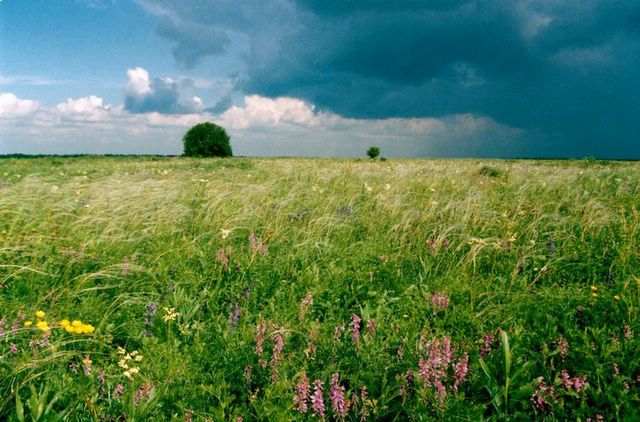 Weite blühende Graslandschaft unter bewegtem Himmel im Wolga-Raum.
Photo: Alexander Dobrolubov
Weite blühende Graslandschaft unter bewegtem Himmel im Wolga-Raum.
Photo: Alexander Dobrolubov
Quick facts: Moscow railway stations
- This topic covers several railway stations in Moscow, not just one station complex.
- The direction of travel and the specific timetable determine which station you need.
- Metro access, luggage, exits, and transfers are all practical considerations.
- Getting around this large city may take extra time because of traffic, weather, or delays.
- Check operating arrangements, access, costs, and entry and security requirements for the latest information.
Moscow’s railway stations are key reference points for many trips around Russia, as long-distance rail, the metro, and city transport converge here. When dealing with Moscow’s railway stations, first check the direction of your train, the station, and how you will continue across the city. For the rest of the trip, focus on realistic travel times, adequate breaks, and a clear itinerary.
Overview and travel style
The station network is shaped by several terminal stations, different train directions, large metro stations, and heavy city traffic. For planning purposes, consider distances, the time of year, modes of transport, and the exact locations of connections together. In Russia, short city journeys, long train rides, vast distances, and seasonal conditions can significantly affect the course of a trip.
For travelers, it is essential to know the exact departure station rather than treating Moscow as a single starting point. A realistic plan sets a few fixed stops and leaves time in between for getting around. This is helpful on arrival days, after long bus or train journeys, and in regions where weather, the season, or local holidays can change the day’s plans.
Cities, landscapes, and culture
Station buildings, entrance areas, metro connections, departure boards, luggage routes, and security checks all factor into getting around. A good itinerary combines well-known places with quieter stretches. Capitals, old towns, museums, and markets provide a sense of direction, while coastlines, mountains, rivers, lakes, and spa towns change the pace and make a trip feel less hectic.
With luggage and tight connections, journeys can feel longer than expected. It is especially helpful to choose one clear focus for each day. A museum, neighborhood, viewpoint, or leg through the countryside is more memorable than an itinerary that packs too many stops into a short time.
Routes and combinations
The station list is relevant for Moscow, airport transfers, and onward travel toward the Golden Ring, the Volga, St. Petersburg, or Siberia. Kursky Railway Station Rizhsky Railway Station Moscow airports The best combinations follow real transport corridors and related topics. A country page can help you organize ideas, but it does not replace checking individual journeys, places to stay, and seasonal connections.
If you are traveling between two railway stations, an airport, and your accommodation, plan the metro connection, taxi time, and a buffer together. For round trips, choosing two to four well-placed bases is often more comfortable than changing locations every day. From there, you can better combine excursions, city visits, and nature destinations. If you are traveling by car, consider parking and road conditions; for buses and trains, frequency, transfers, and the return journey matter more than straight-line distance.
When to travel and practical tips
In winter, weather and clothing can slow you down; in summer, visitor numbers and city traffic play a bigger role. Spring and autumn are often good for cities, round trips, and active days outdoors. Summer is particularly suited to coastlines, lakes, long evenings, and mountain regions, but can put greater pressure on accommodation and transport. In winter, short journeys, museums, cafés, thermal baths, and winter sports destinations become more important.
Before departing from Moscow or continuing onward, coordinate the station, route, and day’s plans. For each station, check current timetables, access arrangements, security checks, and the route with luggage. Allowing extra time for traffic and transfers helps prevent a tight connection from dictating the entire stay.
Plan Moscow’s railway stations safely into your route
Moscow’s railway stations are spread across the city and serve different directions and long-distance routes. It is therefore essential for travelers to check the exact station name, metro station, and transfer time they will need well in advance.
Allow plenty of time, especially for overnight trains, luggage, airport transfers, or onward travel on the same day. Treating railway stations not just as names but as actual journeys through city traffic helps you avoid unnecessary stress and make better use of Moscow as a transport hub.
Practical preparations
It is best to compare Moscow’s different railway stations in relation to train direction, the metro, and your accommodation. For detailed preparation, consult information on rail travel and railway stations, a travel checklist and schedule, and maps saved for offline use. If your trip involves several stations, note each departure point and return route separately.
Rail travel and railway stations and travel checklist and schedule and passports and personal documents and transfers and local transport can help you prepare when you consider routes, timing, and current conditions together.
Rail travel and railway stations and maps saved offline and card, cash, and a second payment option and more vacation ideas can help you prepare when you consider routes, timing, and current conditions together.
In Moscow, train travel planning starts with choosing the right station. Train direction, metro access, the route to your accommodation, and your luggage all need to be factored in before departure. If you are traveling between multiple long-distance stations, treat each journey as a separate leg and allow extra time for traffic, security checks, and finding your way. Check the timetable and station access for your specific travel date. If you have a packed schedule in the city, plan your return journey as early as your outward one.
Moscow has several long-distance railway stations, each serving different directions. For your route, it is not just the train connection that matters, but also the journey from your accommodation to the right station. Information on rail travel and railway stations provides the general context; when comparing individual departures, consult details about Kursky Railway Station, Rizhsky Railway Station, and Savyolovsky Railway Station.
Before continuing your journey, consider Moscow, the exact metro station, the walk with your luggage, and the time buffer you will need. The travel checklist, personal documents, transfers and local transport, and maps saved offline can help you prepare. If you also have a Moscow airport transfer planned, allow a separate block of time for it.
Conclusion for planning your trip
Moscow’s railway stations are easy to use when you know the station names, metro access, and transfer times in advance. A well-planned trip brings together the destination, the time required, and your own interests.
FAQ
How can I fit this topic into an itinerary?
Make it part of a realistic day or multi-day itinerary, and plan for travel time, breaks, and an alternative.
Which details need to be up to date?
Check access, opening hours, transport, costs, and any security or entry requirements shortly before your trip.
What should I keep in mind about older information?
Older texts can explain history and geographical context; current decisions require additional sources.
For current travel to Russia, you should also check the travel and security advice from the German Federal Foreign Office.
