
Vilnius: Old Town, Churches, Museums, and Neighborhoods
Vilnius is the capital of Lithuania and a varied destination for a trip to the Baltics. The city combines a large historic Old Town with churches, museums, university life, parks, and modern districts. When planning, the number of attractions is not the only thing that matters. The distances between areas, where you stay, how long you want to spend there, and whether you want to include an excursion outside the city are also important.
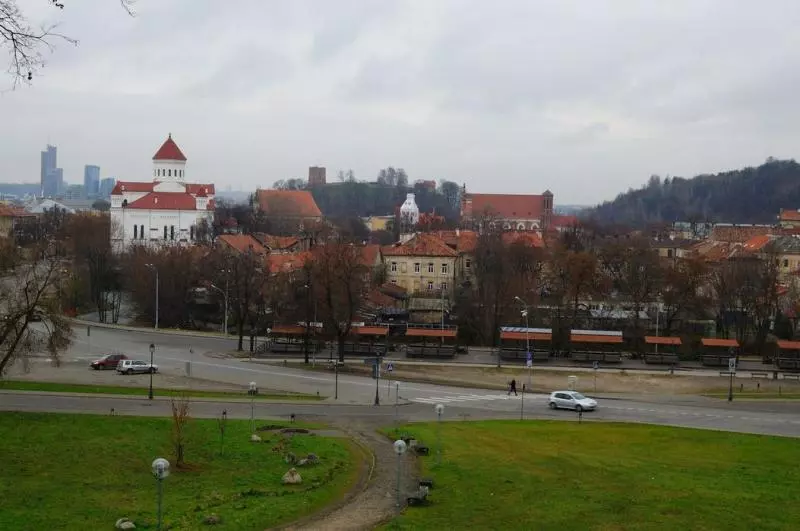 Vilnius (Wilna) im Herbst
Photo: Dmitriy Zuev
Vilnius (Wilna) im Herbst
Photo: Dmitriy Zuev
At a glance: Vilnius
- Vilnius is Lithuania’s capital, combining a historic Old Town with modern districts.
- Churches, courtyards, Gediminas Hill, and museums cannot all be covered in one short walk.
- Two or three full days allow for a more relaxed itinerary with breaks and indoor visits.
- Trakai makes a good standalone excursion, with its island castle and lake scenery.
- Kaunas, Klaipėda, Neringa, and Palanga offer a different focus from the capital.
- Check opening hours, transport, weather, accommodation, and entry requirements before your trip.
- Vilnius’s historic Old Town is one of Lithuania’s defining cultural sites.
- The cathedral, Gediminas Tower, churches, courtyards, and museums do not all fit into the same walking tour.
- For a first visit, two to three full days are usually better than a very brief stopover.
- Trakai makes a good standalone excursion, with its island castle and lake scenery.
- Kaunas, Klaipėda, and the Curonian Spit offer a different focus from the capital.
- Check the weather, opening hours, transport, and entry requirements before finalizing your trip.
Old Town, hills, and historic landmarks
The Old Town is the natural starting point for your first day in the city. Cobblestone streets, squares, churches, courtyards, and varied architectural styles are packed into a small area, but the walking quickly adds up. If you plan restaurants and cafés in Vilnius not just for the evening but also for breaks, you can tailor your walk to your own pace. Comfortable shoes and a little extra time are more useful than an overpacked schedule.
Gediminas Hill and the cathedral help you get your bearings. Viewpoints are especially rewarding in good weather, but stairs, wind, or changing access routes can make them more strenuous than expected. Choose churches and museums according to your interests. This leaves room to explore the less familiar lanes and the transition between the historic center and everyday city life.
Districts, museums, and everyday life
Vilnius is more than its best-known landmarks. University areas, markets, creative uses of old buildings, and quieter residential districts show how the capital moves between history and the present day. A second day can therefore have a different feel from the first: visit a museum or historic site in the morning, then head to a park, a riverside route, or a café-filled neighborhood. On rainy days, several smaller indoor attractions are often more enjoyable than an itinerary spread across distant locations.
Choose accommodation that suits your itinerary. A central location shortens the walk back in the evening, while staying near good transport links makes excursions easier. If you arrive by car, check parking rules and access to your accommodation in advance. Without your own vehicle, proximity to the Old Town, train station, and bus connections—and getting back after a late dinner—matters more than a supposedly cheaper out-of-the-way location.
Trakai and other destinations in Lithuania
An excursion to Trakai adds an island castle and lake scenery to a stay in Vilnius. Plan it as a separate part of your trip, since visiting the castle, walking by the water, and traveling there and back take longer than a quick photo stop. Kaunas is another Lithuanian city with its own character, better suited to a longer route or an extra day’s stay.
If you want to include the Baltic coast, you can compare Klaipėda, Neringa, and Nida. These destinations are not close to Vilnius. Palanga and Šiauliai also offer a different focus. Your route will be more practical if you avoid cramming the capital, the coast, and several other stops into just a few days.
Seasons and preparation
Spring and summer are good for long walks around the city, parks, and excursions, though demand and weather conditions vary. In autumn, changing colors and quieter routes can be appealing; in winter, cold, short days, and possible ice affect the pace. Museums, churches, and restaurants offer useful alternatives. Check opening hours and events rather than relying on older guidebooks.
The official Lithuania tourism website is a useful starting point. Vilnius’s historic center is also documented by UNESCO. Before booking, also check the latest entry and safety information, transport connections, accommodation location, and any parking options you may need.
Combining the Old Town, hills, and districts
The Old Town is a good starting point for exploring lanes, squares, churches, and courtyards. Gediminas Hill and the cathedral offer another focus; stairs, weather, and views all affect the pace. Museums and cafés provide flexible breaks if a long outdoor walk does not suit your plans.
An excursion to Trakai combines an island castle with lake scenery, but needs a separate block of time for the journey there and back. Kaunas offers a different city experience. If you want to include the coast, compare Klaipėda, Neringa, Nida, Palanga, and Šiauliai with realistic travel and overnight plans.
Plan restaurants and cafés in Vilnius, arrival and transport, and travel preparations around your stay. Lithuania Travel and the UNESCO documentation of the historic center offer further background. Check opening hours, weather, transport, and accommodation location before your visit.
Vilnius FAQ
How many days should I spend in Vilnius?
Two full days are enough for the Old Town, churches, central museums, and Gediminas Hill. Three days leave time for neighborhoods, breaks, and an additional excursion.
Is Trakai worth a trip from Vilnius?
Yes, if you set aside a separate block of time for the journey, the island castle, the lake scenery, and the return trip. Don’t squeeze Trakai into an already full day in the city.
Is Vilnius a good stop on a tour of the Baltics?
Yes. You can add Kaunas, the coast, or other Baltic capitals, as long as you allow realistic time for distances, transport connections, and overnight stays.
What should I check before visiting?
Check updated information on opening hours, admission, weather, transport, accommodation, excursion connections, and current entry requirements before your trip.
