
Plan a special type of trip to suit your own travel style
A trip does not always have to involve the same accommodation, the same city, and a fixed daily schedule. Round trips, train journeys, cycling tours, family holidays, or stays with a particular focus can change the pace and the way you prepare. The key is not to cram as much as possible into a trip, but to choose a style that suits your time, experience, budget, companions, and desired freedom of movement.
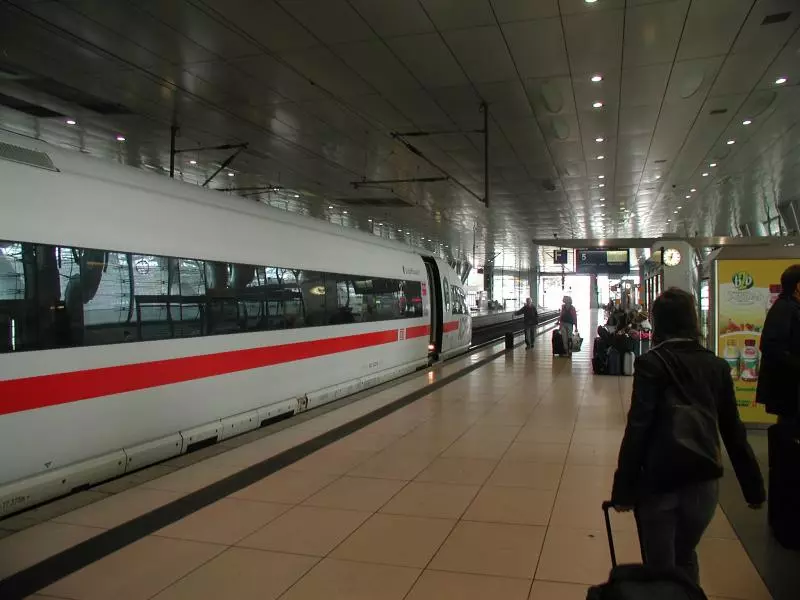 Ein Schnellzug steht an einem Bahnsteig, während Reisende mit Gepäck zur Halle gehen.
Photo: Markus Lenk
Ein Schnellzug steht an einem Bahnsteig, während Reisende mit Gepäck zur Halle gehen.
Photo: Markus Lenk
At a glance: Special types of travel
- Multiple stops require realistic travel times, contingency time, and a plan for the arrival and departure days.
- Check train, bus, and ferry connections for your specific route and travel date.
- Active holidays call for an honest assessment of your fitness, equipment, the weather, and your return route.
- For family trips, short legs, breaks, and accessible alternatives often matter more than a packed schedule.
- A trip with a clear focus is easier to plan than one that tries to combine too many different expectations.
- Free time makes special types of travel more flexible when the weather, transport, or your interests change along the way.
Which type of trip suits your pace?
If you enjoy connecting landscapes and places, you can plan a round trip with a few carefully chosen stops. For those who see the journey itself as part of the experience, a cycling trip or a longer train journey may be appealing. If you are mainly looking for relaxation, you can stay in one place and take selected excursions, and explore ideas for relaxation and wellbeing. A cultural focus is more likely to lead to museums, architecture, and history.
Your companions also influence your choice. Solo travelers can change plans more easily on the spur of the moment, while families and groups need shared breaks and clear agreements. For a trip that brings together several interests, it helps to decide on a common core first: scenery, physical activity, food, history, or a particular way of getting around. The other wishes can then be added around it.
Preparing for round trips and changing stages
When planning a round trip, do not judge the number of stops by distance alone. Even a short journey can feel longer because of transfers, luggage, check-in, or a confusing arrival. A sensible itinerary avoids placing demanding legs immediately after a long travel day. One or two longer stays give the trip a peaceful center and prevent every day from being spent simply moving on.
Include arrival times, the return journey, and a simple alternative in your notes. If a connection is canceled or the weather changes, an extra walk around town is often better than an overcrowded backup plan. The holiday ideas can help you choose additional focuses and put together suitable destinations; specific tips on more mindful travel may encourage longer stays or shorter journeys.
Trains, ferries, and other journeys as part of the experience
With special types of travel, getting there is often more than just a necessary connection. Train journeys leave time to enjoy the scenery and read, ferries connect islands and coastlines, and a slower leg can make the transition between two regions easier to appreciate. Even so, travelers should not rely solely on a romantic notion of the journey. Timetables, transfers, luggage rules, and the final connection to your destination must suit your route. The European Union explains basic passenger rights for train, bus, air, and ship travel; how they apply in practice depends on the mode of transport and the connection.
A train station or ferry port is not always right by your accommodation or the start of a visit. So consider transfers, walking distances, and luggage together. If you are traveling with children, older people, or a lot of equipment, it is better to plan an easily reached overnight stop than a tight connection. For coastal and island destinations, coasts and islands offers further ideas about scenery, routes, and how long to stay.
Allow for contingencies when planning active holidays
For an active holiday, the level of challenge needs to match your experience. An easy hike, a demanding mountain trek, and a multi-day cycling tour place different demands on clothing, navigation, fitness, and the return route. The topics hiking, trekking, and climbing and wildlife watching and nature travel show why patience, keeping your distance, and choosing a realistic daily distance matter more than packing your schedule.
Weather and daylight can change your plans. An early start is not automatically the best option if the return route will be too long in uncertain weather. Have a shorter alternative for every active day. Afterwards, a quiet evening or a meal featuring regional cuisine can round off the trip without adding another obligation for your body to cope with.
Combining special interests thoughtfully
Some trips grow out of a single wish: to see historic buildings, sample regional dishes, watch wildlife, or cross a landscape at a leisurely pace. Having a clear focus makes it easier to choose where to go and prevents important places from receiving only a fleeting visit. If you want to explore culture in depth, for example, you could combine a visit to museums and exhibitions with a city walk. For a nature trip, a free day between two excursions can be more rewarding than adding another destination.
Special types of travel do not have to be spectacular. A longer stay in one region, a trip outside the usual peak season, or a deliberate combination of train travel and walks can already change the character of a holiday. What matters is that the style suits your everyday life and the time you have available. The result is an itinerary that provides direction without scheduling every moment.
FAQ
What is a special type of travel?
This refers to types of travel distinguished by their itinerary, mode of transport, or clear focus—for example, round trips, train journeys, cycling trips, or themed travel.
How many stops make sense on a round trip?
It depends on the distances, modes of transport, and length of your stay. Fewer stops with enough time at each are usually more relaxing than changing locations every day.
What should I check first when planning an active holiday?
The route, elevation gain, weather, equipment, return journey, and your own experience should all be taken into account. It is a good idea to have a shorter alternative.
Can a special type of trip work with children?
Yes. Short legs, breaks, easy access to meals, and a bad-weather plan make many types of trips more family-friendly.
