
Experience local culture and communities respectfully
Travel takes us to places where people live, work, and maintain their traditions. Respecting privacy, local rules, and cultural differences makes encounters in Eastern Europe and Central Asia more respectful—and often more personal, too.
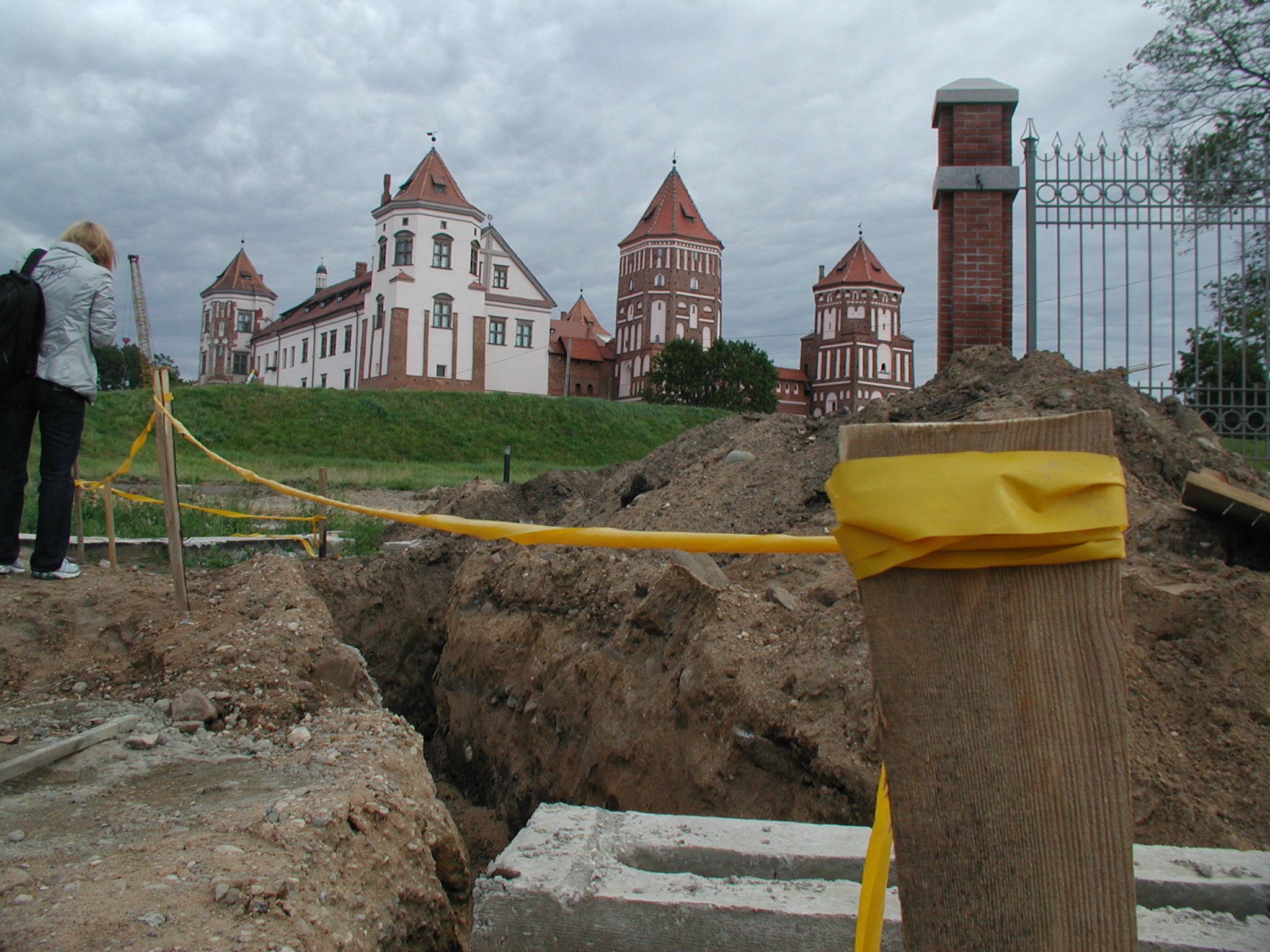 Archäologische Ausgrabung vor einer historischen Burganlage
Photo: Markus Lenk
Archäologische Ausgrabung vor einer historischen Burganlage
Photo: Markus Lenk
Quick facts: Local culture and communities
- Everyday life, privacy, and religious customs deserve respect.
- Photography is not welcome everywhere.
- Cultural heritage needs protection, not just to serve as a backdrop.
- Local businesses can be part of a thoughtful travel plan.
- Stereotypes get in the way of genuine encounters.
- Check the specific rules at each location.
Destinations are places where people live
Old towns, villages, markets, and religious sites are more than attractions. They are part of everyday life. Traveling in Eastern Europe or Central Asia means encountering different languages, social customs, and rhythms of life. Respect starts with not treating private spaces as a backdrop and taking guidance from hosts and local organizations seriously.
Photography, clothing, and religious sites
When taking photos, don't put people in the frame without asking, check before photographing in protected or religious spaces, and respect any restrictions. Special rules may apply to clothing, noise, or photography. These requirements vary by location, so check them directly before your visit.
Choose local businesses thoughtfully
Accommodation, dining, tours, and crafts can help you connect with your destination. But booking with a local business is no blanket guarantee of quality; look for transparent information, fair terms, and offerings that suit your trip. In places with many visitors, it's also worth considering when you visit and how tourism affects local daily life.
Respect culture and nature together
Respectful encounters are as much a part of travel as caring for the landscape and its resources. UNESCO emphasizes protecting cultural heritage and involving local communities. The broader framework is sustainable travel; find more ideas under Holidays in Eastern Europe and Central Asia.
Prepare for encounters and visits
Respectful tourism starts with setting appropriate expectations for a place. The Culture and history section can help you choose between a museum, old town, memorial site, or religious building. For museums and exhibitions, check opening hours, photography rules, admission fees, and language options. At monasteries and places of worship, also consider dress, noise, and access to certain areas. Preparing in advance helps ensure that a place where people live or worship is not treated merely as a photo backdrop.
A conversation, market visit, or guided tour can offer a better understanding of life at your destination when everyone’s roles are clear. Don’t photograph people without asking, respect private spaces, and accept a refusal. The guides to food and local specialties and markets, cafés, and everyday food culture can help you choose local offerings based on transparency, quality, and how well they suit your needs.
Protect cultural heritage from overuse
Historic buildings and collections need protection so they remain accessible in the future. Rules about touching, flash photography, bags, keeping your distance, and where you can walk are therefore part of the visit. When exploring history and memorial sites, personal reflection and dignity matter more than packing in a long list of sights. On busy days, visiting earlier, spending longer at a site, or choosing a less crowded place may be a better option.
The topics of responsible travel choices and environmental protection show how culture and nature can be considered together. Routes, waste, water use, and traffic also affect historic places and residential neighborhoods. Before booking, read the guidance provided by the venue, community, or relevant authority. This makes it possible to stay open and respectful without generalizing individual customs or experiences to an entire population.
Frequently asked questions
Can I take photos at religious sites?
It depends on the site. Follow the guidance there and ask permission when in doubt.
How can I avoid stereotypes?
Take local perspectives seriously, listen, and don’t generalize from individual encounters to entire regions.
Are local businesses always the better choice?
They can strengthen your connection to a destination. Still, check their quality, transparency, and whether their terms suit you.
