
Berestye Archaeological Museum in Brest: Wooden Town and History
Quick facts: Berestye Archaeological Museum
The Berestye Archaeological Museum is the only museum dedicated to a medieval East Slavic town, not only in Belarus but in all of Europe. It is located at the site where the town of Berestye (Brest) was founded, on the grounds of the Volyn fortification within Brest Fortress, on the headland between an arm of the Mukhavets River and the Western Bug River. The distinctive museum pavilion, covering 2,400 m², has 14 halls whose exhibits reflect the political, economic and cultural development of one of Belarus’s oldest towns between the 11th and 13th centuries.
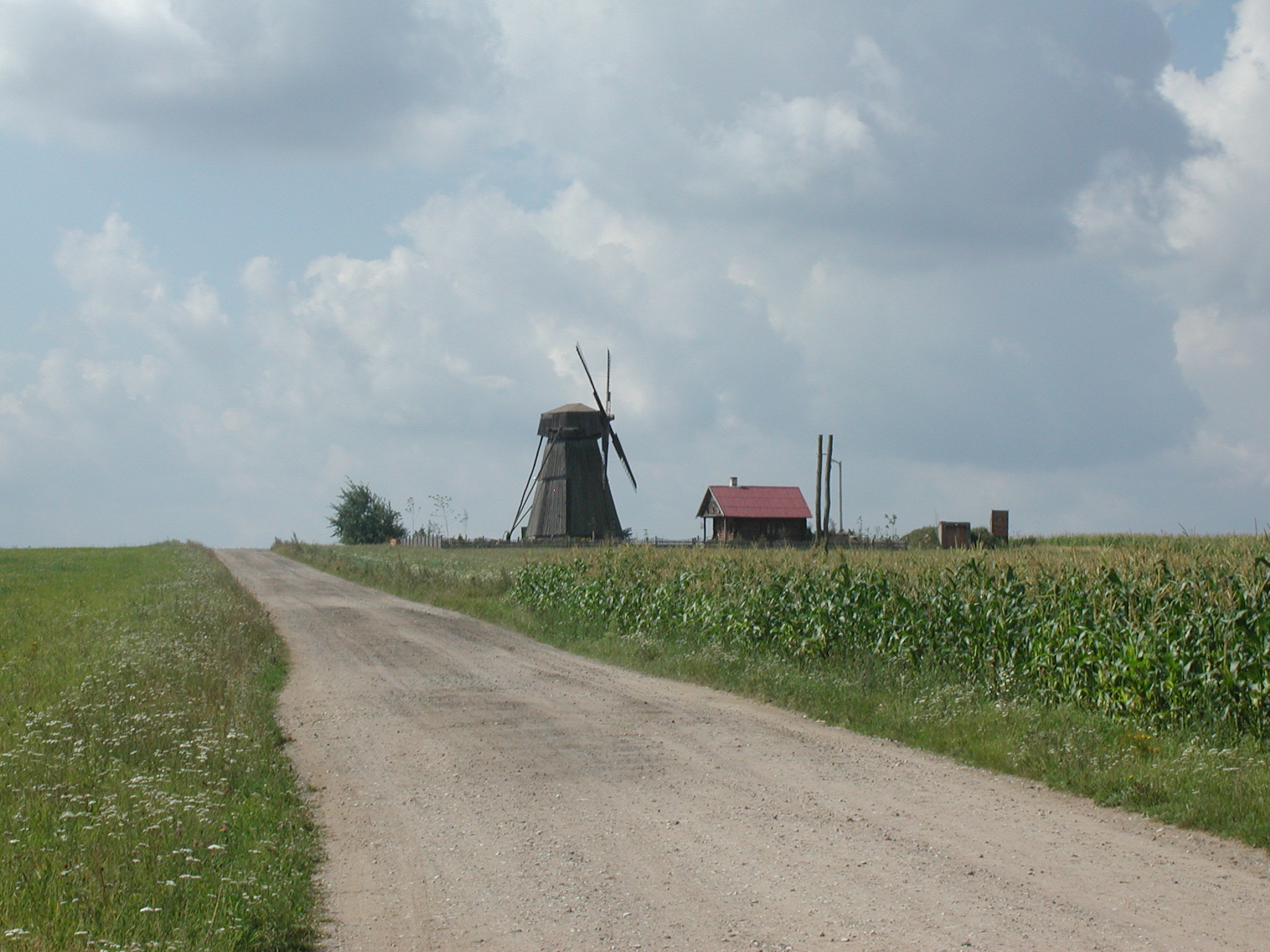 Historisches Windrad in einer offenen ländlichen Kulturlandschaft.
Photo: Markus Lenk
Historisches Windrad in einer offenen ländlichen Kulturlandschaft.
Photo: Markus Lenk
- Berestye is located within the Brest Fortress, on the site of a medieval town.
- Preserved wooden structures bring the layout and everyday life of the 13th century to life.
- Archaeological finds complement the visible remains of buildings and streets in the excavation area.
- The museum pavilion, excavation site and Brest Fortress each offer a different focus.
- Damp conditions, uneven paths, weather and the site’s location within the fortress grounds can all affect your visit.
- Check opening times, admission, access and current travel conditions for Belarus before your visit.
The museum is built around well-preserved 13th-century structures uncovered during archaeological excavations. Excavations revealed three streets with more than 200 outbuildings and residential buildings made of pine and oak.
The museum’s main exhibit is its 1,000 m² archaeological excavation site. Four metres below ground lies part of a 13th-century crafts quarter: 30 outbuildings and homes, as well as a street. Two structures have survived with 12 logs intact—a true rarity in Slavic archaeology.
More than 43,000 objects were found during the excavations: blacksmiths’ products (such as high-quality tools, intricate locks, weapons, chain mail and armour); goods made by the town’s jewellers (including bracelets, rings, signet rings and necklaces); pottery (such as wheel-thrown cookware, often decorated with patterns); and coopers’ products (vessels made of softwood, wooden tubs, buckets and yokes), as well as combs, buttons, needles and handles carved from the bones of wild and domestic animals. Rare finds include a wagon wheel, skis and an oar.
Unique finds include a comb from the early 13th century engraved with Cyrillic letters. Writing styli (metal rods for inscribing letters) and a waxed writing tablet, book clasps, and chess pieces carved from bone and wood all attest to the high cultural level of the town’s inhabitants. A bronze cross, an icon and a communion spoon confirm that the people of Berestye were Christian.
Each year, the museum’s unique exhibition attracts more than 60,000 visitors.
Understanding Berestye as an archaeological site
The Berestye Museum makes the medieval origins of Brest tangible at a specific archaeological site. Check the official website of Brest Fortress before your visit for current opening times, access, admission and possible restrictions. The focus is not just on individual display cases, but on the remains of an urban quarter, traces of crafts and objects from everyday life. In this way, Berestye complements the fortress’s military history with a social and settlement-history perspective.
Questions about housing, crafts, trade and materials can help guide your visit. Wooden buildings, tools, pottery, jewellery, and objects used for writing or everyday life reveal different aspects of the past. Historical figures and dates in older descriptions should be understood as exhibition context; the institution itself is the source for current information about the displays and access. Culture and history provide useful additional context for understanding the finds and historical periods.
Planning a museum visit within the fortress
Berestye is located within the city of Brest and can be planned alongside a selection of Brest’s attractions. Allow enough time for the routes between the museum, the fortress grounds and other stops. If you also visit the “Saved Art Treasures” Museum, set aside separate time for both collections and check their opening days independently.
For getting there, consult Getting there and transport and, if travelling by rail, the information about Brest railway station. Before travelling to Belarus, recheck entry requirements and documents, current safety information and transport conditions. Saving the address offline can be useful if your connection works differently than expected once you are there.
Combining archaeology and urban history
You can combine your visit with a historical walking tour of the city without trying to fit every destination into one day. Museums in Brest offer other cultural highlights; language and communication and money and payments can help with practical preparations. Confirm opening hours, tours, photography rules and access requirements directly with the fortress shortly before your visit.
Connecting the wooden town, excavation site and fortress
At its original location, Berestye reveals a medieval town beneath today’s Brest. The official information about Brest Fortress provides additional updates about the grounds and visiting. The wooden remains, archaeological finds and military-historical fortress each answer different questions about the town’s past.
Preserved planks, house plans and streets show how closely housing, crafts and transport were connected in a medieval settlement. Do not touch or walk on fragile archaeological structures. Brest and Belarus provide the regional context.
If you are planning a longer stay, don’t try to squeeze Saved Art Treasures and other places in Brest into your fortress visit. Opening times, routes, admission, weather and the time available should determine the order of your plans. Brest railway station can help with planning your arrival.
Before your visit, cross-check Getting there and transport, entry requirements and documents, money and payments and culture and history against the fortress’s latest information. Belarusian cultural information offers additional historical context, but does not guarantee that the site will be open or accessible.
FAQ about the Berestye Archaeological Museum
What can you see at the Berestye Museum?
The main attraction is the remains of a medieval wooden town, with building structures, streets and archaeological finds at their original location.
Is Berestye located in Brest Fortress?
Yes. The archaeological site is within the fortress grounds. Check access, paths and current visitor rules before your visit.
How much time should I allow for a visit?
The time required depends on the excavation site, exhibition, fortress, weather and your personal interests. Setting aside a dedicated block of time helps avoid a rushed visit.
What should I keep in mind in the excavation area?
Do not touch or walk on fragile wooden or ground structures. Follow the permitted routes, barriers and on-site instructions.
