
Plan museum and exhibition visits to suit your trip
A museum visit can deepen a trip when the exhibition matches your interests. You do not have to see every part of every museum. Choosing a manageable selection, allowing a realistic amount of time, and doing a little preparation can help you understand objects in context rather than simply ticking them off a list. This applies to art museums as well as museums devoted to history, technology, literature, or regional life.
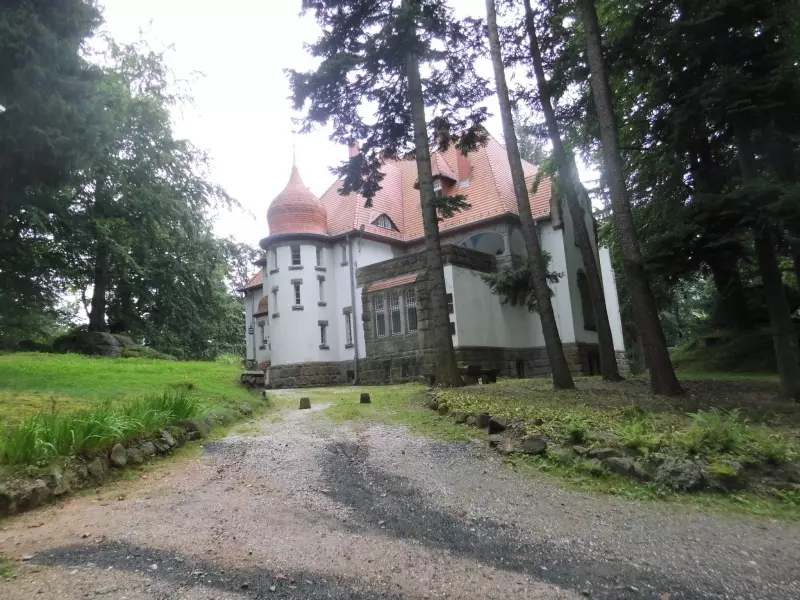 Helles Museumsgebäude in einem Park als Bild für Museen und Ausstellungen.
Photo: Bernd Hermann, Neandertours.com
Helles Museumsgebäude in einem Park als Bild für Museen und Ausstellungen.
Photo: Bernd Hermann, Neandertours.com
Quick facts: museums and exhibitions
- Museums vary in their collections, management, size, languages, and approach to interpretation.
- A special exhibition may have different opening hours, admission rules, or time slots from the permanent exhibition.
- It is usually impossible to take in a large museum in its entirety in a single day.
- Audio guides, tours, and labels can help overcome language barriers, but they are not available everywhere.
- Photography, bags, backpacks, and strollers are often subject to specific rules.
- A museum day needs breaks; a café, seating areas, or a walk around the area afterward can be a good idea.
Choosing the right museum
For a first visit, it helps to ask a simple question: Do I want to look at art, explore history, get to know a place, or delve into a particular subject? A city museum can explain regional connections, while a literary museum can bring a person and their era together. An open-air museum takes more time and often calls for weatherproof clothing. For children, short distances, engaging objects, and a place to rest are usually more important than the size of the collection.
Historical themes feature in culture and history, while regional cuisine and markets can connect a museum visit with everyday life today. Poland offers cities, literary museums, and regional museums with a variety of approaches. The Baltic states combine older urban history with more recent political and social themes. For a trip that also includes time in nature, nature and landscapes can help with further planning.
Do your research beforehand
Check the official website for opening hours, admission, special exhibitions, lockers, accessibility, and any time-slot requirements. Popular museums may require advance reservations. You should also factor in the journey from the train station or your accommodation. A museum is not always in the historic centre; getting there may take extra time and require a bus or train ride.
For a focused visit, choose two or three subjects in advance. If you tire easily, plan a shorter route and a break outside the exhibition. With children, a small scavenger hunt can help, as long as it does not turn into a race through the museum. Visitors with limited mobility should check in advance for lifts, seating, and accessible toilets. Rest and wellbeing are also part of planning your day on a cultural trip.
In multilingual regions, labels may not be available in your language. An audio guide, a printed map, or a translation prepared in advance can help. You do not need to understand every specialist term if you can place an object in context by understanding its origin and purpose. When it comes to political or contentious subjects, it is worth considering multiple perspectives and avoiding simplistic judgments from a contemporary viewpoint.
A good museum plan also takes your energy levels into account. After a long journey, a small museum with a clear focus may be a better choice than a collection spread over several floors. On a second visit, you could focus on different rooms or a temporary exhibition. If you are travelling with a group, you can agree on a shared focus and then leave time for everyone to explore independently. This avoids unnecessary time pressure when people have different interests.
For a city break, the museum’s location is a practical consideration. If it is close to the train station, the old town, or your accommodation, it is easier to combine a visit with a walk. For a trip outside the city, decide in advance how you will get back, when the last service runs, and what you will do if the weather is bad. That way, your museum visit can still be relaxing if an exhibition turns out to be smaller than expected or some rooms are temporarily closed.
Explore collections respectfully
Museums preserve objects, images, and documents that may have special significance for particular communities or families. Rules on photography and touching protect artworks, copyright, and conservation conditions. Discretion is appropriate around human remains, religious objects, and histories of violence. A visit to memorial sites therefore calls for a different approach than a casual stroll through a design exhibition.
After visiting a museum, a short walk can help you process what you have seen. Squares, riverbanks, and historic streets show how the exhibition connects with the city. Leave enough time for other activities; you do not have to fit more travel ideas into the same day either. This way, the museum becomes part of the trip, rather than just another stop between two journeys.
FAQ
How many museums can I visit in one day?
For most travellers, one large museum or two smaller ones is realistic. Remember to factor in travel time, breaks, and your ability to concentrate.
Do I need to book an exhibition in advance?
It depends on the museum and how popular it is. Time slots, special exhibitions, and group visits may require a reservation.
Am I allowed to take photographs in the museum?
Only if the museum’s rules allow it. Flash photography, tripods, certain artworks, and some rooms may be off limits.
