
Discover Castles and Fortresses with Time for History
Castles and fortresses tell us more than just the stories of former rulers. They show how landscapes were protected, governed and shaped, how ways of living and representing power changed, and what traces later generations left behind. A successful visit therefore depends less on ticking off the longest list of historic sites. What matters more is the site’s actual location, which areas are accessible, its historical context and enough time to explore the surroundings.
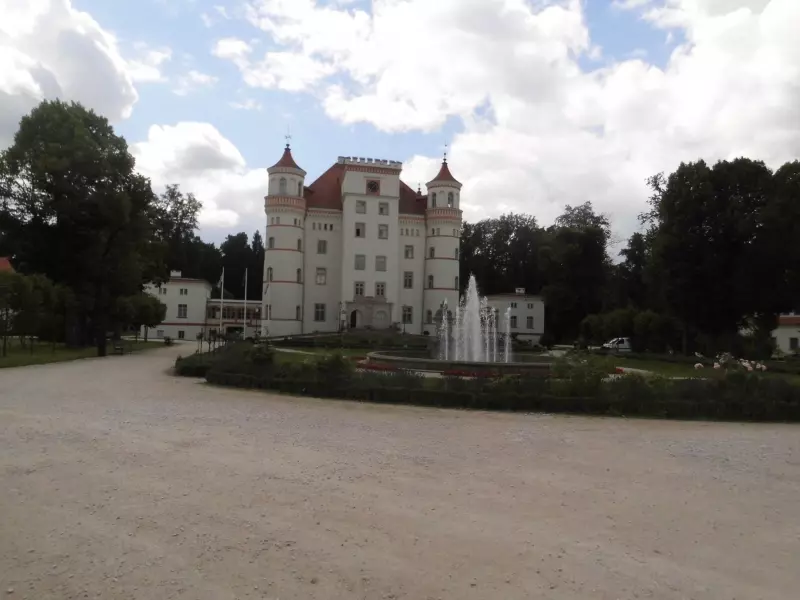 Schloss Wojanów mit Türmen, Park und Springbrunnen als Bild für Schlösser und Burgen.
Photo: Bernd hermann, neandertours.com
Schloss Wojanów mit Türmen, Park und Springbrunnen als Bild für Schlösser und Burgen.
Photo: Bernd hermann, neandertours.com
Quick facts: Castles and fortresses
- A fortress may combine defensive, residential and representative functions; a castle is not necessarily open to the public.
- Indoor areas, parks and towers often have different opening hours or admission rules.
- Historic sites are often outside major towns, so plan for the return journey and public transport.
- Stairs, cobblestones and uneven paths can make visits difficult for children, older people or wheelchair users.
- Restoration work and changing exhibitions can alter the experience without requiring the entire site to close.
- A short visit can be combined with a walk around town, a museum or a nature trail nearby.
Which site is right for your trip?
Those interested in defense might prefer a hilltop fortress, town walls or a well-preserved fortification. Castles with parks and carefully designed interiors are a good fit for architecture, garden design and courtly life. Families often need a manageable route, outdoor areas to explore and somewhere nearby to take a break. If you want to delve deeper into the history, check whether guided tours, information panels or a small museum are available.
In Poland, sites in the Giant Mountains combine historic architecture with paths through parkland and open landscapes. Zakopane offers a different perspective on regional building traditions, set against a mountain backdrop. The Baltic states feature town fortifications and manor houses, while the Caucasus places historic sites within more varied landscapes. For more travel ideas, see Culture and History.
What to check before your visit
Before setting off, check the official opening hours, where to buy tickets, possible closing days and information about guided tours. At privately owned or partly occupied sites, only the park or certain parts of the building may be open. A listing on a travel map is no substitute for checking. Travel options can also vary by season—for example, a bus may run only on certain days.
The distance from the station or car park to the entrance is often underestimated. A castle may lie beyond a large park, while a fortress may be reached only by a steep path. Make sure there is enough daylight for the return journey. In rainy weather, paths, steps and lawns become slippery; in hot weather, shady breaks and drinking water may matter more than an extra indoor attraction.
If you’re travelling with children, you can choose a simple story about the site beforehand and look for details when you get there: coats of arms, towers, bridges, old service buildings or signs of earlier uses. Adults are often more interested in construction phases, restoration and the site’s connections to the region than in a complete chronological account. The right activities can round out your visit without turning it into an overpacked itinerary.
Putting history in context with respect
Castles and fortresses were not just beautiful homes. They may be associated with rule, social divides, wars, coercion and national cultures of remembrance. Public information and guided tours should therefore distinguish between documented facts, later stories and embellishments for tourists. Where ownership changed over time, the region’s history is usually more complex than the story of a single ruler. A museum visit can help put sources and objects into context.
Photography rules should also be observed. Restrictions may apply in indoor spaces, private areas, places used for religious purposes and during events. Barriers protect floors, artworks and visitors. If you’d like to stay longer, the surrounding area often offers regional cuisine, small towns or nature and scenic attractions. Accommodation with an easy return journey is often more practical than staying as close as possible to the sight.
When visiting several sites in one region, don’t compare only the distances between them. Different opening hours, parking options and tour schedules may determine the best order. One site in the morning followed by a walk around town in the afternoon is often more enjoyable than visiting three interiors in a row. On a longer trip, it’s worth choosing a base and planning visits to individual castles as flexible day trips.
Historic buildings are also being restored on an ongoing basis. Scaffolding or closed rooms don’t automatically mean a visit isn’t worthwhile, but they can significantly change the experience. When you arrive, check which areas are actually accessible and whether a guided tour explains the current state of the site. This helps keep expectations realistic, and you can round out your visit with a walk in the park or a nearby recreation spot.
FAQ
How much time should I allow for a castle visit?
One or two hours may be enough for the outdoor areas. If you plan to see the interiors, join a guided tour and explore the park, allow about half a day.
Are fortresses suitable for children?
Many sites have exciting paths and viewpoints. However, be mindful of stairs, railings, bodies of water and uneven ground.
Can I visit any historic site without planning ahead?
No. Opening hours, guided tours, private use and seasonal rules vary. Check the information provided by the site shortly before your visit.
