
Discover cities, old towns and architecture thoughtfully
Cities tell their stories not only in museums. Street layouts, squares, bridges, churches, homes and modern additions show how a place has changed. A successful city visit therefore depends not on the longest list of attractions, but on choosing a focus, keeping distances short, taking breaks and allowing enough time to connect buildings with everyday city life.
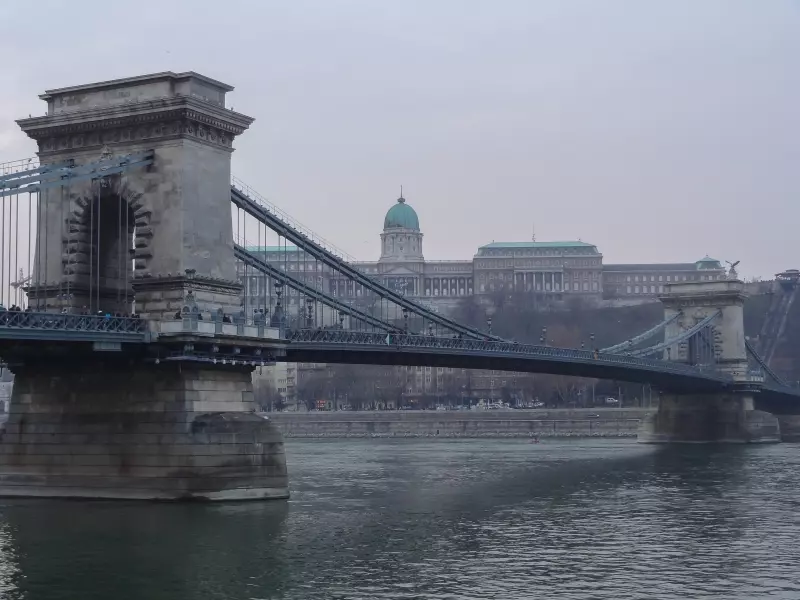 Kettenbrücke über die Donau mit dem Burgviertel im Hintergrund als Bild für Städte und Architektur.
Photo: tp
Kettenbrücke über die Donau mit dem Burgviertel im Hintergrund als Bild für Städte und Architektur.
Photo: tp
Quick facts: Cities, old towns and architecture
- Old towns often bring together several periods of construction and cannot be reduced to a single style.
- Squares, bridges and streets can serve as landmarks for planning your own walks.
- Historic centres are often walkable, but cobblestones, hills and traffic affect route choices.
- Early mornings, late afternoons or the off-season can offer a quieter experience.
- Interiors, religious sites and private courtyards have their own rules for visits, clothing and photography.
- Urban history should be explained carefully and in its historical context.
Choose your focus
If you are interested in architecture, you can compare façades, squares and urban axes. A focus on history is more likely to lead you to fortifications, residences and memorial sites. To get a feel for life today, include markets, residential neighbourhoods, cafés and public transport. You can combine these interests, but not always in a single day without feeling rushed.
Dubrovnik showcases a striking historic city by the sea; Zakopane brings together the town, regional architectural styles and a mountain setting. The Baltic states offer varied cityscapes, from medieval centres to newer neighbourhoods. For further travel inspiration, Russia, Ukraine and the Caucasus are vast cultural and landscape regions.
Routes, transport and breaks
A city map should show not only attractions, but also entrances, lifts, public toilets, places to sit and a way back. If you are travelling with children or have limited mobility, check for cobblestones, hills and construction works in advance. Public transport can extend your range, while a central walking route can make the day easier to manage. For current opening times and access information, consult the official details provided by each venue.
A good route combines two or three points of interest with some unplanned time. That leaves room for a square, a conversation, a break or an unexpected street. The pages on regional cuisine and relaxation can help you plan your day. If you would like to add a day in nature, Nature and landscapes offers more ideas.
For planning, a map with just a few areas marked is often enough: the historic centre, a modern neighbourhood, a market or waterfront path, and a place to take a break. This keeps the route easy to follow without requiring you to plan every street in advance. In larger cities, travel times and how safe different neighbourhoods feel can vary considerably. So check current information on traffic, construction works and opening times shortly before your visit.
Architecture is especially rewarding to compare when you look beyond famous individual buildings. A residential building, a small side street or the connection between a square and a river can show how urban planning shapes everyday life. At the same time, residents’ privacy should be respected. Courtyards, doorways and workplaces are not freely accessible photo opportunities.
For an overnight stay, a location on the edge of the historic centre can be a good choice if it offers quieter nights and good transport links. If you plan to head out early, check the route to your first destination and when local public transport starts running. Staying in the centre saves travel time, but it is not automatically the best option for every budget or every trip with children.
Experience architecture respectfully
Historic buildings are more than backdrops. Many are lived in, in use or have religious significance. Respect entrances, barriers, services and private areas. Take particular care when photographing people. When it comes to restoration, reconstruction and sites with a politically fraught past, careful context is preferable to an oversimplified claim. UNESCO highlights the links between conservation, urban development and use in historic cities.
Modern architecture is also part of a city’s character. A railway station, market hall, residential neighbourhood or bridge can show how a city has adapted to new needs. If you are staying longer, compare different times of day and revisit the same square in different light. You can add other activities and broader holiday ideas without following a rigid itinerary.
FAQ
How many attractions can I fit into one day?
That depends on distances, visits inside buildings and your own pace. Two or three highlights with breaks are usually more enjoyable than a long list.
When are old towns at their quietest?
Early mornings, late afternoons and less popular travel periods can be quieter. Events and the time of year can change the picture.
Can I photograph historic buildings?
It depends on the location and the interior. Follow signs, venue rules and religious guidelines, and respect people and private spaces.
