
Baldushk: Landscape, Archaeology and Hotels
Accommodation in Baldushk
Baldushk combines a varied landscape with archaeological traces from different periods and regional traditions. The Zhullima stream runs through Baldushk. The area includes plains, small to medium-sized hills, slopes and valleys. The Panorama Valley of Baldushk combines flat, hilly and partly mountainous terrain.
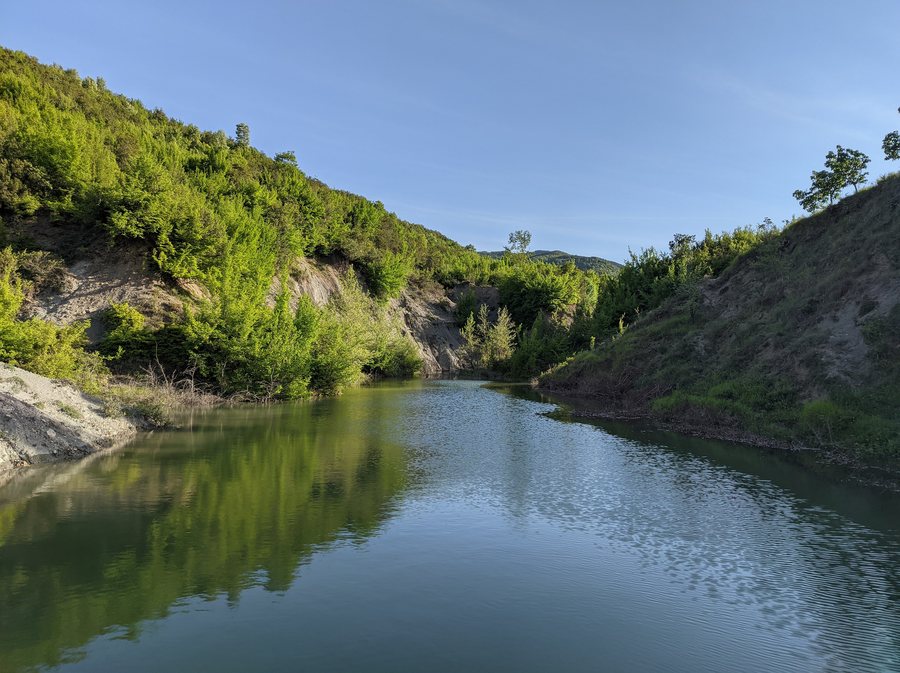
Landscape
The Panorama Valley offers tourism potential for activities on the water, in the mountains and in agrotourism. The landscape therefore brings together different forms of terrain: flat areas, hilly sections and partly mountainous zones. The Zhullima stream is part of the local landscape and runs through Baldushk, while slopes and valleys add to the character of the area.
Archaeology
In the village of Koçaj in the Baldushk area, remains of an ancient dwelling dating to the 1st century AD were discovered. Ceramic fragments, parts of pithoi and kitchen vessels from Koçaj also attest to the existence of a rural settlement. Two heavily damaged ancient sculpture bases were discovered in Koçaj. Greek inscriptions on these two bases are dedicated to the Dioscuri, who were regarded as protective deities of travelers and seafarers.
Based on their design and the style of the inscriptions, the sculptures from Koçaj are dated to the 2nd century and are displayed in the National Archaeological Museum. The Roman finds from Baldushk are bas-relief sculptures believed to have been produced in a local workshop.
Another significant find is associated with the village of Vrap in the Baldushk area. The Vrap Treasure was discovered there in 1901. It contained 41 objects, including gold bowls, gold belt fittings, gold ingots, silver bowls and a silver jug. The Vrap Treasure is dated to the last decade of the 7th century and is described as one of the most significant treasures of the Early Middle Ages in Southeastern Europe.
Archaeological evidence was also discovered in Baldushk village itself: in June 2010, five Roman funerary monuments more than one meter in size came to light there. Together with the ancient dwelling at Koçaj, the settlement remains, the sculpture bases and the Roman bas-reliefs, these represent several different types of finds within the area.
Traditions
Baldushk is known for turkey farming, which is a regional tradition here. Before the year-end holidays, consumers are interested in buying turkeys. The tradition surrounding turkey farming also includes “Dita e gjelave,” a traditional December activity in Baldushk. During it, turkeys compete against one another in front of spectators from the surrounding area and Tirana.
Nature
The surrounding landscape includes the Kakunjë Waterfall, also called Askolaj Waterfall, which is attracting increasing numbers of visitors. The route to the waterfall begins in Tirana in the direction of Baldushk and then continues along the road to the village of Kakunjë. Local residents have voluntarily put up signposts to the Kakunjë Waterfall.

