
Hnojník: Hotels and Accommodation
Accommodation in Hnojník
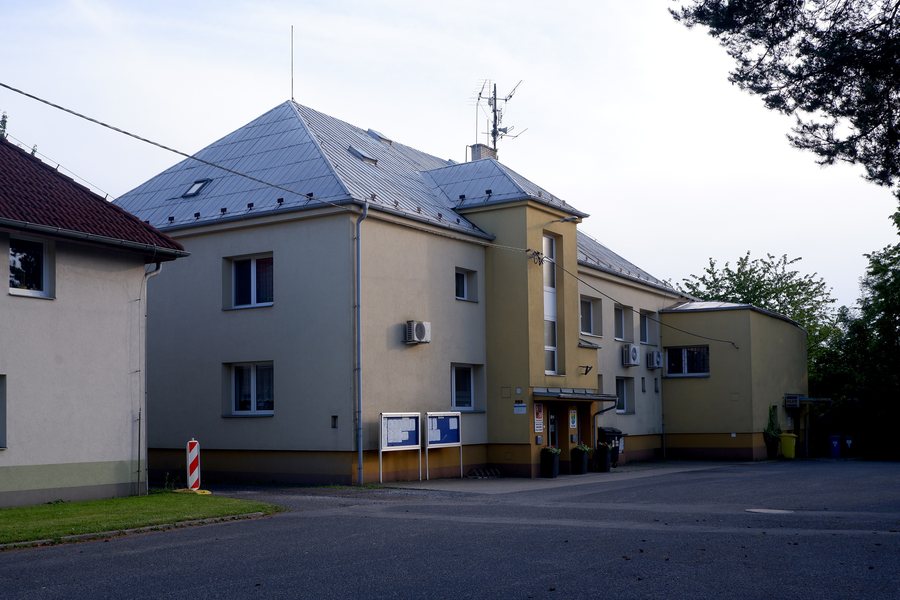
Hnojník Castle is a landmark of the municipality and a cultural monument of architectural art.
Culture and History
The surviving Hnojník Castle was built by Karel Václav Beess z Chrostiny in the 18th century in the Baroque style as a single-storey building. In the first half of the 19th century, it was remodeled according to a design by the Viennese architect Josef Kornhäusel in the Silesian Empire style.
The history of the Beessů z Chrostiny family also includes the memorials at the Hnojník cemetery: The family crypt was built around 1868. The cemetery wall also contains the burial chapel of the Barons Beessů z Chrostiny, the owners of Hnojník Castle. The rectangular chapel was built in the Empire style. The present-day brick Church of the Assumption of the Virgin Mary in Hnojník was also built in the Empire style. Construction began on May 30, 1808, and the consecration took place on November 18, 1812.
Nature
In front of the southern façade, Hnojník Castle Park includes a formal garden covering approximately two hectares. It leads to the church and onward to the main road and is oriented toward Mount Godula. This formal garden contains the approximately 160-year-old red oak, the oldest tree in the castle park.
A one-hectare informal garden is located north of the castle.
Rail Transport
Hnojník railway station is located on line 322 between Cieszyn, Český Těšín and Frýdek-Místek.
Events
The local sports club from Hnojník participates in the Hnojnická pouť. The local Plackobraní is organized by the members of Hnojník’s horticultural association.
Other Places
Other local pages: Nošovice, Frydek-Mistek, Vojkovice, Fryčovice, Dolní Tošanovice, Horní Tošanovice, Kunčice pod Ondřejníkem, Písečná U Jablunkova.
To the higher-level travel overview: Okres Frýdek-Místek.

