
Röjtökmuzsaj – Wellness and Culture
Accommodation in Röjtökmuzsaj
Röjtökmuzsaj combines historic buildings and a cycling route with a bathhouse that external guests can also use.
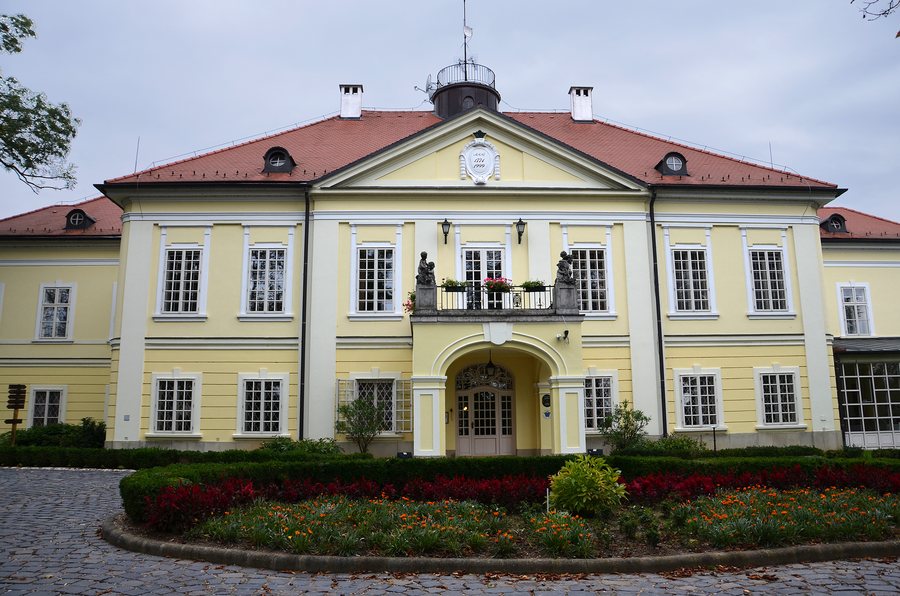
Röjtökmuzsaj at a glance
- The Fertő–Balaton Cycling Route runs through the village.
- The Roman Catholic church stands on a corner of the main street.
- The Muzsaji Vízimalom on the Ikva is currently not open to visitors.
- The bathhouse at Szidónia Kastélyszálloda welcomes external guests by prior arrangement and subject to availability.
- Muzsaji Horgásztó is located in the Muzsaj district.
How can you include wellness in your accommodation planning?
The wellness facilities at Szidónia Kastélyszálloda include a swimming pool, sauna, steam bath and Kneipp rondel. There are also heated therapy ceramic loungers, a relaxation room with loungers and a fitness room. These facilities are part of the hotel’s offering; external guests must book their visit in advance by telephone. Places are allocated subject to availability. If you would like to use the bathhouse, confirm the booking arrangements and availability directly with the hotel in advance. This allows you to factor this specific wellness option into your travel and accommodation planning without assuming that visits are available spontaneously.
Which buildings tell the story of the village?
The Roman Catholic church in Röjtökmuzsaj stands on a corner of the main street. After the previous church was demolished in 1869, construction of the present church began according to plans by Sopron architect Nándor Handler. In the Muzsaj district stands a chapel built in 1923 and dedicated to the apparition of the Virgin Mary at Lourdes.
The Neo-Gothic Kisboldogasszony-Plébániatemplom is located in the Röjtök district. It is considered a well-known pilgrimage site in the area and houses the 16th-century wooden statue of the Madonna of Wimpác. Two other dated monuments add to the village’s character: a late Baroque Trinity Column from 1794 and a late Baroque statue of Saint Anne from 1800.
The history of Felsőbüki Nagy-Verseghy Castle can also be read in several stages. In the second half of the 18th century, a Széchényi family estate was converted into a castle and expanded. Under Verseghy Nagy Elek, the castle took on its present form in 1926. The Muzsaji Vízimalom offers a different point of interest: this industrial heritage monument, partly built on stilts, stands on the Ikva but is currently not open to visitors.
What opportunities do the cycling route and lake offer?
For cyclists, the local route information is clear: the Fertő–Balaton Cycling Route runs through Röjtökmuzsaj. The Alpokalja Loop Tour also includes the village as a stop and mentions the Szidónia Castle Hotel.
Muzsaji Horgásztó is located in the Muzsaj district. The lake’s recreational facilities include a restaurant and comfortable apartments. If you would like to include these in your plans, check in advance whether they are currently operating. Together with the cycling route, this gives the village a profile that brings buildings, wellness and outdoor activities together, without implying that every accommodation or visit offers the same options.
Which regional themes complement a visit to the village?
The broader travel destination of Raab-Wieselburg-Ödenburg also encompasses major landscapes and cultural heritage sites. The Fertő/Neusiedler See cultural landscape includes Eurasia’s westernmost steppe lake as well as wetlands, saline soils, reed beds and shore areas. Lake Neusiedl forms the core of Fertő-Hanság National Park; its Hungarian section has been protected since 1977. Fertő-táj was granted UNESCO World Heritage status on 13 December 2001.
Pannonhalma Archabbey offers a different cultural focus: the Benedictine monastery was founded in 996. The World Heritage property includes, among other things, the monastery complex, basilica, educational buildings, chapels, and botanical and herb gardens. These regional themes extend the view beyond the churches, monuments and routes of Röjtökmuzsaj.
Discover more destinations: Kópháza, Pereszteg, Hidegség, Fertőszentmiklós, Fertorakos, Fertőhomok, Sarród, Agyagosszergény.
FAQ
Can external guests use the bathhouse?
Yes. Booking by telephone in advance is required; places are allocated subject to availability.
Which cycling route runs through Röjtökmuzsaj?
The Fertő–Balaton Cycling Route runs through the village. The Alpokalja Loop Tour lists Röjtökmuzsaj as a stop and mentions the Szidónia Castle Hotel.
Is the Muzsaji Vízimalom open to visitors?
It is currently not open to visitors. The monument stands partly on stilts by the Ikva.
To the overview of the wider travel destination: Sopron–fertődi.

