
Németbánya: Village History and Excursions
Accommodation in Németbánya
Németbánya combines a permanent folklore exhibition with distinctive buildings from several construction periods. Magyar Spring is also a significant excursion destination. Here you’ll find information to help you include local history and other interests in your travel and accommodation plans.
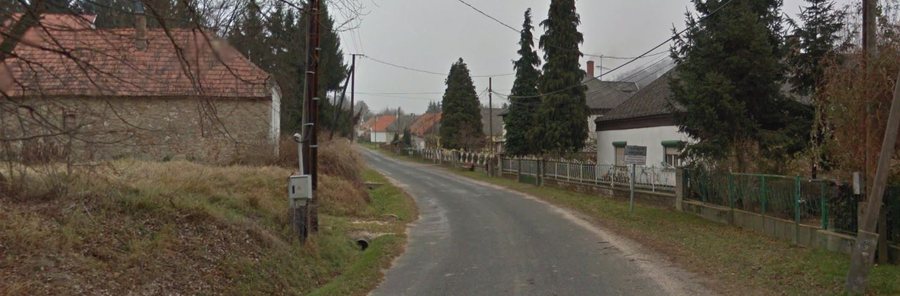
Németbánya at a glance
- The Faluház houses a permanent folklore exhibition featuring traditional dress and everyday objects.
- The village landscape includes distinctive buildings dating from the period of the glassworks established in the 18th century, as well as later construction periods.
- Magyar Spring is a significant excursion destination for visitors to Németbánya.
What does the architecture tell us about the village?
Németbánya is a German-speaking village. Some of its distinctive buildings date from the period of the glassworks established in the 18th century, while others belong to later construction periods. As a result, buildings from different eras stand side by side in the village. The permanent folklore exhibition at the Faluház adds another perspective on the village’s history: it features traditional dress and everyday objects.
If you’re interested in regional history and everyday culture, the exhibition and the architecture offer two different perspectives: one focuses on the traditional dress and objects on display, the other on buildings from several periods. Magyar Spring is another local point of interest, regarded as a significant excursion destination for visitors to Németbánya.
What else does the wider destination of Northern Lake Balaton have to offer?
In the wider destination of Northern Lake Balaton, the Tapolca Lake Cave offers a different focus. Boat trips are available there, as is the guided exhibition “Csodálatos karszt” (“Wonderful Karst”). The cave is part of a cave system beneath the town, which has so far been explored over a length of 14.6 kilometres. This example brings together an underground cave system, boat trips and an exhibition about karst.
Hegyestű offers another perspective on the landscape of the wider destination of Northern Lake Balaton. The 337-metre-high mountain lies between Zánka and Monoszló. Its inner face reveals the interior of a basalt volcano that was active about 8 million years ago. At the western edge of the quarry, visitors can use a panorama board at a viewpoint to identify the surrounding hills. Hegyestű also has a rock garden featuring characteristic rock types from Transdanubia, the western half of Hungary. Geology, landscape orientation and rock types offer different points of interest here.
Culture enthusiasts will find other topics across the wider destination of Northern Lake Balaton: the Herend Porcelain Museum features a permanent exhibition and changing exhibitions about the history of the manufactory. The visitor centre presents porcelain production, the techniques involved and the traditions of applied arts; in workshops, visitors can handle porcelain clay and a brush for painting. The Levendula Ház explores the formation of the Tihany Peninsula and lavender cultivation in an interactive exhibition. It also has a craft workshop and a discovery garden. These examples offer a different focus from the folklore exhibition in Németbánya.
How can you factor the choice of location into your hotel plans?
When choosing a hotel, you can first decide on your main areas of interest: would you like to focus on Németbánya, with its village architecture, the Faluház and Magyar Spring, or include attractions across the wider destination of Northern Lake Balaton in your plans? The examples mentioned range from caves and geology to porcelain, crafts and exhibitions. Then assess each hotel based on its specific details and your personal travel plans.
Discover more destinations: Lovászpatona, Döbrönte, Bakonyság, Bakonyszücs, Takácsi, Bakonykoppány, Pápakovácsi, Ganna.
FAQ
What can you see at the Faluház?
The Faluház houses a permanent folklore exhibition featuring traditional dress and everyday objects.
Which construction periods have shaped Németbánya?
The distinctive buildings of this German-speaking village include structures from the period of the glassworks established in the 18th century, as well as buildings from later construction periods.
What landscape features does Hegyestű offer in the wider destination of Northern Lake Balaton?
Hegyestű is 337 metres high and lies between Zánka and Monoszló. Its inner face reveals the interior of a basalt volcano that was active about 8 million years ago; at the viewpoint, a panorama board helps visitors identify the surrounding hills.
View the wider travel overview: Pápai.

