
Discover Pápakovácsi
Accommodation in Pápakovácsi
Pápakovácsi lies where the northwestern foothills of the Bakony Mountains meet the Little Hungarian Plain. Historic churches and statues are part of the village’s character; the protected Attyai-láprét marshland lies about three kilometres to the southeast. If you choose a destination for its nature and architectural history, you’ll find both here as specific points of interest.
 File:Pápakovácsi, római katolikus templom 2024 06.jpg
Photo: Pasztilla aka Attila Terbócs via Wikimedia Commons, CC BY-SA 4.0
File:Pápakovácsi, római katolikus templom 2024 06.jpg
Photo: Pasztilla aka Attila Terbócs via Wikimedia Commons, CC BY-SA 4.0
Pápakovácsi at a glance
- Pápakovácsi lies in the valley of the Séd stream, on the northwestern foothills of the Bakony Mountains.
- The 14.8-hectare Attyai-láprét nature reserve lies within the village’s administrative area; it has been protected since 1993.
- Historic buildings include the Szent Anna Church and Somogyi-kastély.
- The church feast of the Kármelhegyi-Boldogasszony Church in Attyapuszta is celebrated on 16 July.
What characterises the landscape around Pápakovácsi?
Its location in the Séd Valley marks the transition between two landscape regions: Pápakovácsi is on the northwestern edge of the Bakony Mountains, where the mountains meet the Little Hungarian Plain.
A specific natural attraction is Attyai-láprét. The marshland, located about three kilometres southeast of Pápakovácsi, covers 14.8 hectares and has been protected since 1993. It helps protect distinctive microclimatic conditions and the protected plant and animal species found there. If you take protected areas and habitats into account when choosing a destination, this natural area is an important part of the local landscape.
Which buildings and monuments define the village?
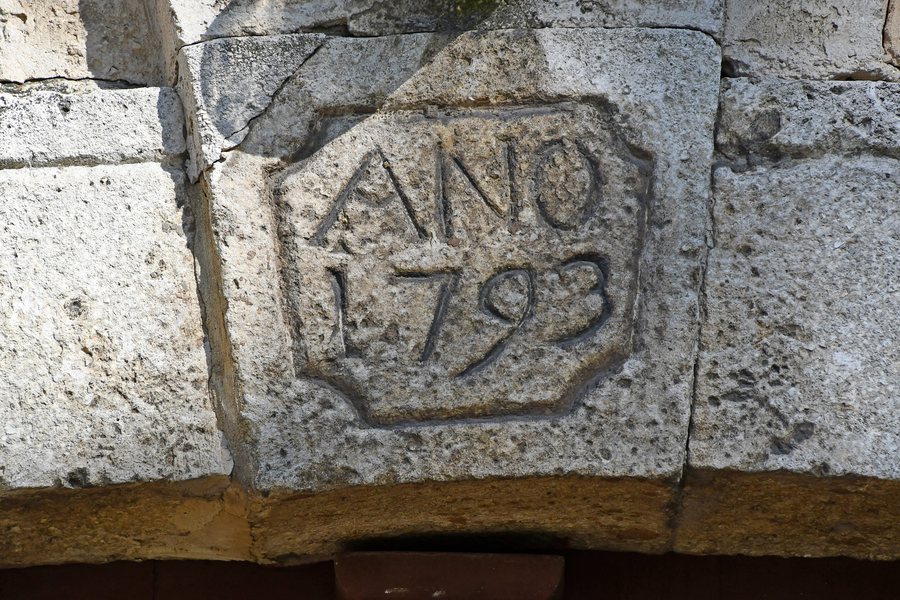
The Szent Anna Church was built between 1787 and 1793 to plans by Mihály Pauly, replacing an earlier church; the costs were covered by Károly Esterházy, Bishop of Eger. The listed building is also an archaeological site. Notable details inside include the Neoclassical high altar in the choir, which ends in a straight wall: Corinthian columns frame the altarpiece, created by János Donát in 1807. It depicts Saint Anne, Joachim and the Christ Child. This church thus offers a way to distinguish its architectural history from a specifically described work of art.
Somogyi-kastély also brings together different phases of construction. The Baroque castle on the main street dates from the 18th century and was remodelled in the Neoclassical style in 1816. The local primary school currently occupies the main building. For orientation, it is therefore helpful to consider the castle and its current use together: the historic building is part of the village’s appearance, while its main building currently serves an educational purpose.
Other religious monuments add their own distinctive features to the village. The listed Baroque statue of Szent Vendel stands in the small square in front of the Reformed Church. The Szentháromság statue adorns the main street; the municipality had it erected in 1914. The nationally listed statue of Nepomuki Szent János stands at the intersection of the main street and the main road. These details help distinguish the statues’ different locations and historical connections.
Which date is important for visitors interested in culture?
The church feast of the Kármelhegyi-Boldogasszony Church is celebrated on 16 July. The church is in Attyapuszta, a part of Pápakovácsi. If you are interested in church traditions, the date is a specific point to consider when planning your trip. The village district and the Szent Anna Church in the village are two different points of reference; the church feast belongs to the church in Attyapuszta.
To compare other village pages, you can also visit Bakonykoppány, Németbánya, Bakonyság, Bakonyszücs, Nagytevel, Pápa, Farkasgyepű and Ganna.
FAQ
Where is Pápakovácsi?
Pápakovácsi lies in the valley of the Séd stream, on the northwestern foothills of the Bakony Mountains, where they meet the Little Hungarian Plain.
How large is the Attyai-láprét nature reserve?
Attyai-láprét covers 14.8 hectares and lies about three kilometres southeast of Pápakovácsi. The marshland has been protected since 1993.
What is known about the Szent Anna Church?
It was built between 1787 and 1793 to plans by Mihály Pauly. Its Neoclassical high altar features an altarpiece created by János Donát in 1807.
When is the church feast in Attyapuszta celebrated?
The church feast of the Kármelhegyi-Boldogasszony Church in Attyapuszta is celebrated on 16 July.
For the broader travel overview: Pápai.

