
Zirc
Accommodation in Zirc
Zirc combines striking architecture and monastic history with an extensive English garden. The railway station and bus station have separate addresses in town; the historical details offer several concrete points of interest for planning a trip.
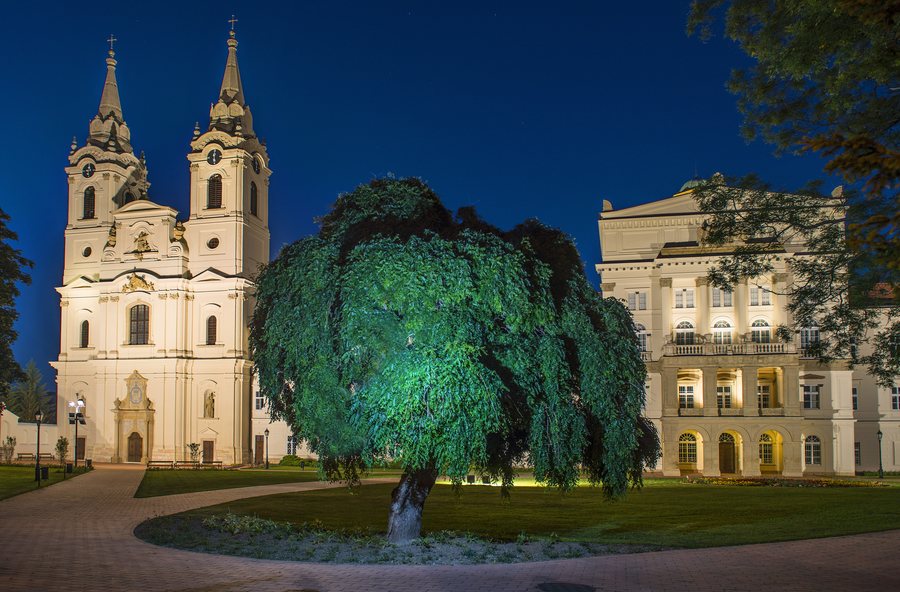
Zirc at a glance
- The railway station is at Vasút utca 6, and the bus station is at Állomás utca 6.
- The Vöröstorony was completed in 1847; its name refers to 146 steps made of red marble and the roof, which was originally covered with copper.
- The Baroque high altar of Zirci Ciszterci Apátság is 17 metres high and is described as Hungary’s largest high altar.
- The English garden covers 38 hold and brings together more than 100 conifer species, as well as 400 species of deciduous trees and shrubs.
What will help you find your way when arriving?
If you are including train and bus travel in your plans, the two addresses are easy to distinguish: the railway station is at Vasút utca 6, and the bus station is at Állomás utca 6. Timetables are not included here; check the relevant connections for your travel dates in advance. The separate details help you identify the right arrival point without confusing the two stations or their addresses.
What architectural and monastic history defines Zirc?
Completed in 1847, the Vöröstorony offers an unusual insight into architectural history: its name refers both to the 146 red-marble steps leading to the rooftop terrace and to the copper roof at the time of its construction. The number and material are therefore integral to the explanation of its name. This means you can appreciate the tower not only by its year of construction, but also by the details of its design.
At Zirci Ciszterci Apátság, the Baroque high altar is another architectural focal point. At 17 metres high, it is described as Hungary’s largest high altar. The Cistercian Memorial Library adds a chapter in the history of collections: its oldest volume is an incunabulum printed in 1470. An exhibition in the former winter garden, once called the orangery, explores the development of the Cistercian Order. This began in the 12th century and lasted 200 years. Zirc thus brings together architecture, an early printed book and the history of the order as distinct cultural themes.
What characterises the English garden?
The English garden covers 38 hold. Its collection includes more than 100 conifer species, as well as 400 species of deciduous trees and shrubs. This makes the garden a distinct topic from the architectural and collection histories of the abbey: here, the focus is on the diversity of trees and shrubs and the size of the grounds. If you are weighing cultural history against gardens for your trip, these details offer two clearly different points of interest. Check local conditions before visiting the garden.
What else does North Balaton have to offer?
The wider destination of North Balaton offers other, distinct experiences. Boat trips are available in the Tapolcai-tavasbarlang, which also has a guided exhibition called “Csodálatos karszt” (“Wonderful Karst”). The cave is part of an underground cave system beneath the town, which has been explored to a length of 14.6 kilometres so far. This complements Zirc’s abbey and garden themes with caves and karst.
Hegyestű also offers a different perspective on the landscape of the wider North Balaton destination. The 337-metre-high mountain lies between Zánka and Monoszló and exposes the interior of a basalt volcano that was active around 8 million years ago. At the viewpoint on the western edge of the quarry, visitors can identify the surrounding hills with the help of a panoramic display. Hegyestű also has a rock garden featuring characteristic rock types from Transdanubia, the western half of Hungary.
Discover more destinations: Olaszfalu, Dudar, Borzavár, Eplény, Pénzesgyőr, Bakonynána, Porva, Bakonybél.
FAQ
Where are the railway station and bus station in Zirc?
The railway station is at Vasút utca 6, and the bus station is at Állomás utca 6. Check timetables separately for your travel dates.
Why is it called the Vöröstorony?
The name refers to the 146 red-marble steps leading to the rooftop terrace and the roof, which was covered with copper when it was built. The tower was completed in 1847.
What is in the Cistercian Memorial Library?
The oldest volume in the collection is an incunabulum printed in 1470.
What does the exhibition in the former winter garden cover?
It shows the development of the Cistercian Order, which began in the 12th century and lasted 200 years.
For the wider travel overview: Zirci.

